CN
CN
09-02
Sep 02
Invitation Letter 丨 Meet you at booth CH63 in Hall 38B at the 2024 Tehran Plastic and Rubber Exhibition in Iran

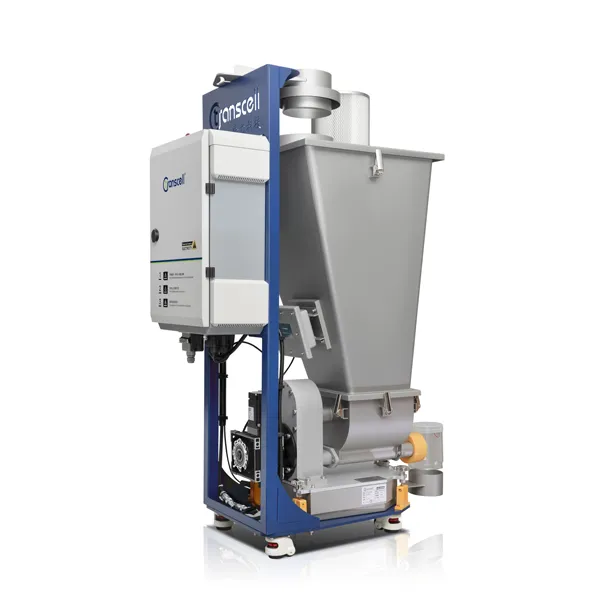
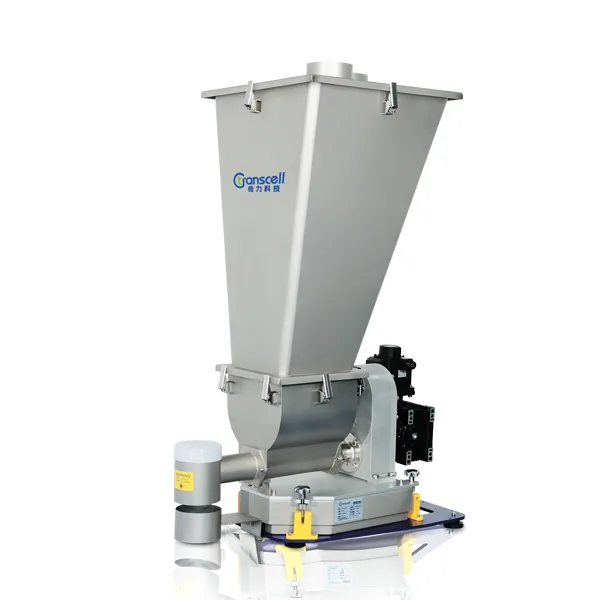
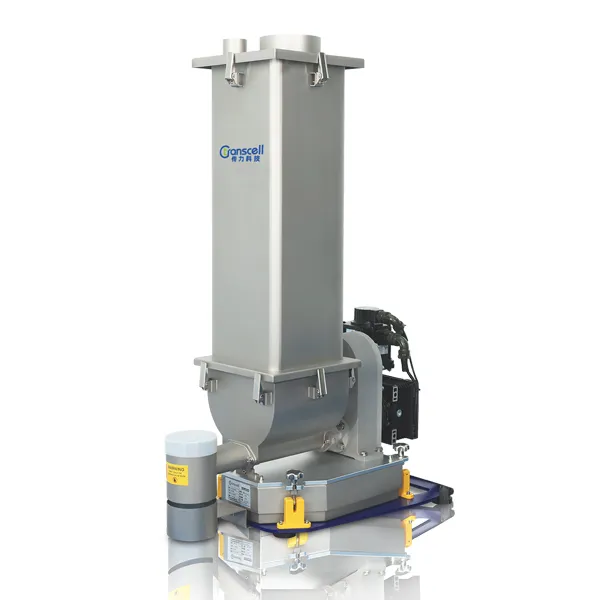
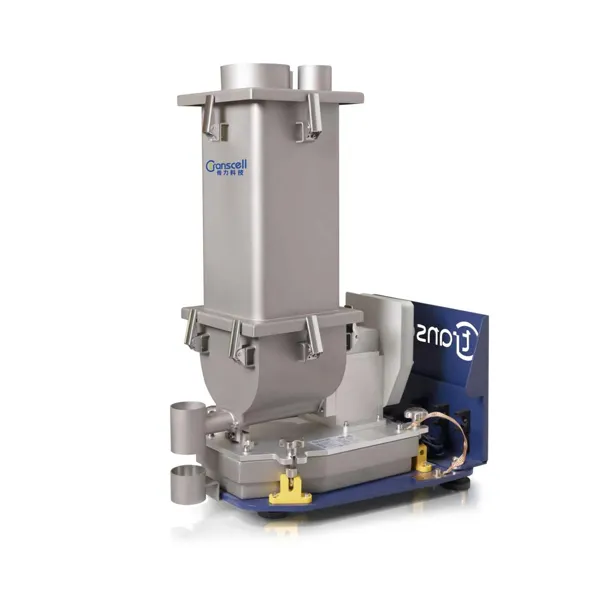
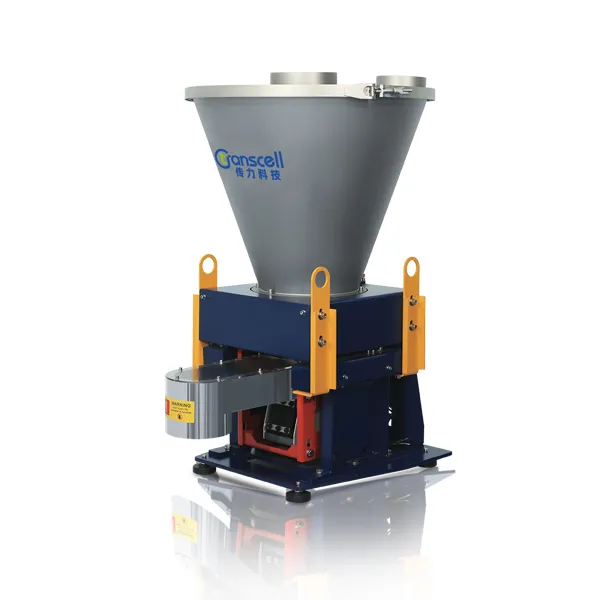
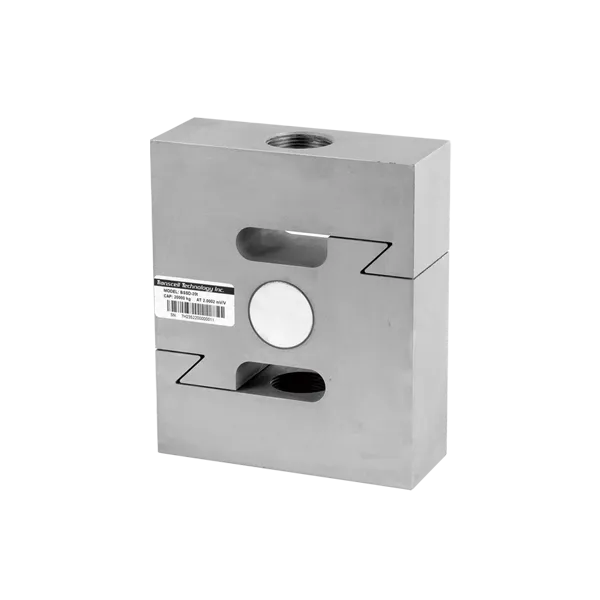
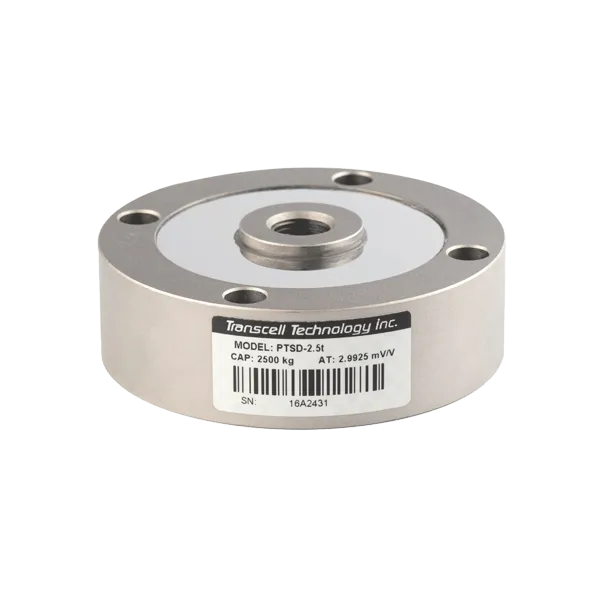
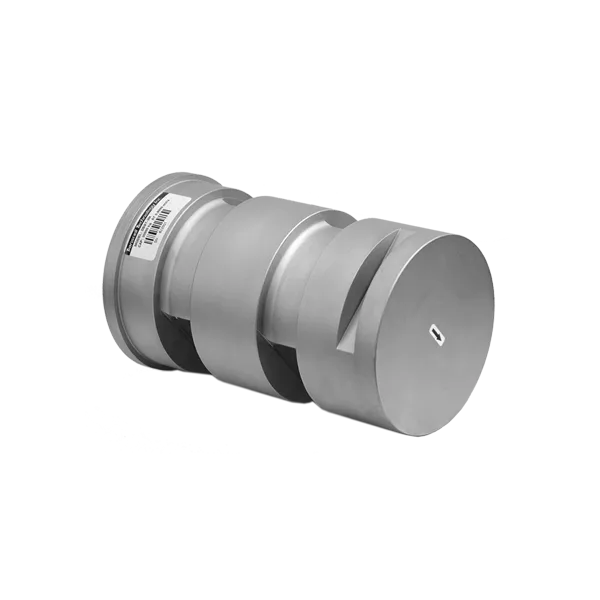
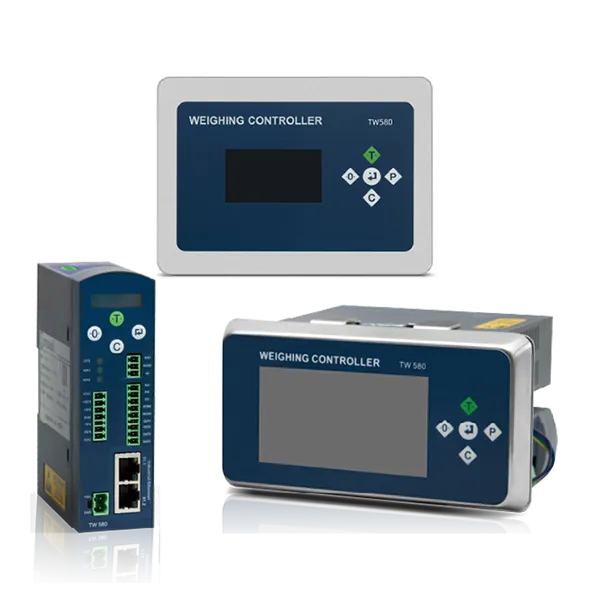
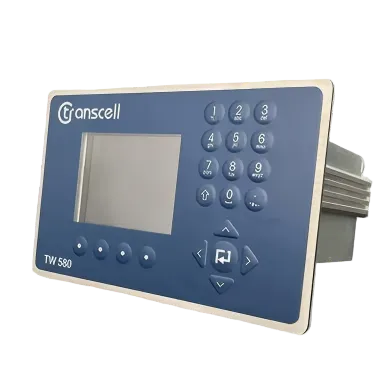
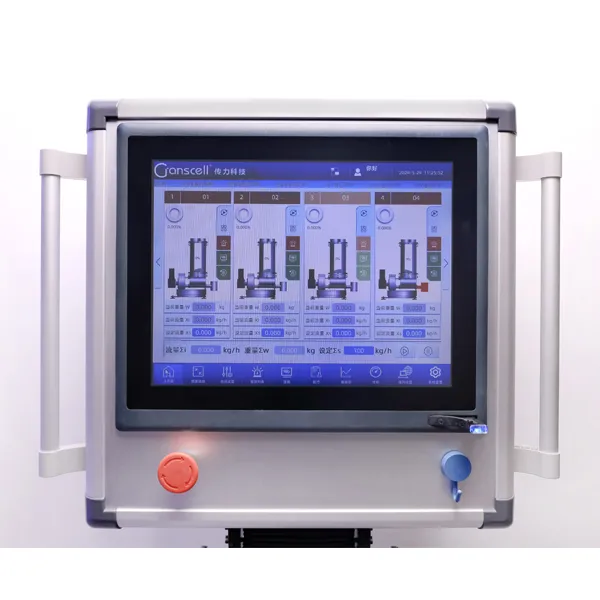
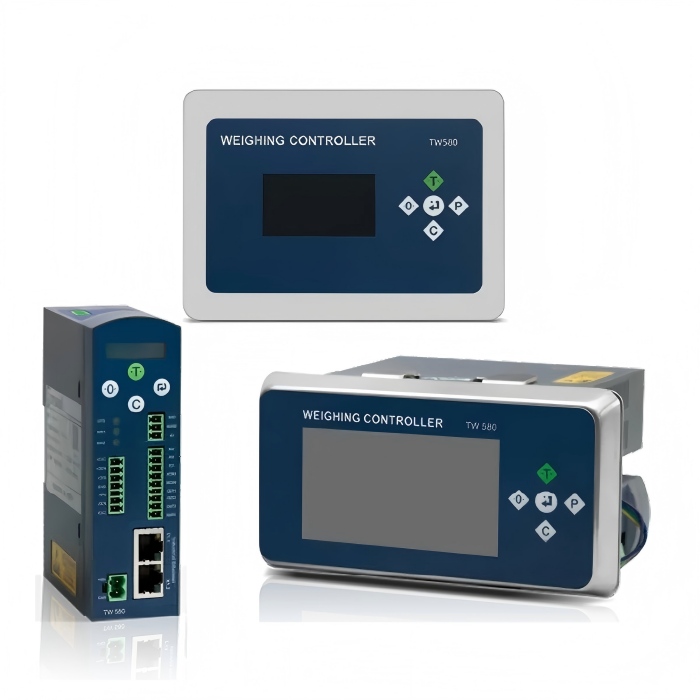
Manual weight adjustments cause batch inconsistencies and hidden losses. An industrial weighing controller automates the process with speed and precision.
A weighing controller processes load cell signals in real time, automates batching, filling, and dosing, and connects to factory networks for traceability. It replaces guesswork with precise closed-loop control.
A load cell signal has little value until a controller interprets it. This article covers key features, typical applications, system integration, and a practical guide for choosing the right controller.
Basic weight indicators leave decisions to operators, which introduces delay and error. A true weighing controller eliminates those risks with built-in intelligence.
The key features are high-speed digital signal filtering, multi-ingredient recipe management, automatic free-fall compensation, and data logging. These turn a scale into a process control instrument.
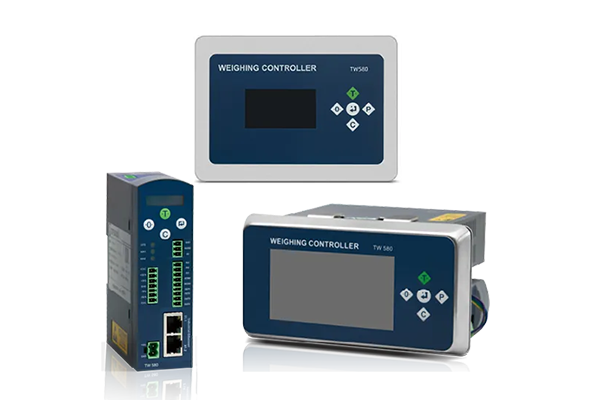
The controller converts the analog load cell signal into a digital weight value. It samples the signal hundreds of times per second. Advanced filters remove mixer vibration noise without slowing response. This stable reading is critical for filling applications that need exact cut-off timing. Automatic zero tracking corrects for material buildup on the scale. Span calibration fixes gain drift over time. For batching, the controller stores recipes with setpoints, tolerances, and sequence steps. The operator picks a recipe and starts the cycle. The controller runs feeders, checks weight, and moves to the next ingredient automatically. Free-fall compensation learns the material in-flight and adjusts the cut-off to prevent overfills. Tolerance alarms catch any ingredient weight outside limits. Every batch has a recorded time-stamped log with actual weights. This data supports quality audits and trend analysis without manual paperwork.
Using the wrong control logic leads to slow cycles, overfills, and material waste. Each application needs specific controller behavior.
Weighing controllers handle batching by sequencing materials with tolerance checks, filling by delivering fast dual-speed cut-off, and dosing by accurately dispensing very small amounts. Each function has dedicated control modes.
| Application | Key Requirement | Controller Function |
|---|---|---|
| Batching | Sequential multi-material addition with tolerance control | Recipe execution, automatic sequencing, tolerance alarms |
| Filling | High-speed fill with accurate cut-off to avoid overfill | Fast A/D conversion, dual-speed feed control, dribble compensation |
| Dosing | Precision small-quantity addition for micro-ingredients | Fine weight resolution, anti-static filtering, vibration immunity |
Batching combines several materials into one vessel. The controller starts the first feeder and watches the live weight. It stops the feeder at the target minus the learned in-flight material and advances to the next ingredient. If any addition misses tolerance, the sequence stops and an alarm warns the operator. This prevents bad batches from progressing. Filling pushes material into containers at high speed. A fast fill runs until the weight nears the setpoint. Then a slow dribble mode finishes the job. The cut-off signal compensates for valve closing time and falling material to avoid giveaway. Dosing adds tiny quantities of additives. Weight changes are small. The controller needs high internal resolution and strong noise rejection. Special filters isolate the real weight change from equipment vibration. Even a few grams off in a pharmaceutical ingredient makes the batch unusable. The controller provides the precision and automatic record keeping that all three applications demand.
A standalone controller creates a data island. Integration with plant systems unlocks full value for monitoring and recipe management.
Weighing controllers offer digital I/O, analog outputs, and fieldbus support such as Profinet, EtherNet/IP, and Modbus TCP. This allows real-time data exchange with PLCs, SCADA, and MES for centralized control and traceability.
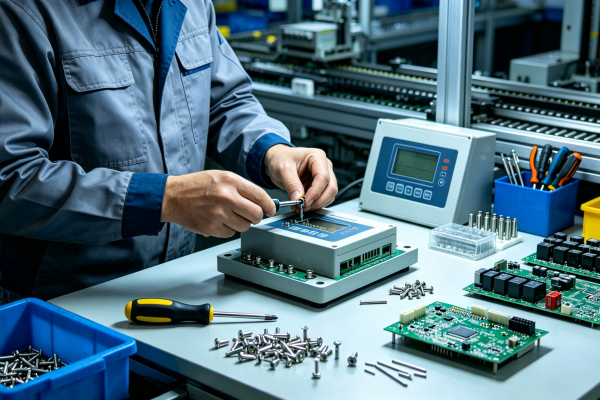
Digital inputs receive start and stop signals from pushbuttons or a PLC. Digital outputs drive feed valves, pumps, and alarms. Output logic can be set to normally open or normally closed for safe state. Analog outputs send the weight as a 4-20 mA signal to chart recorders or external loops. The controller connects to plant networks through serial ports or industrial Ethernet. Modbus TCP, EtherNet/IP, and Profinet are common. The controller acts as a slave. A PLC reads weight, status, and alarms and can also write new setpoints. This two-way link enables recipe changes from a SCADA screen. Transcell Technology provides controllers with native protocol support, avoiding extra converters. After each batch, data transfers automatically to a database or MES. The electronic record captures product name, batch number, weights, and operator ID. Auditors can review the complete history remotely.
Buying on price alone often results in a controller that lacks the speed or I/O the process really needs.
Start by defining the application type, required accuracy, number of scales, and communication protocol. Match the A/D conversion speed, I/O count, recipe memory, and environmental rating to the process. Check for native fieldbus support to simplify future integration.
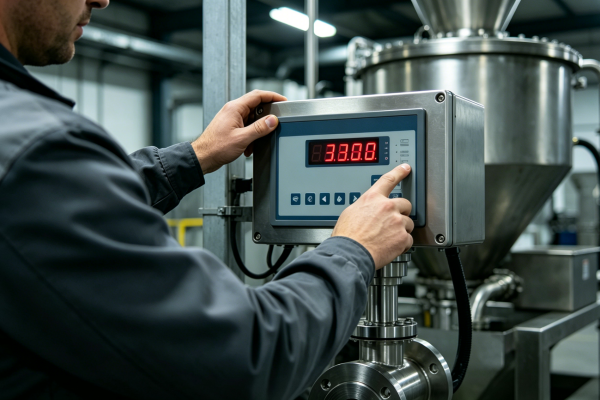
Identify the main function: batching, filling, dosing, or checkweighing. Batching needs sequencing and recipe storage. Filling needs fast conversion and dual-speed control. Dosing needs high resolution and noise filtering. Count the scale channels and I/O points. A multi-hopper system cannot run on a single-scale controller. Include spare I/O for later changes. Check how the controller connects to the plant network. If the plant uses EtherNet/IP, the controller must support it natively. Analog only connections lose diagnostic data. Pick a controller with the right environmental rating for dusty or wet areas. Verify the smallest weight increment the system needs and ensure the controller can resolve it. The controller should add almost no error to the measurement chain. These steps ensure the selected device matches the real process demands and avoids expensive retrofits.
A weighing controller brings speed, precision, and automation to industrial weighing. Match it to the application and network for reliable long-term performance.