Color streaks and weak parts happen fast when additives drift. A loss-in-weight feeder eliminates this by weighing every gram in real time.
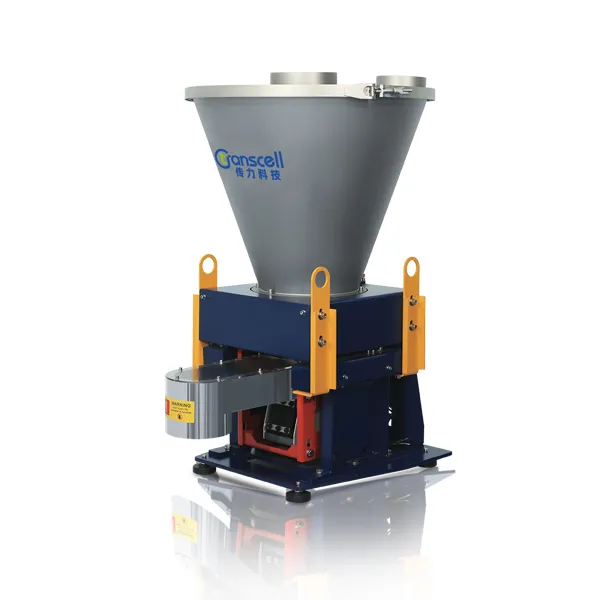
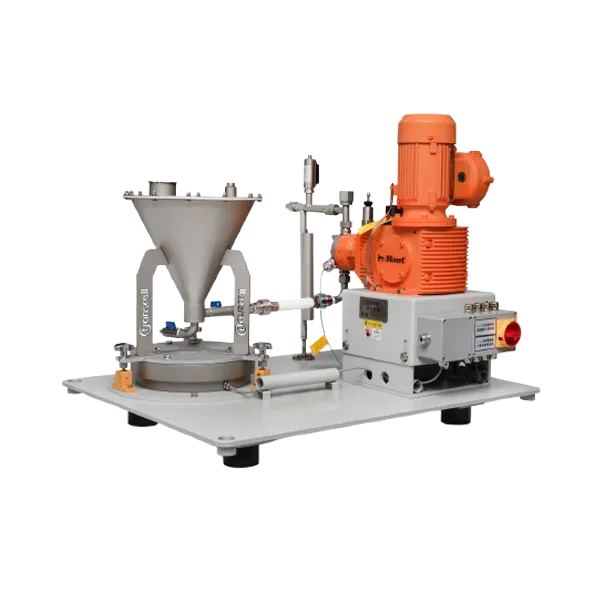
A loss-in-weight feeder uses a load cell to measure mass flow continuously. It adjusts screw speed to hold the set rate, ignoring bulk density shifts. This guarantees stable additive and masterbatch dosing, which is essential for consistent extrusion quality.
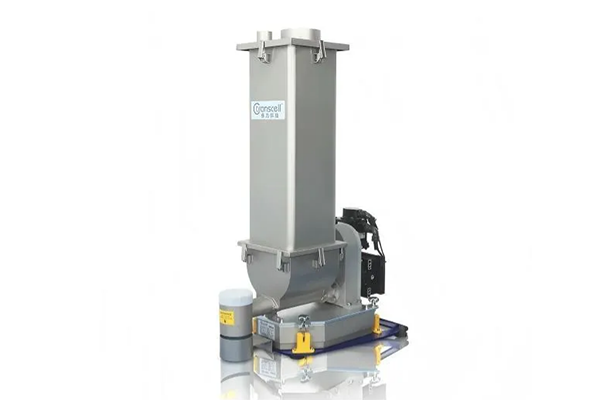
Many processors struggle with dosing errors and wonder why volumetric systems fail. The following sections explain how gravimetric control solves these problems, handles difficult materials, and helps you pick the right feeder.
Why Loss-in-Weight Feeding Matters in Plastic Extrusion (vs. Volumetric Feeding)
Volumetric feeders assume a fixed density. When density changes, they deliver wrong amounts. Loss-in-weight systems catch these errors immediately and fix them.
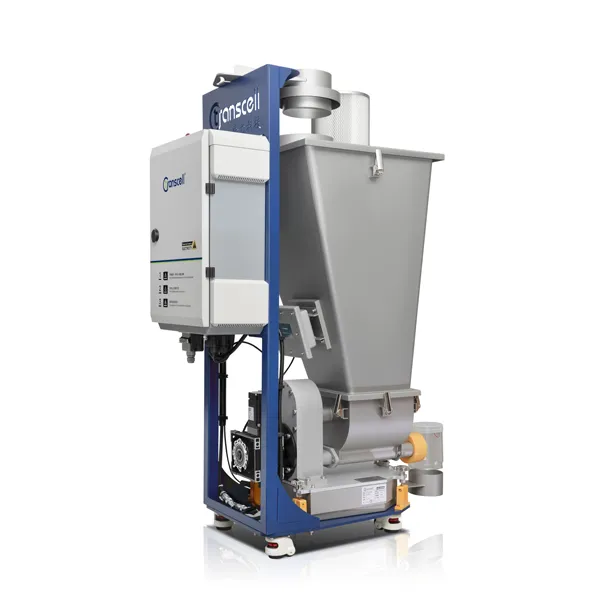
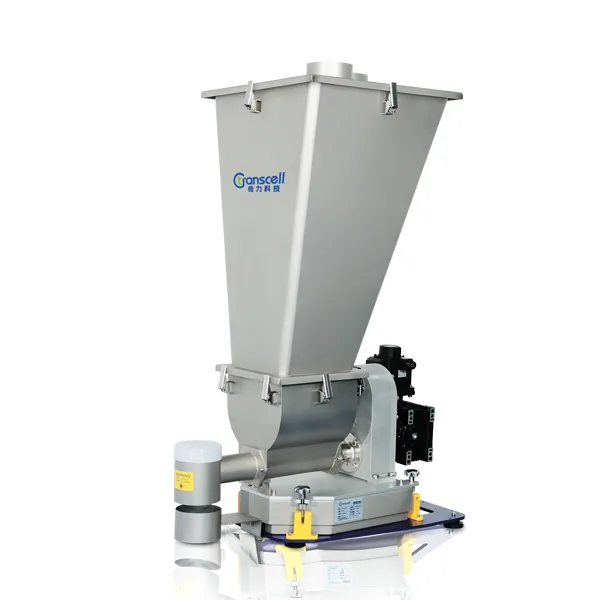
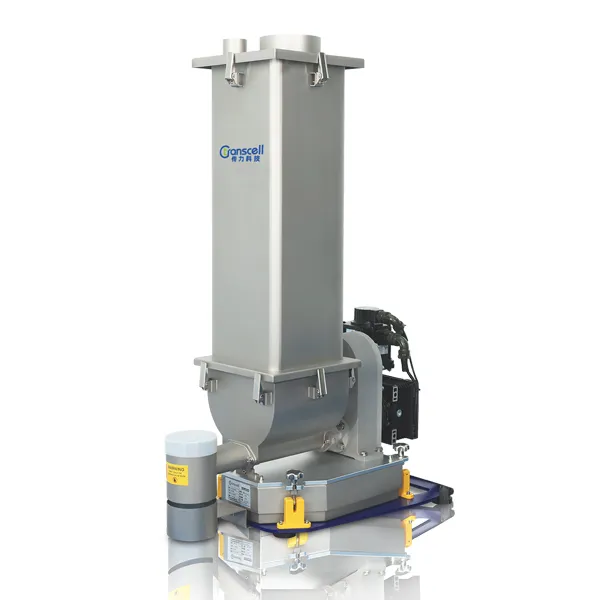
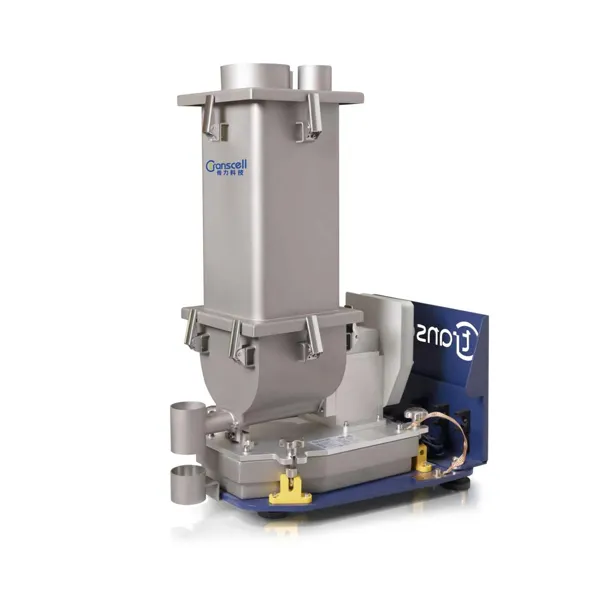
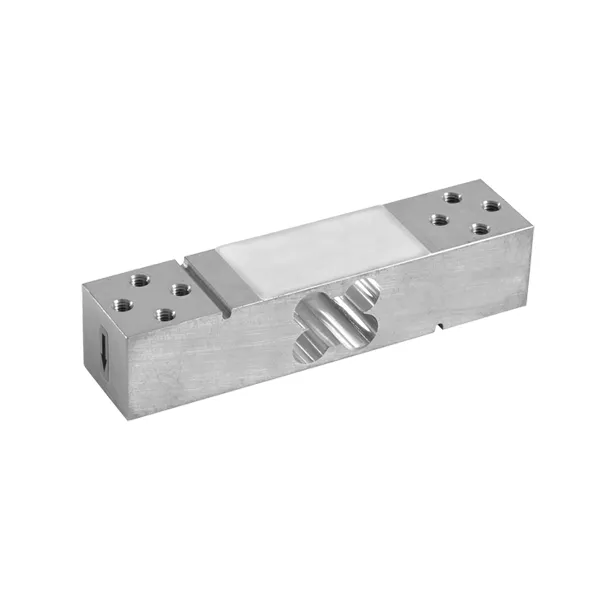
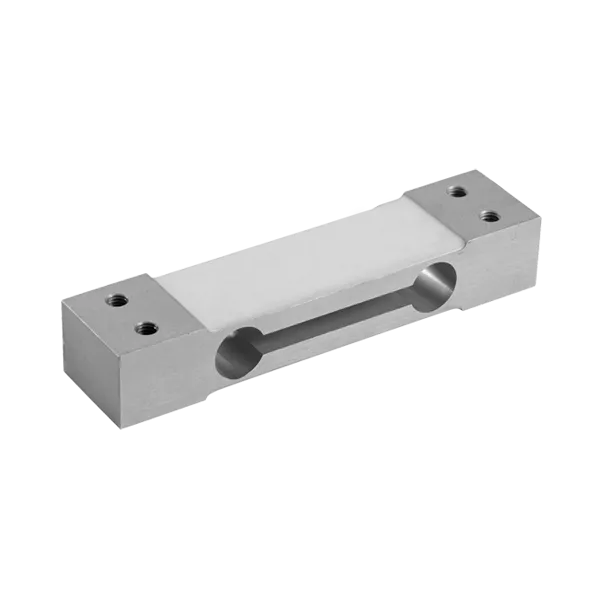
A loss-in-weight feeder weighs the hopper and material as one unit. It calculates weight loss per second to find true mass flow. The controller compares this to the target and changes screw speed. Volumetric feeders lack this feedback and drift over time.
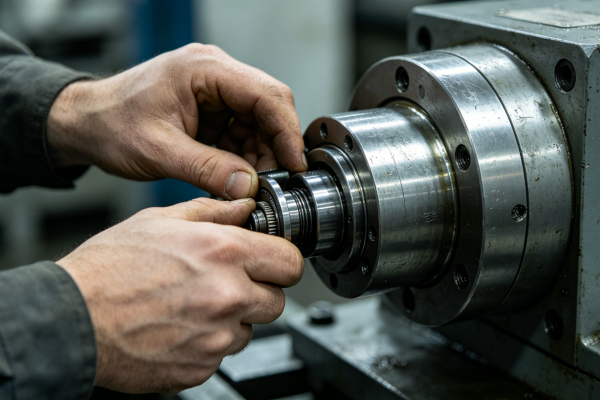
Volumetric feeding relies on trapping a fixed volume and expecting that volume to have a constant mass. In real production, bulk density rarely stays the same. Particle size, moisture content, hopper fill level, and even screw wear change how much material packs into the screw flights. A regrind fluff can weigh half as much as virgin pellets for the same volume. A volumetric feeder will not detect this. It continues spinning at the same speed and delivers the wrong mass. The extruder then sees feed surges or starvations. Color masterbatch letdown ratios go off-target. The result is visible defects and higher scrap.
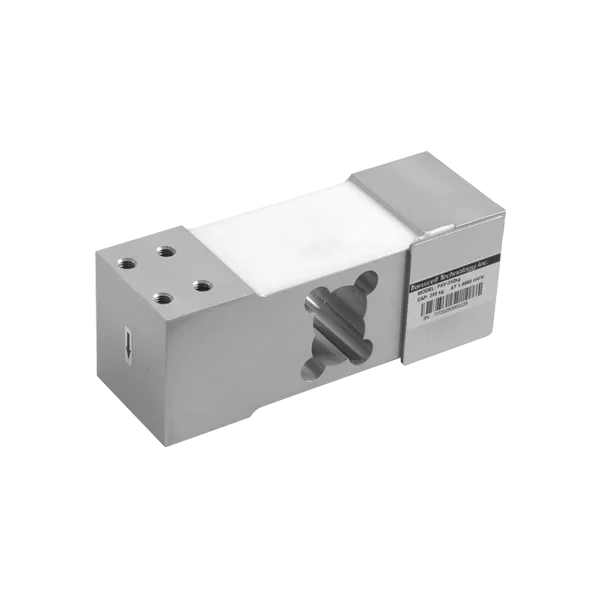
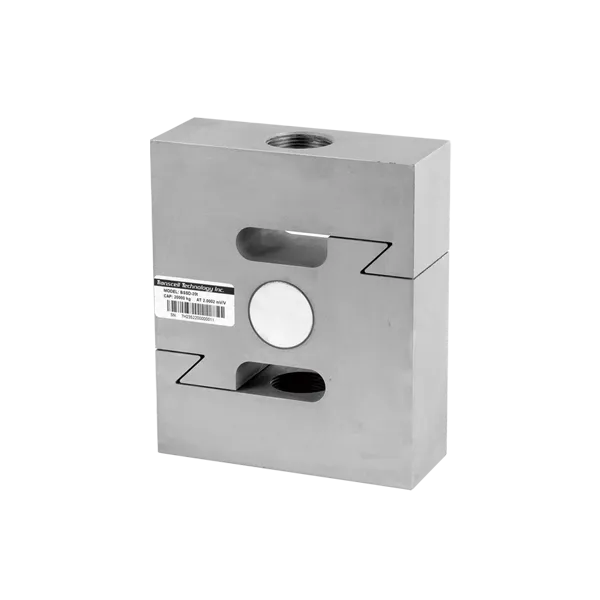
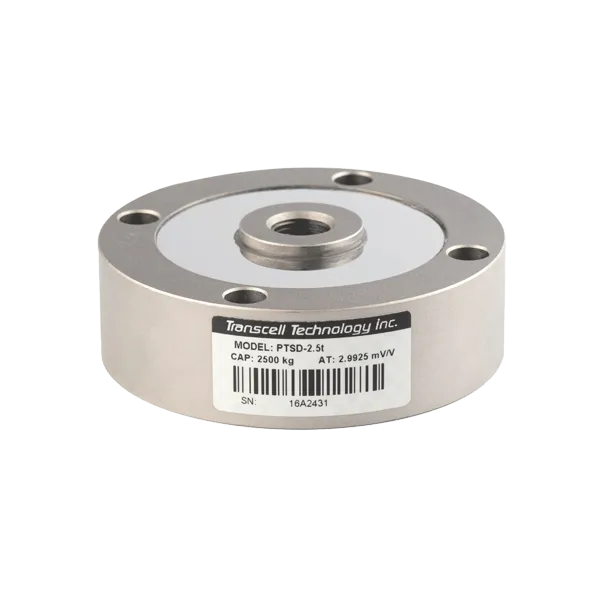
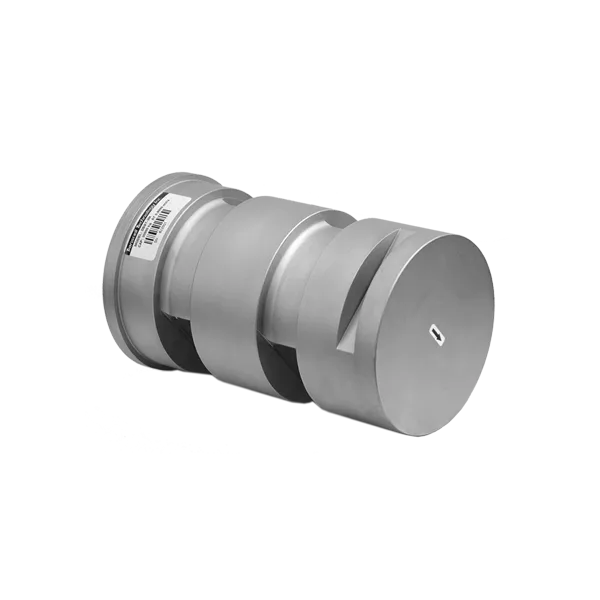
Loss-in-weight feeding changes this completely. The entire feed module sits on a load cell. The controller reads the total weight many times per second. It tracks the weight loss over short time intervals to derive the actual discharge rate. This becomes the measured process variable. The controller then compares it to the operator’s setpoint. Any difference triggers a motor speed adjustment. The loop runs continuously. Bulk density changes no longer matter because the system always knows the real mass leaving the hopper. Even at low additive rates, a well-tuned controller can hold accuracy to ±0.5% or better. This stability directly translates to uniform wall thickness in pipe, consistent color in film, and exact filler loading in compounds. Manufacturing teams report fewer line stops and less wasted raw material after switching from volumetric to gravimetric feeding.
Materials Covered: Additives, Masterbatch, Fillers, and Regrind—Common Feeding Challenges
Sticky additives build up on screws. Powders bridge and block flow. Regrind density swings from batch to batch. Loss-in-weight feeders detect these issues and keep output steady.
Fine additives like UV stabilizers cling to metal. Fillers such as talc flood or bridge. Masterbatch pellets can vary in size. Regrind fluff has no stable density. A loss-in-weight feeder picks the right screw and agitation to move each material while the scale verifies the actual mass delivered.
| Material | Feeding Challenge | Recommended Screw Type |
|---|
| Fine additives (UV stabilizer, slip agents) | Cohesive, sticky, builds up on screw | Twin concave screw with agitator |
| Masterbatch pellets | Minor size variation, low feed rate | Single screw with fine pitch |
| Fillers (CaCO3, talc) | Floodable, bridges in hopper | Twin screw with reduced discharge pitch and bridge breaker |
| Regrind | Unstable bulk density | Single screw with flexible hopper agitation |
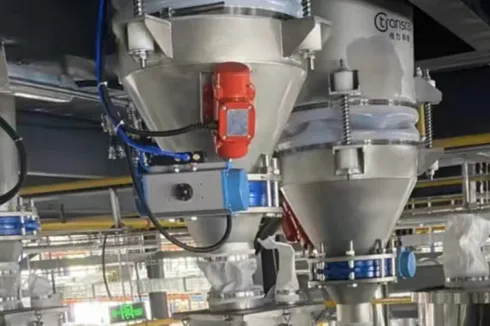
Each material group demands a specific mechanical approach. Cohesive additives tend to pack into screw roots and reduce effective volume over time. A twin concave screw self-wipes and prevents this accumulation. The hopper on such a feeder often includes a gentle agitator that breaks any loose bridges without compacting the powder. Fillers present the opposite problem. They can fluidize and rush through the screw, causing overfeeding. A twin screw with a decreasing pitch toward the discharge controls this flooding tendency. For materials that form strong bridges, an active bridge breaker in the hopper is necessary. It rotates to keep the powder moving into the screw without pulsing. Masterbatch pellets are less demanding, but their small size and low feed rates require a screw with fine pitch and excellent speed control at the bottom of the range. Regrind remains the most variable material. Its bulk density can change by a factor of two between batches. A single screw with an oversized hopper and slow-turning flexible agitation handles the material gently. The loss-in-weight controller then compensates automatically for the density shift, which no screw alone could do. This combination of correct screw design and gravimetric feedback allows the feeder to run all four material types accurately. Production lines that process multiple formulations benefit from modular feeder designs that allow quick screw changes.
How Closed-Loop Gravimetric Control Ensures Precise and Stable Dosing
Without feedback, a feeder has no way to correct drift. Material sticking or hopper level changes silently ruin accuracy. Closed-loop gravimetric control measures weight loss and responds instantly.
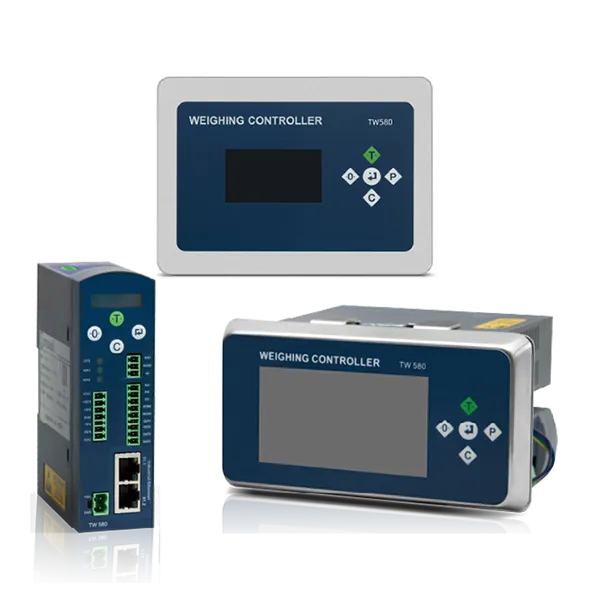
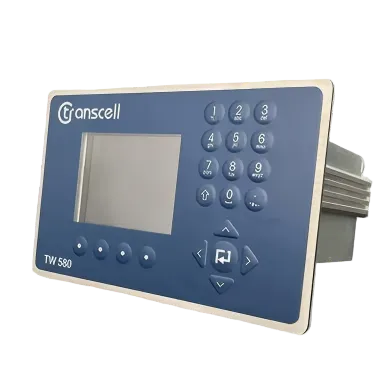
A load cell under the hopper transmits weight data to a dedicated controller. The controller computes the true mass flow and compares it to the setpoint. It then adjusts motor speed to cancel any error. This closed loop keeps dosing stable even as material behavior changes.
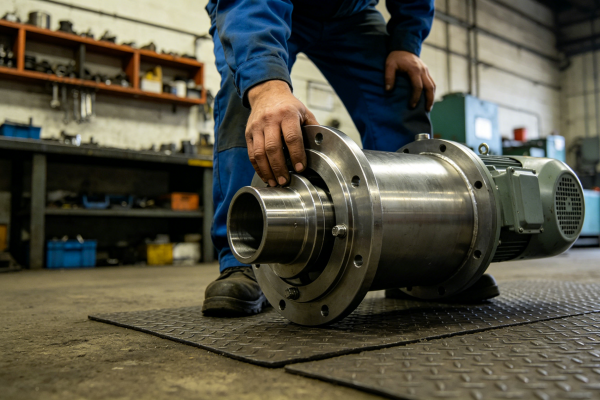
The controller performs the core work of the loss-in-weight system. It samples the load cell signal many times per second, typically at rates between 20 Hz and 100 Hz. Mechanical vibration from nearby extruders and mixers would corrupt the weight signal without proper filtering. Advanced controllers use digital filters that strip out the noise while keeping the real weight trend. The cleaned signal shows the actual rate of weight decrease. This measured mass flow becomes the feedback signal.
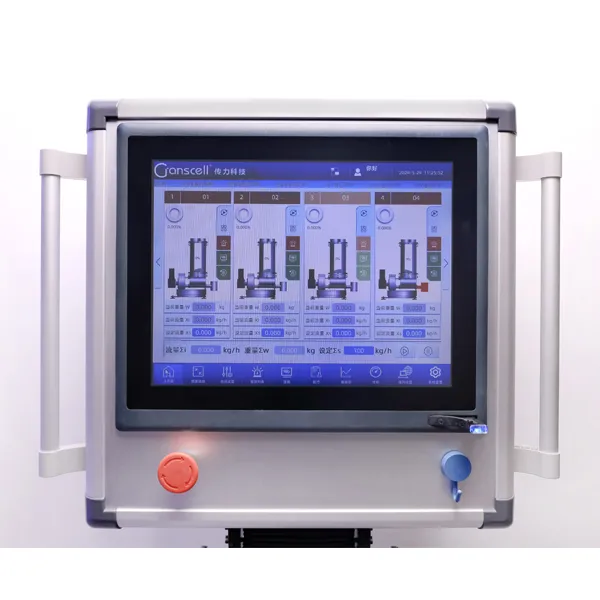
The controller continuously calculates the error between the measured flow and the target setpoint entered by the operator. It then sends a corrective signal to the motor drive. If the flow is too low, motor speed increases. If too high, it decreases. This adjustment cycle repeats continuously. A well-tuned system can hold the feed rate within a narrow band, often ±0.25% to ±0.5% of setpoint. The loop also manages the refill phase seamlessly. When the hopper weight drops to a set low limit, a refill valve opens and material enters. The weight rises sharply. During this brief period, the controller switches from gravimetric to a stored volumetric mode to avoid false corrections. As soon as the refill ends and the weight stabilizes, gravimetric control resumes without any bump in output. This intelligent handoff keeps the extruder fed evenly at all times. The stability of the dosing directly reflects in the final product. Wall thickness in pipe extrusion stays consistent. Color distribution in masterbatch applications remains uniform. Film thickness does not wander. The ability to maintain such tight control reduces off-spec material and raises overall equipment effectiveness.
How to Select a Loss-in-Weight Feeder for Extrusion: Throughput Range, Accuracy, and Screw Type
Selecting the wrong feeder leads to blockages or poor accuracy. A clear look at throughput, material traits, and control integration prevents these problems from the start.
Start by defining your required throughput in kg/h and the accuracy target. Choose the screw type based on material flow properties. Check the turndown ratio to cover all operating conditions. Confirm that the controller can communicate with the extruder PLC for synchronized operation.
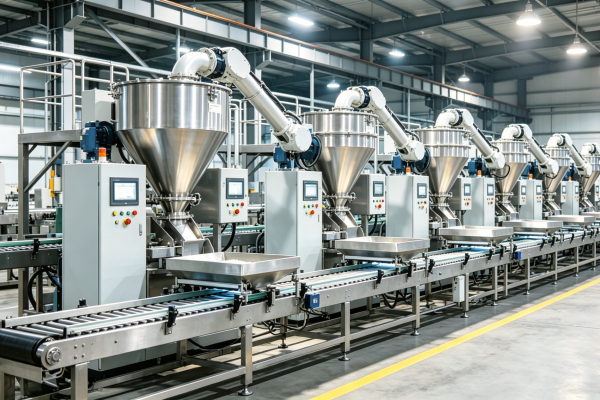
Throughput range is the first filter. Feeders are sized for specific minimum and maximum capacities. A feeder for additives running at 2 kg/h will not suit a filler line at 200 kg/h. The turndown ratio defines the usable span. A 10:1 turndown on a 100 kg/h feeder means stable operation from 10 to 100 kg/h. Running below the minimum stable rate leads to poor accuracy and potential screw starvation. Accuracy needs depend on the additive. High-value color masterbatch often requires ±0.5% or tighter. Fillers may accept ±1%. The selected feeder must deliver this performance over the entire production range, not just at the maximum rate. Material properties directly determine the screw and hopper design. Free-flowing pellets call for a single screw. Cohesive powders need a self-wiping twin concave screw. Floodable fillers demand a twin screw with a compression zone. The hopper must include the right agitation device for materials that bridge. The control system must integrate into the broader extrusion line. The feeder controller should offer standard communication protocols such as analog 4-20 mA, Profibus, or Ethernet/IP. This allows the extruder PLC to send recipe setpoints and receive alarms automatically. It also enables precise ratio control where the feeder follows the extruder screw speed in real time. Many manufacturers now offer modular platforms that let you change screws and hoppers for different materials. This flexibility protects the investment as production needs change. A thorough evaluation of these five factors—throughput, accuracy, material, screw type, and control integration—leads to a feeder selection that runs reliably and maintains product quality.
Conclusion
Loss-in-weight feeding solves additive dosing drift in extrusion. The right feeder, screw, and closed-loop control deliver stable accuracy, cut scrap, and keep product quality consistent.
 CN
CN