Inaccurate weight data leads to material waste, batch rejects, and downtime. Load cells provide the precision that eliminates these hidden losses.
A load cell is a force transducer converting mechanical load into an electrical signal. It provides continuous, high-resolution weight data for real-time process control, quality verification, and batch traceability in industrial applications.
Production lines using outdated mechanical scales face drift, manual calibration, and no data integration. Load cells solve these problems with verifiable accuracy updated every second. This article covers how load cells work, why they are the backbone of industrial weighing, what makes them better than alternatives, and how to select the right one.
How Does a Load Cell Work?
Small sensor errors multiply into large material imbalances. Understanding the working principle shows how load cells stop this cascade.
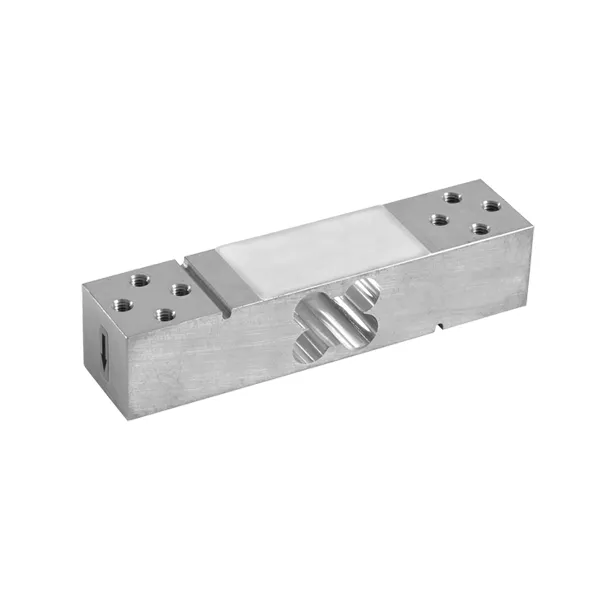
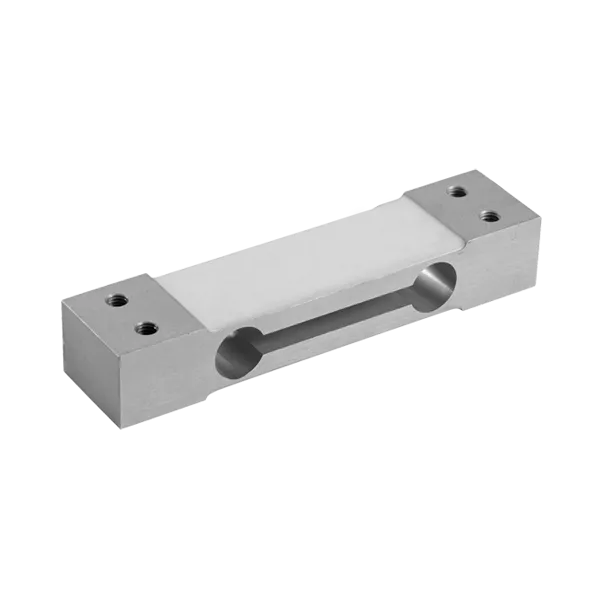
In modern load cell technology, a load cell uses a metal spring element with bonded strain gauges. Applied force deforms the element. Strain gauges convert deformation into resistance change. A Wheatstone bridge turns this into a millivolt signal proportional to weight.
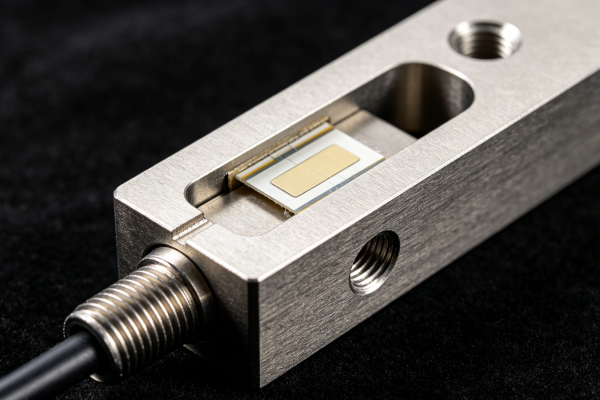
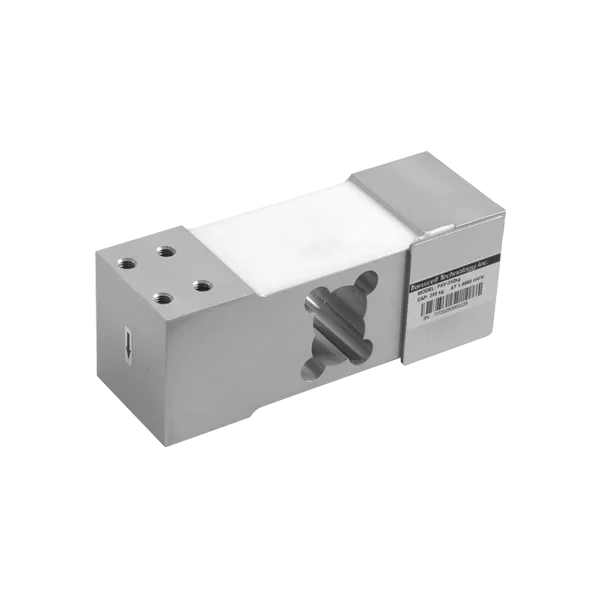
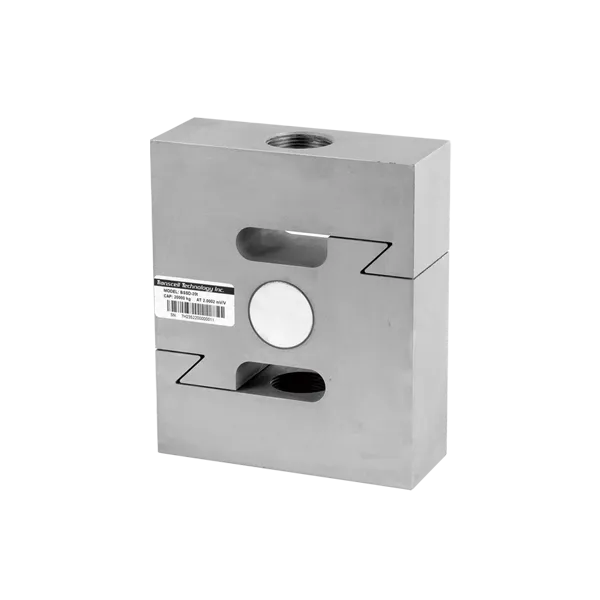
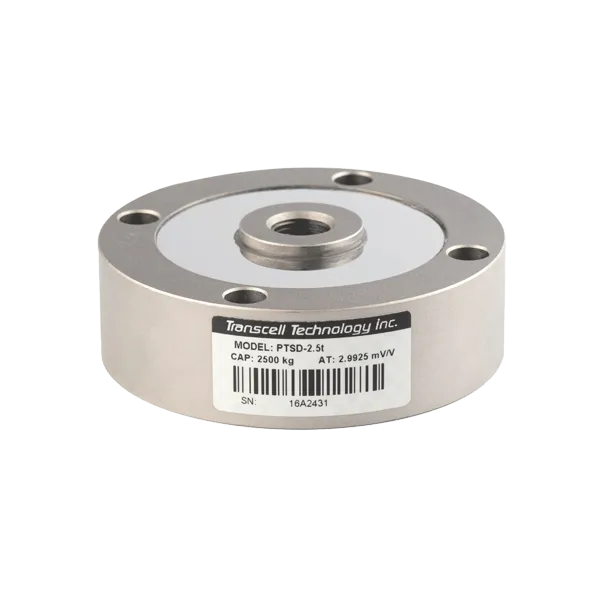
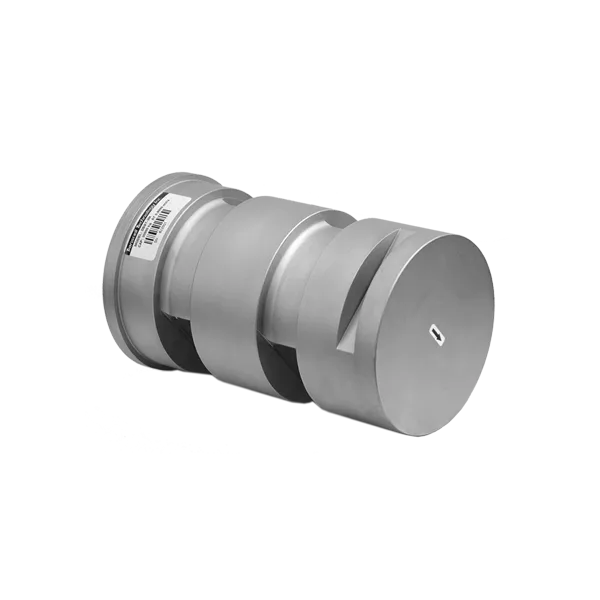
The load cell body is machined from alloy or stainless steel with precise geometries creating a defined strain field. Common shapes include shear beam, single-point, and canister types. Under load, the metal deforms within its elastic range and must return exactly to original shape afterward. Permanent deformation ruins calibration. Material selection matters: tool steel handles high capacity, stainless steel resists corrosion, aluminum suits lower capacities cost-effectively. Strain gauges are thin metallic foil patterns bonded to the body. Metal stretching increases foil resistance. Compression decreases it. Four gauges form a Wheatstone bridge: two in tension, two in compression. This cancels temperature effects and doubles output. The bridge generates a small electrical signal proportional to the applied force. Modern electronics amplify, filter, and digitize this signal into engineering units. Calibration maps electrical output to kilograms or pounds using certified reference weights. Multi-point calibration checks linearity across the weighing range. Gravity compensation adjusts for location differences. Regular recalibration maintains traceable accuracy across the weighing system to national standards. This closed-loop sensing principle ensures every weight reading reflects the true load, not environmental drift.
Why Do We Use a Load Cell?
Without accurate weight measurement, process control becomes guesswork rather than engineering discipline.
Load cells are used because they deliver real-time weight data with proven accuracy, enable closed-loop control, and provide documentation for regulatory compliance across chemical, pharmaceutical, and food industries.
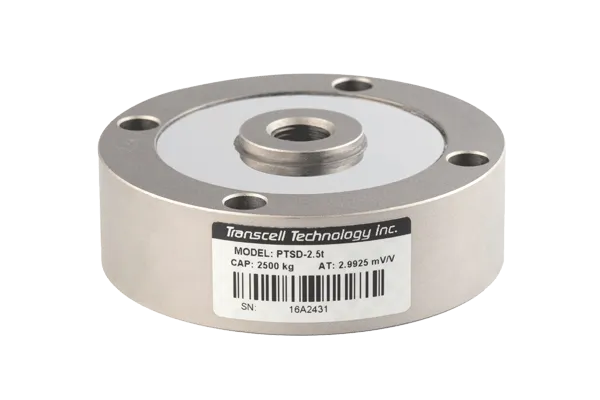
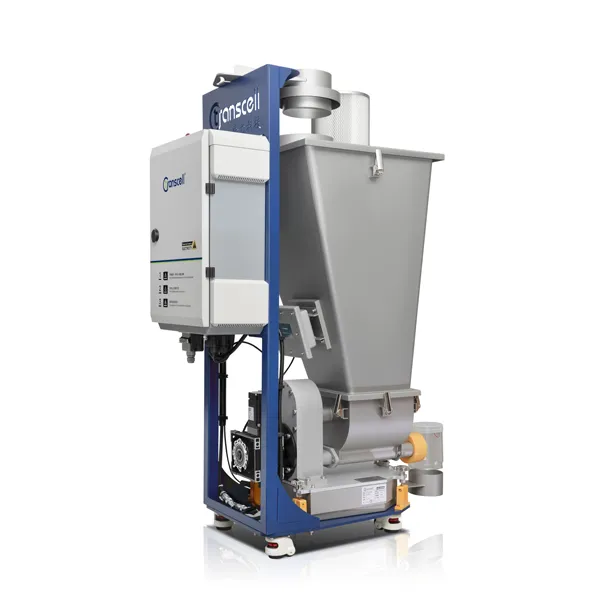
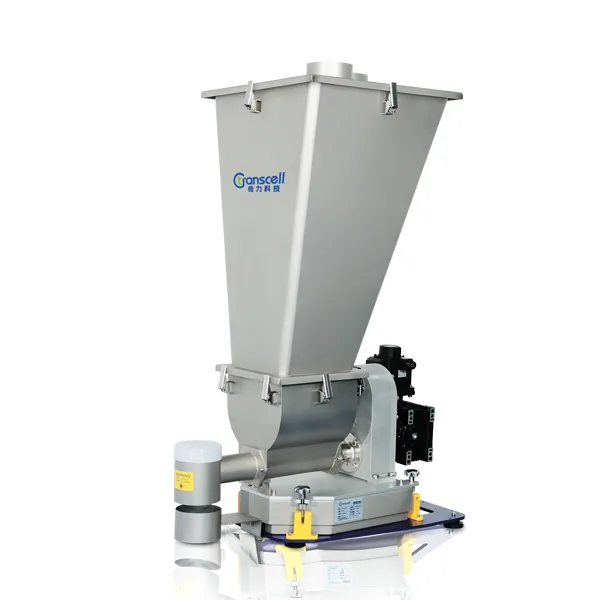
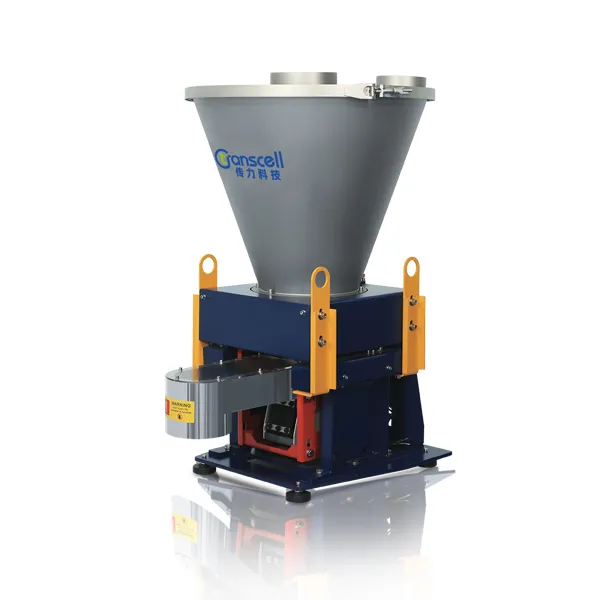
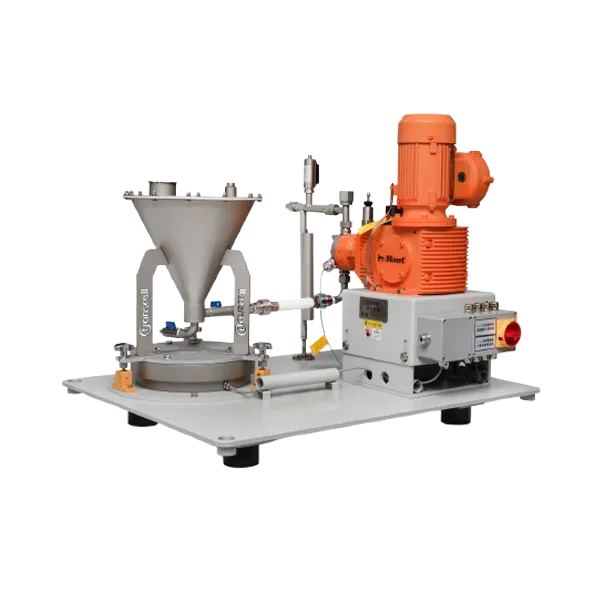
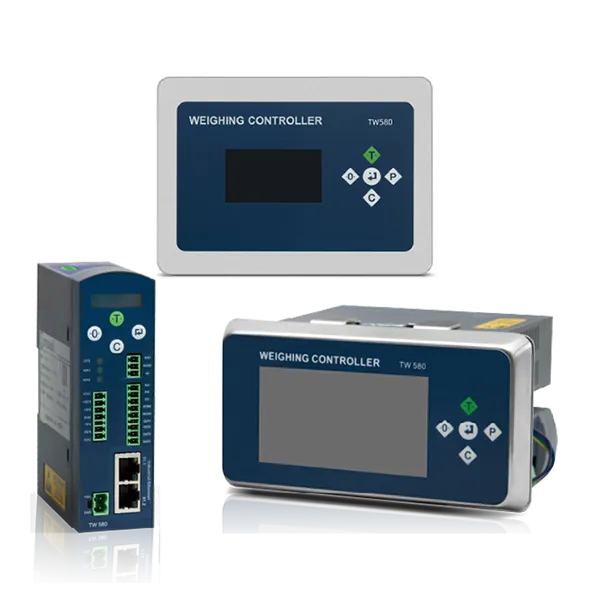
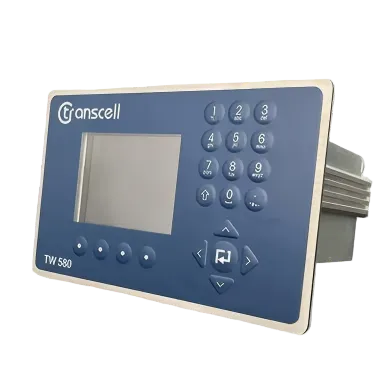
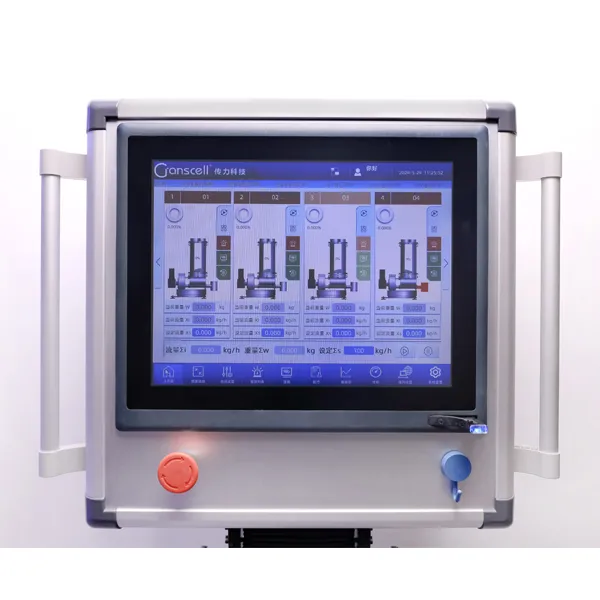
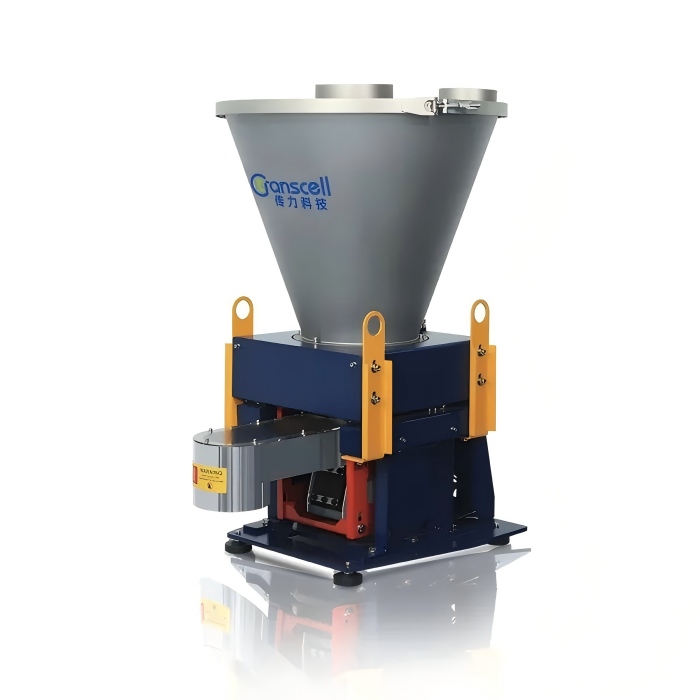
Weight-based process control ensures consistent material ratios. A weigh hopper load cell under a mixing vessel measures exact ingredient amounts. The controller stops feed at target weight. This gravimetric batching ignores density changes, making it more reliable than volumetric methods. Loss-in-weight feeders use load cells to track weight reduction over time, with feed rate calculated as the weight derivative. Belt scales with load cell bridges measure material load on belt sections for continuous mass flow calculation. These strategies depend entirely on signal integrity. For regulatory compliance, load cell systems record time-stamped weight readings, creating electronic batch records. Auditors verify each addition matched the formula. Food production ensures nutritional label accuracy. Pharmaceutical active ingredient weighing errors can make drugs ineffective or dangerous. Load cell data supports batch release documentation. Transcell Technology weighing controller products offer data logging and networking features integrating with plant information systems. Load cells are built for industrial environments. Hermetically sealed units survive washdown areas. Lightning-protected cells work outdoors. Compact size fits existing machinery. Standard outputs connect to PLCs and indicators, enabling retrofitting of older equipment. The durability and integration capabilities reduce both maintenance burden and operator error.
Why Are Load Cells Better?
Choosing between load cells, mechanical scales, or volumetric meters directly affects product quality and operating cost.
Load cells are better because they offer higher accuracy, faster response, and direct electrical output for automation. Mechanical alternatives lack the speed and data connectivity.
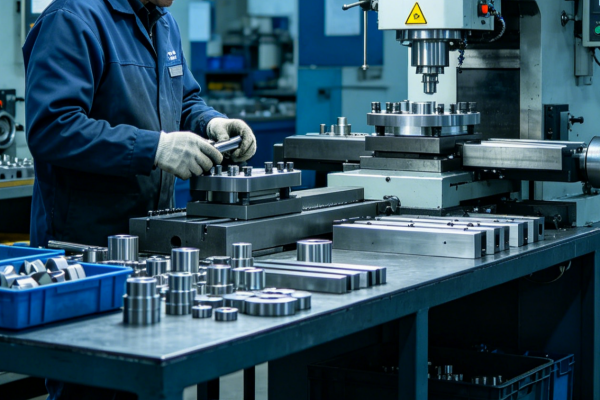
Mechanical scales use levers, springs, and dashpots. Friction at pivots causes hysteresis. The needle lags behind load changes. Recording weight requires manual reading and transcription, introducing human error. Automation with mechanical systems is not possible natively. Load cells eliminate these wear points. The electrical output feeds directly into control and recording systems. Accuracy is far superior, often achieving a fraction of a percent of full scale, while mechanical scales typically operate with much wider tolerance bands. Response time drops from seconds to milliseconds, enabling dynamic process adjustments. Data output moves from none to standard industrial signals, enabling direct integration with PLC, SCADA, and MES systems without additional converters. Volumetric feeders present another comparison point. They assume constant material density. Bulk density actually changes with particle size, moisture, and aeration. The meter reports the same volume when actual mass differs noticeably. For chemical reactions, this means wrong ingredient proportions. Load cell gravimetric systems measure mass directly. Density changes do not affect readings. Raw material savings from eliminating volume-to-mass errors quickly justify the investment. Digital load cells contain onboard electronics, converting the signal to a noise-immune digital stream right at the sensor. They store calibration internally, enabling automatic recognition when replaced. This reduces maintenance time and prevents setup mistakes. The diagnostic capabilities also allow predictive maintenance planning.
How to Choose the Right Load Cell for Industrial Weighing?
Selecting a load cell for weighing machine by capacity and price alone often leads to early failure. Proper specification prevents service calls and production losses.
Select based on five parameters: rated capacity, accuracy class, environmental protection rating, mounting configuration, and output signal type. Apply a dynamic load factor. Verify certifications for the intended use.
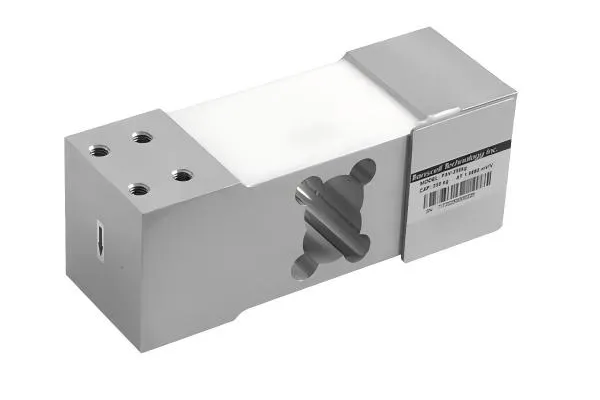
Calculate the maximum live load plus dead load from vessel and mounting hardware. Apply a dynamic factor to account for impact, vibration, and torque during filling or mixing. The rated capacity must comfortably exceed this calculated maximum, leaving headroom to avoid operating at the extreme limit. Running below full capacity extends cell life. Built-in overload protection prevents mechanical damage from accidental force spikes. Accuracy class follows international standards. The number of divisions indicates the resolution the cell can provide. Legal-for-trade applications require certified cells meeting strict metrology requirements. Process weighing can often use a slightly lower classification, but the combined error must remain within process tolerance. Match the specification to the smallest weight increment the application demands. Over-specifying adds unnecessary cost. IP rating defines environmental protection. Choose a rating that matches exposure to dust, moisture, and washdown. Stainless steel construction and hermetic sealing protect against corrosion and ingress. Temperature compensation keeps readings stable across the operating range. Outdoor and harsh environment installations need wide-range compensation. Hazardous areas require intrinsically safe or explosion-proof certifications recognized by local regulations. Mounting hardware must ensure the load vector passes straight through the cell. Self-aligning assemblies prevent eccentric loading and side forces. Compression cells suit tanks and hoppers. Tension cells fit suspended vessels. Beam cells work in belt scales. Follow manufacturer torque specifications and alignment procedures strictly. For outputs, analog signals are standard and work well over short, properly shielded cable runs. Digital outputs improve noise immunity over long distances and simplify multi-cell networks. Choose the communication protocol that matches the existing plant automation system. Transcell Technology provides controllers compatible with major industrial networks, streamlining integration.
Conclusion
Load cells convert mechanical force into precise digital data. Correct selection and installation deliver the accuracy, reliability, and connectivity modern production demands.
 CN
CN