The wrong feeder choice causes material waste, inconsistent product quality, and production downtime. Loss-in-weight technology solves these problems with unmatched precision.
A loss-in-weight feeder is a gravimetric dispensing system that measures the weight loss of the entire hopper and material over time to control discharge rate, achieving superior accuracy regardless of material density changes.
Many processing lines still rely on volumetric feeders that guess the flow based on screw speed. Real material behavior is different. Bulk density shifts, bridging, and inconsistent fill levels make volumetric feeding unreliable. Modern production demands better. Accurate feeding affects final blend ratios, coating uniformity, and chemical reactions. Without gravimetric control, quality drifts and raw material costs climb. The following sections explain the core working principle, the real-world benefits, and a practical selection framework.
What Is a Loss-in-Weight Feeder?
Inconsistent feed rates ruin batch after batch, but operators often discover the issue only after sampling. A loss-in-weight feeder stops this hidden drift from the start.
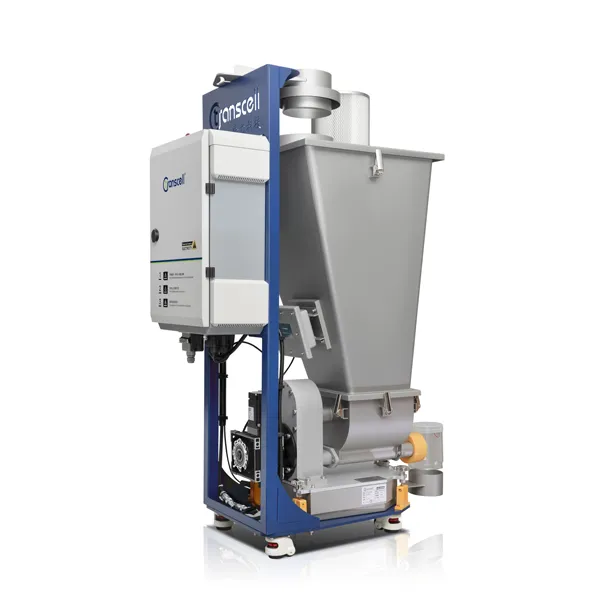
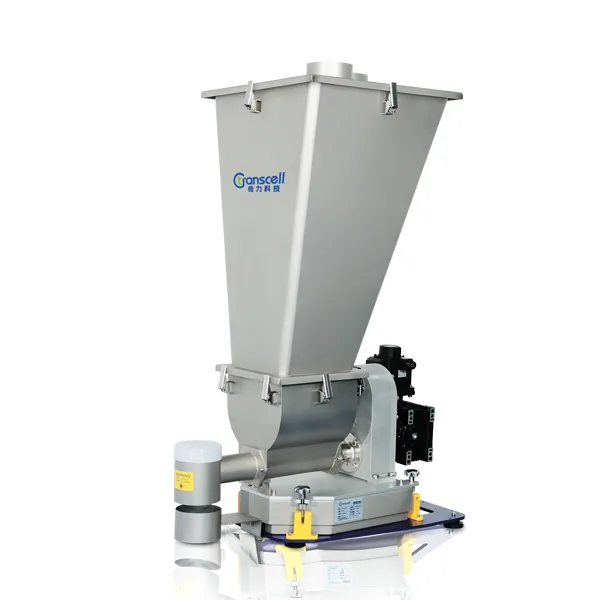
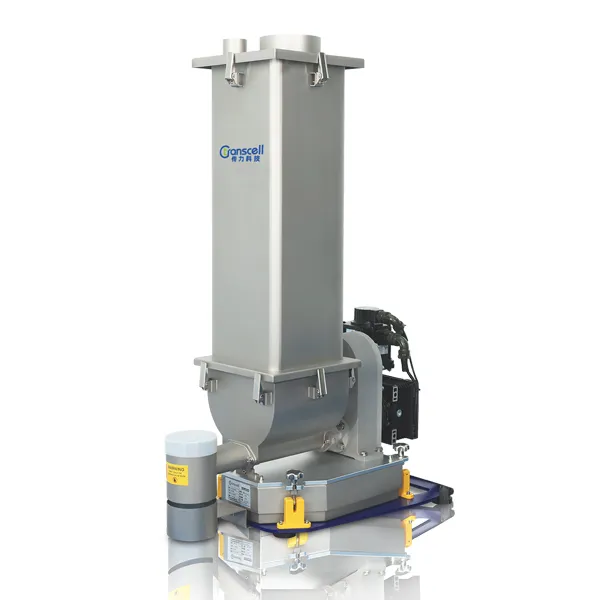
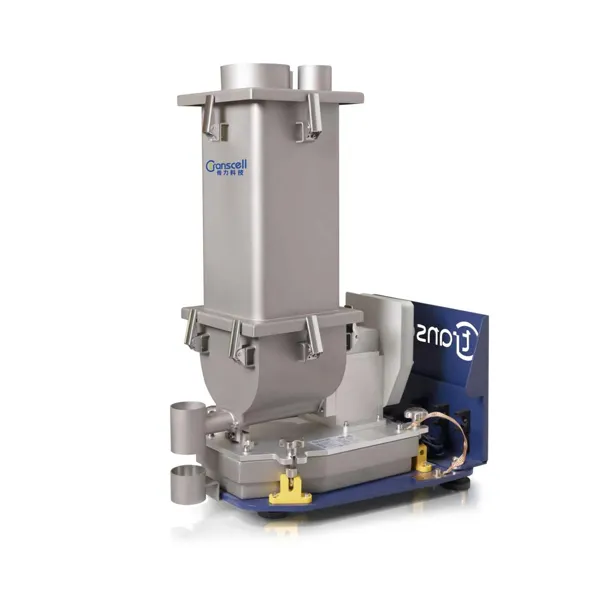
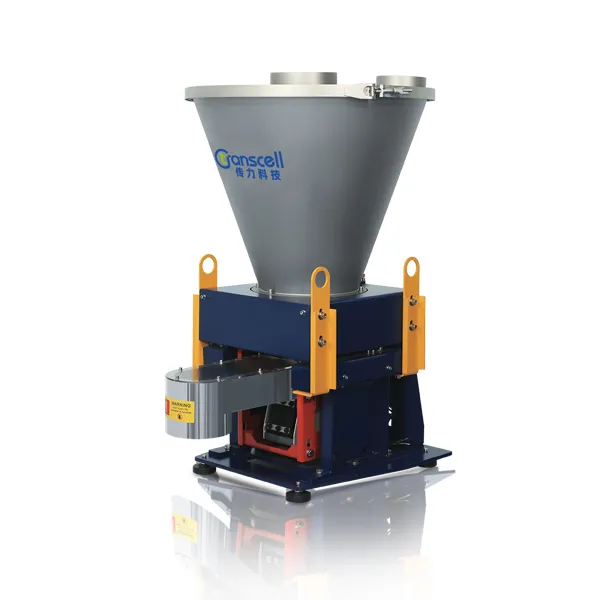
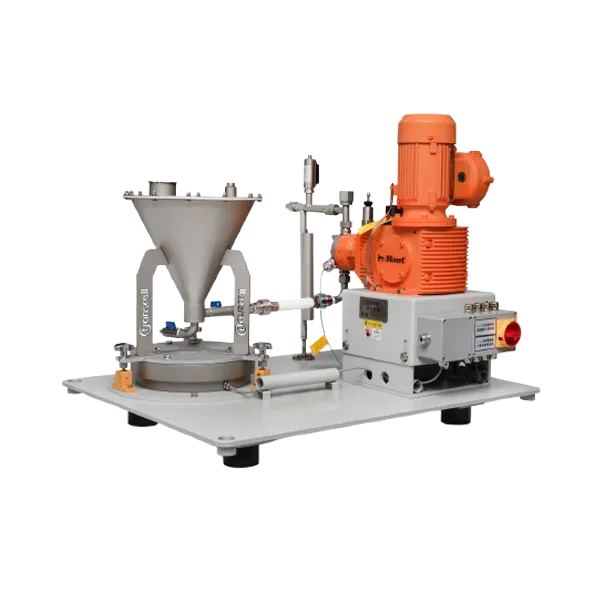
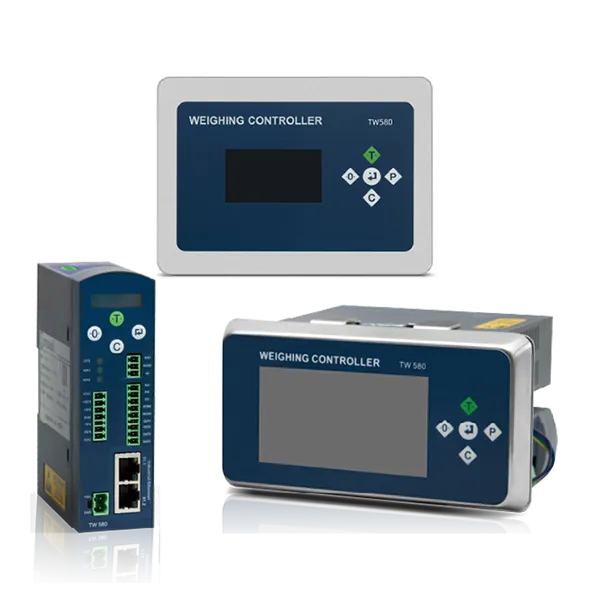
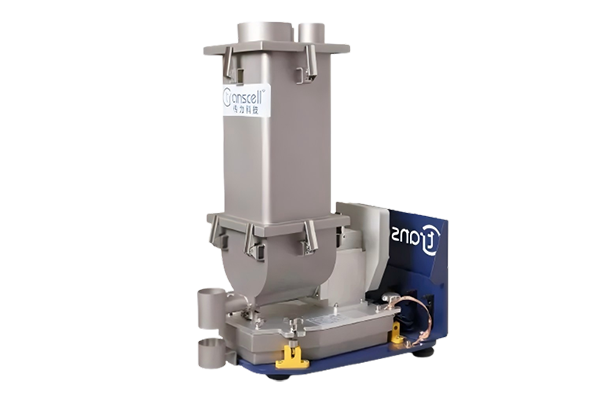
A loss-in-weight feeder is a complete system with a hopper, a metering device, and a scale that continuously weighs the entire assembly. It calculates the real-time mass flow by monitoring weight reduction and adjusts the metering speed to maintain a precise setpoint.
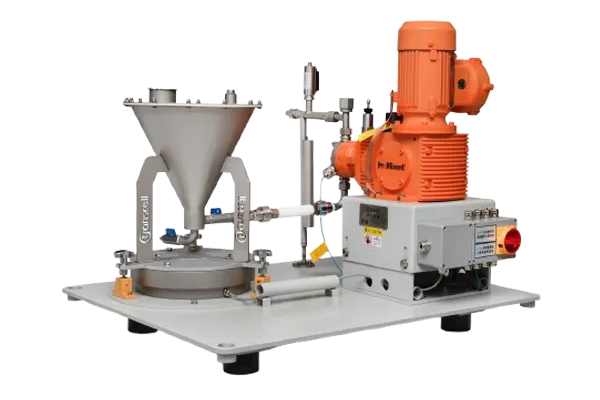
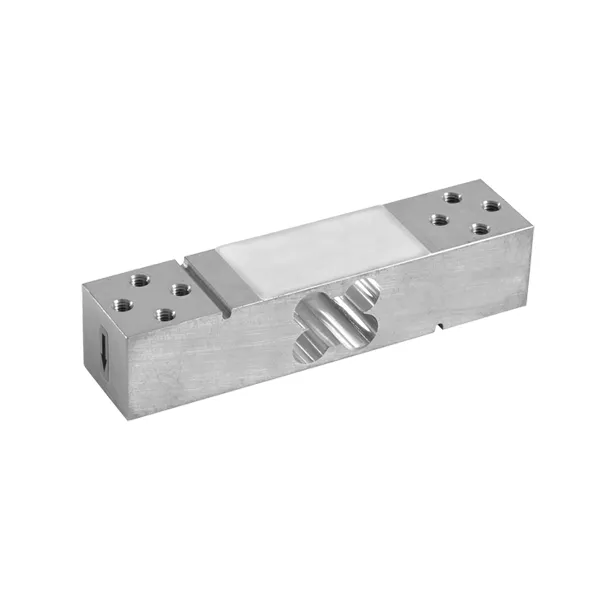
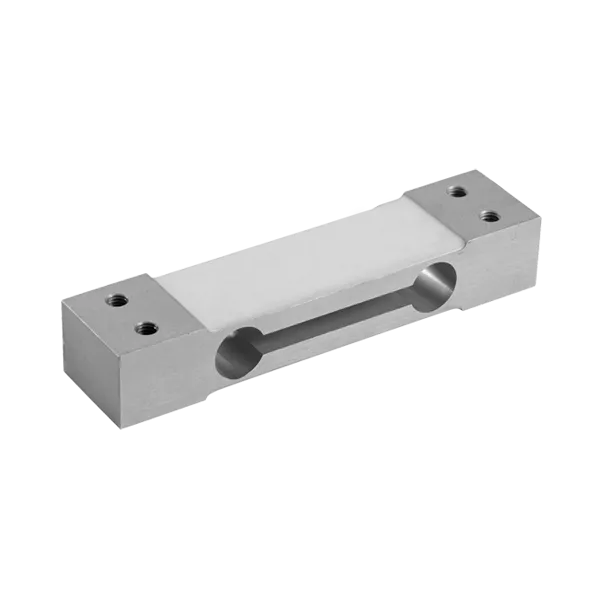
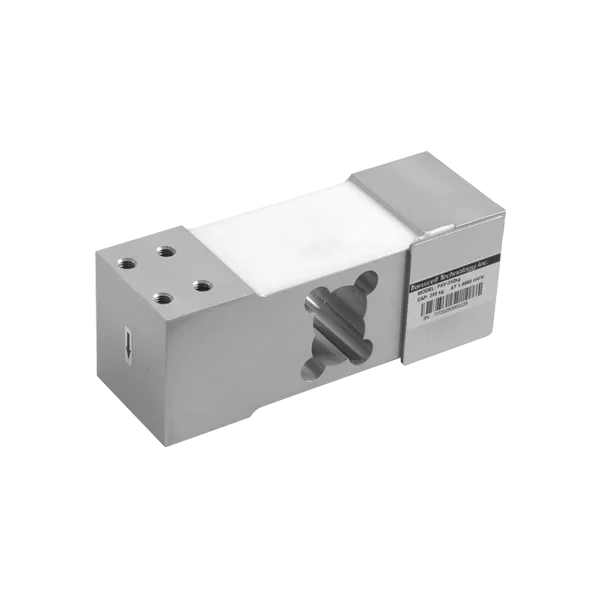
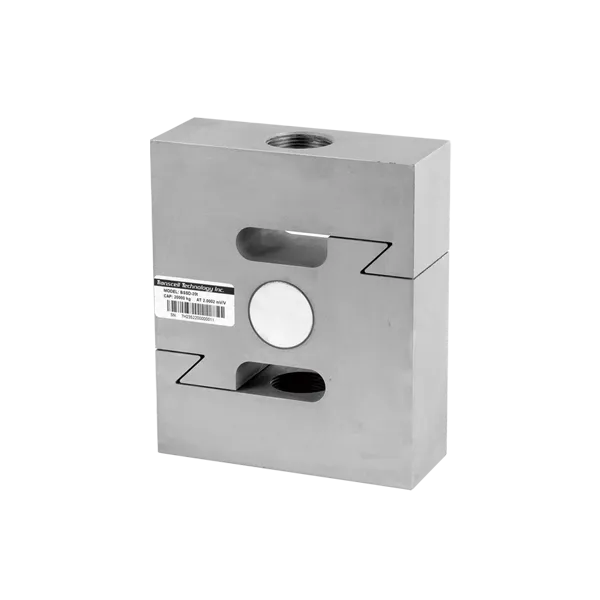
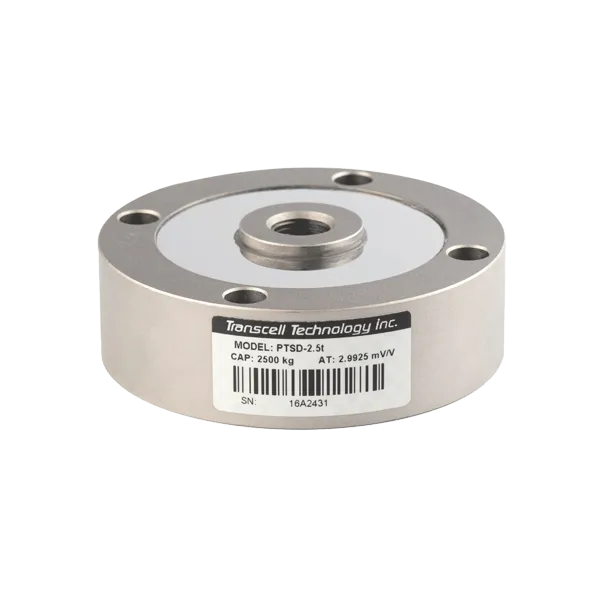
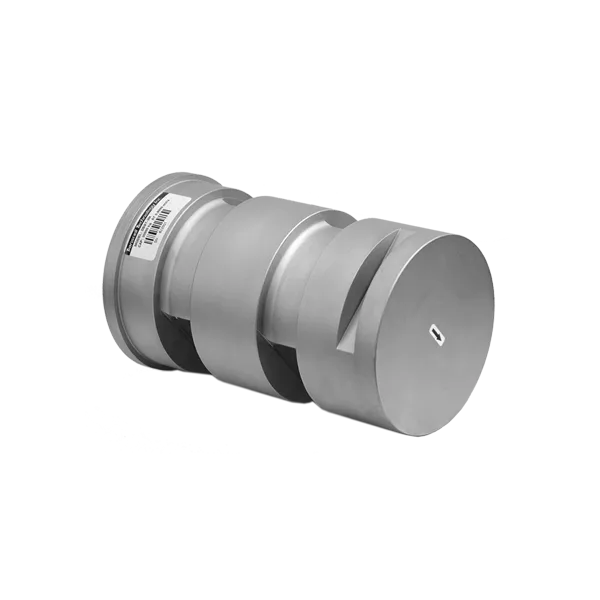
This equipment type belongs to the gravimetric feeding category. Volumetric feeders move a fixed volume per rotation. Their accuracy depends entirely on consistent material density. In practice, density changes with particle size, moisture, and compaction. A loss-in-weight feeder ignores these variables. The load cells under the hopper measure the total mass many times per second. The controller computes the actual mass flow rate. If the rate deviates from the target, the control loop immediately adjusts the screw or belt speed. During the refill phase, when material drops into the hopper, the system locks the last metering speed and switches to volumetric mode for a few seconds. After the refill stabilizes, gravimetric control resumes automatically. This design allows continuous, uninterrupted operation with traceable accuracy. Industries such as modified plastics, chemicals, lithium battery material processing, food, building materials, and pharmaceuticals depend on this technology for repeatable process control.
How Does a Loss-in-Weight Feeder Work?
Feed systems that cannot react to material changes force operators to constantly tweak settings. A loss-in-weight feeder eliminates that manual adjustment through a closed-loop control.
A hopper filled with material sits on high-precision load cells. The controller continuously reads the decreasing weight and calculates the actual discharge rate. It compares this rate to the setpoint and instantly corrects the metering device speed, maintaining a stable mass flow.
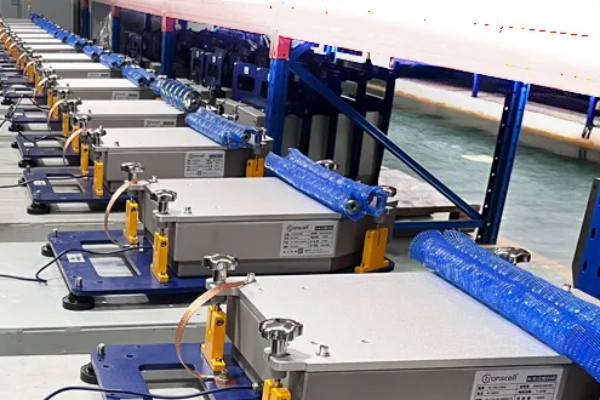
The loss in weight feeder working principle divides into three distinct stages. First comes the normal feeding phase. The load cells sample the weight signal at a high frequency. A digital signal processor filters out environmental vibrations and mechanical noise. The clean signal enters the rate calculation algorithm. The controller knows the exact mass lost over a tiny time window. It compares this computed rate to the target rate. Any error triggers an immediate correction to the motor driving the screw, belt, or vibratory tray. The second stage is the refill phase. When the material level drops to a preset low limit, a refill valve opens. Fresh material fills the hopper quickly. During this short period, the weight signal is invalid for gravimetric control. The system freezes the last known correct metering speed and operates in volumetric mode. After the refill valve closes and the weight stabilizes, the controller switches back to gravimetric regulation. The third stage covers the transition back to normal feeding. Advanced algorithms prevent overshoot and dampen control oscillations. This cycle repeats automatically. The entire process delivers a steady mass flow that remains accurate within ±0.25% to ±0.5% of the set rate for most free-flowing powders and granules. Challenging materials like sticky powders or floodable solids require specific screw designs and agitator options to maintain the same level of precision.
What Are the Key Benefits of Loss-in-Weight Feeding?
Batch records that cannot prove consistent feed accuracy put compliance and customer trust at risk. Loss-in-weight technology provides the verification data that volumetric systems simply cannot offer.
The primary benefits are high accuracy, process stability, and full traceability. Accuracy reaches ±0.25–0.5%. Stability comes from the closed-loop correction that ignores density changes. Traceability means every second of feed rate data is recorded for quality documentation and process optimization.
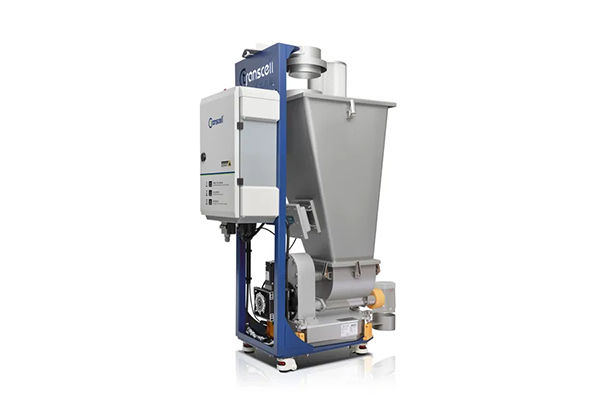
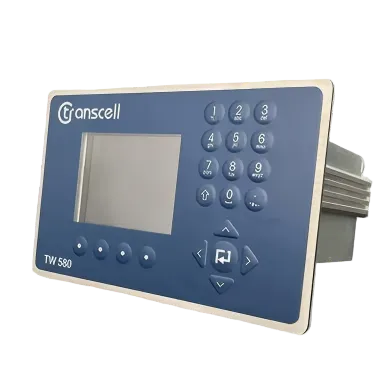
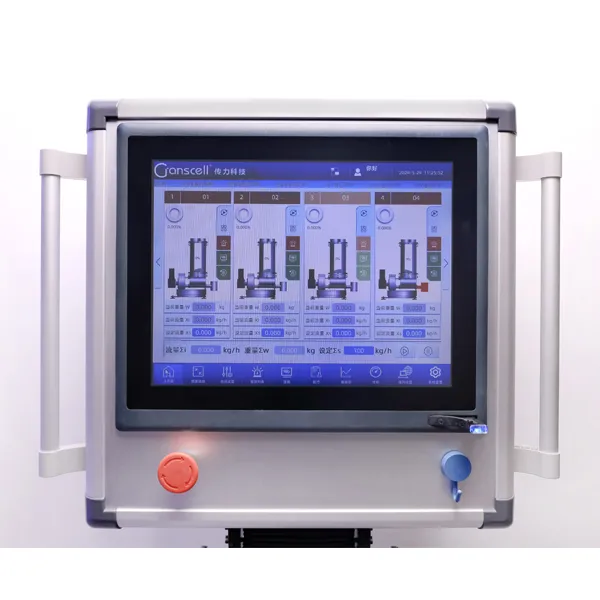
Accuracy in loss-in-weight feeding means the true mass flow stays tightly around the target. This precision protects recipe integrity in plastic compounding operations, where a fraction of a percent error in additive feeding changes mechanical properties. It ensures the correct active ingredient dosage in pharmaceutical continuous manufacturing. Stability is the ability to hold that accuracy over hours of uninterrupted operation. Environmental factors like temperature drift and floor vibration get rejected by the load cell signal processing. The control algorithm compensates for material build-up on the screw or slight changes in flow behavior. The result is a consistent product output shift after shift. Traceability is the recorded time-stamped weight data. This data stream creates a complete audit trail. Production managers can review exactly how much material was dispensed at any moment. Quality teams use this information to certify batches and meet strict industry regulations. Engineers analyze the data to detect feeder performance drift before it becomes a quality problem. Transcell Technology builds controllers that store and export this data, supporting integration into MES and ERP systems.
How to Choose the Right Loss-in-Weight Feeder?
A feeder specification mismatch leads to chronic process struggles, yet many buyers over-focus on price and skip material testing.
Begin with a complete material characterization: bulk density, particle size distribution, flowability, and temperature sensitivity. Define the required feed rate range and accuracy. Then select the hopper design, metering mechanism, and control system that match those parameters. Always validate the configuration with a full-scale test using your actual material.
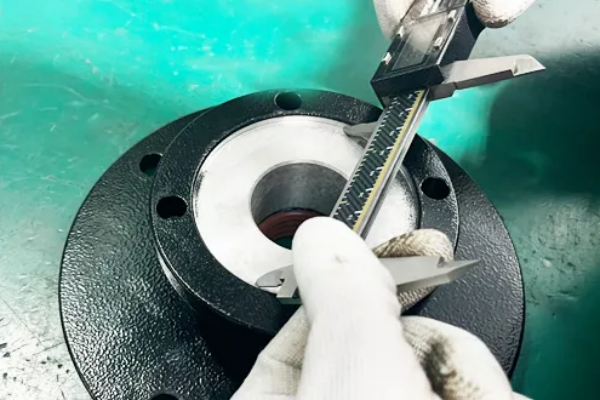
The selection process starts with the material to be handled. Free-flowing granules behave well with a single screw feeder. Cohesive powders need an agitator inside the hopper and a twin screw for positive discharge. Floodable materials demand a fine-pitch screw or a vibratory tray with a positive shut-off. Fibrous or flake materials call for a belt feeder or a special screw geometry. The next factor is the required feed rate. The feeder must cover the full operating range without running at its extreme limits. Running a large feeder at less than 10% of its maximum capacity often degrades accuracy. Running a small feeder at maximum speed leaves no room for process adjustments. The hopper size must consider material consumption between refills and the refill frequency that the control system can tolerate. The load cell resolution must match the minute weight changes at the lowest feed rate. A feeder handling a 200 kg per hour rate needs high-resolution weighing. Environmental conditions matter as well. Dusty areas require sealed load cells and purge systems. Explosive atmospheres demand ATEX or IECEx certified components. The control interface should connect seamlessly to the plant’s automation network. Options include Profibus, Profinet, EtherNet/IP, and Modbus TCP. Transcell Technology offers modular controllers that integrate with both standalone machines and centralized DCS systems. The final step is always a material trial. A test with actual production material reveals feeding behavior that lab analysis cannot predict. The trial confirms long-term stability, refill performance, and accuracy under realistic conditions.
Conclusion
A loss-in-weight feeder brings accuracy, stability, and traceability to critical material handling. Match the feeder design to the material properties and always prove performance through testing.
 CN
CN