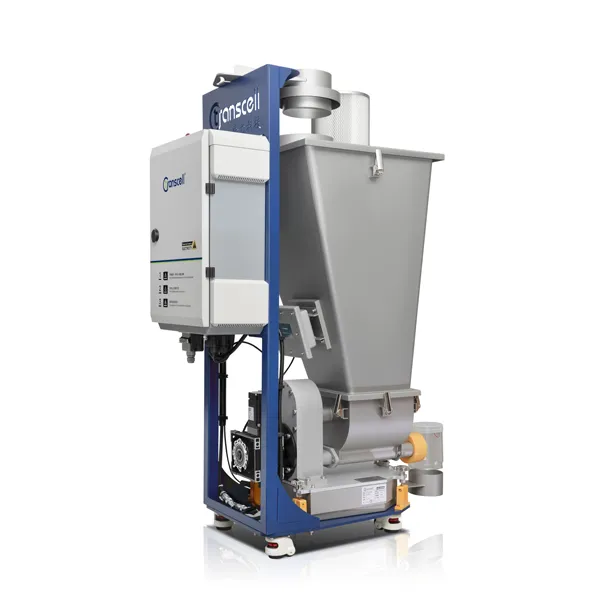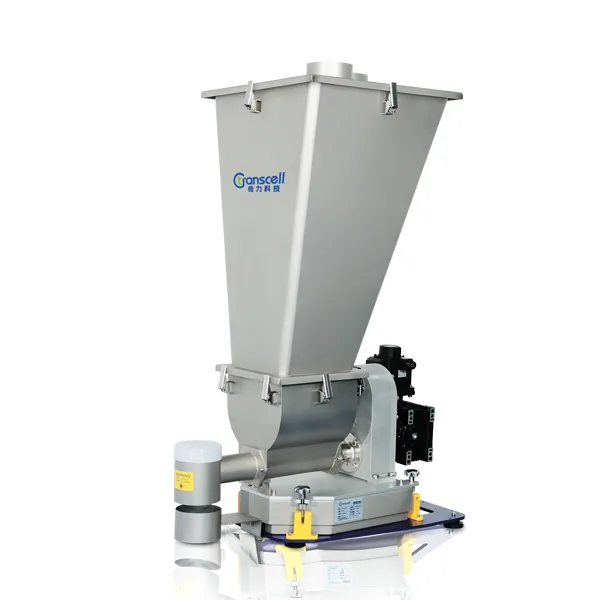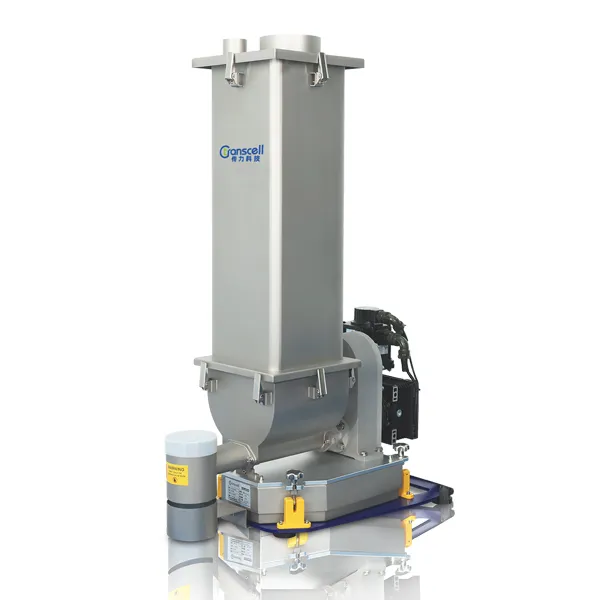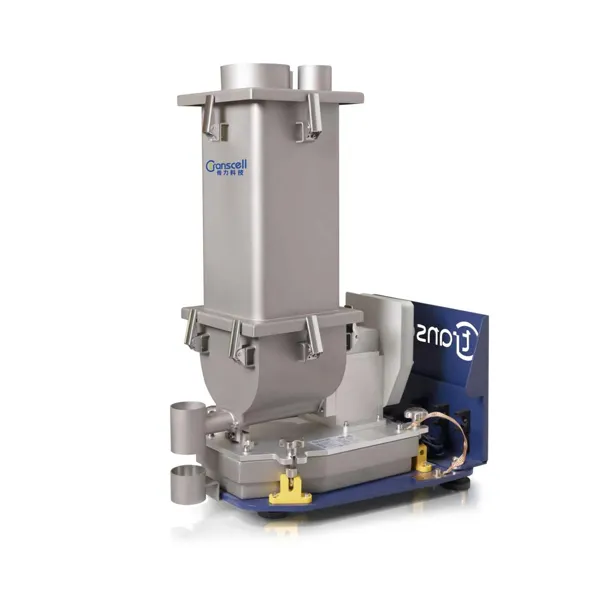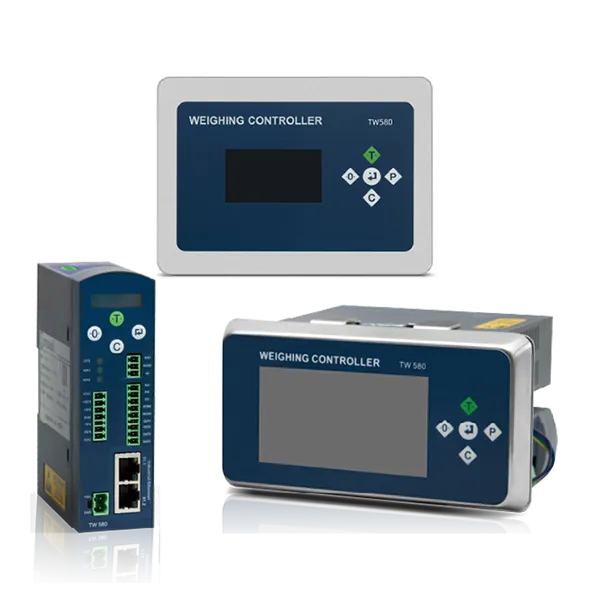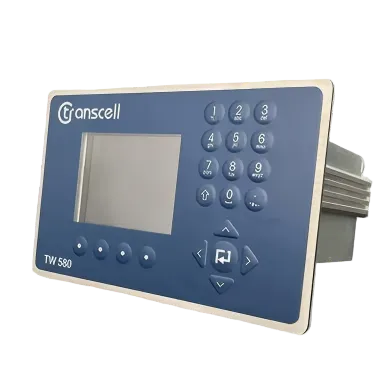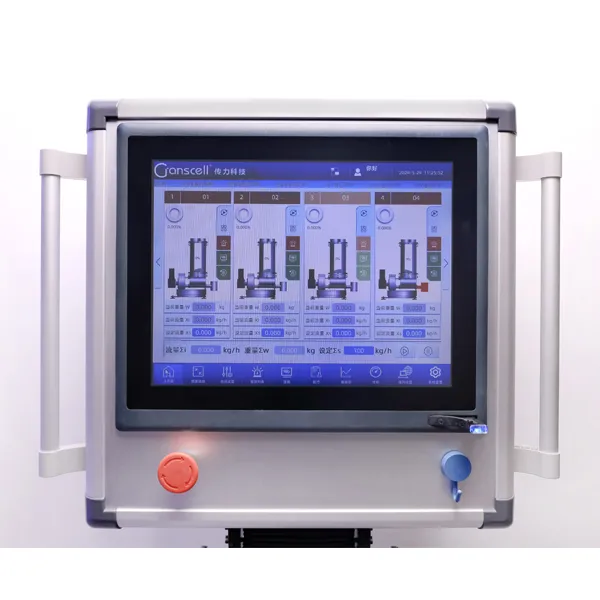
Loss-in-weight feeders are automated weighing devices capable of continuous, uninterrupted feeding and discharging. They are suitable for weighing and batching control of fine materials, featuring high accuracy and high speed. They are widely used in industries such as modified plastics, chemicals, pharmaceuticals, food, and lithium batteries.
However, during operation, loss-in-weight feeders may encounter fluctuations. Previously, we shared a practical guide on 11 common troubleshooting methods for loss-in-weight feeders. Today, we will explain the causes of fluctuations in loss-in-weight feeders and provide daily maintenance knowledge for loss-in-weight feeders.
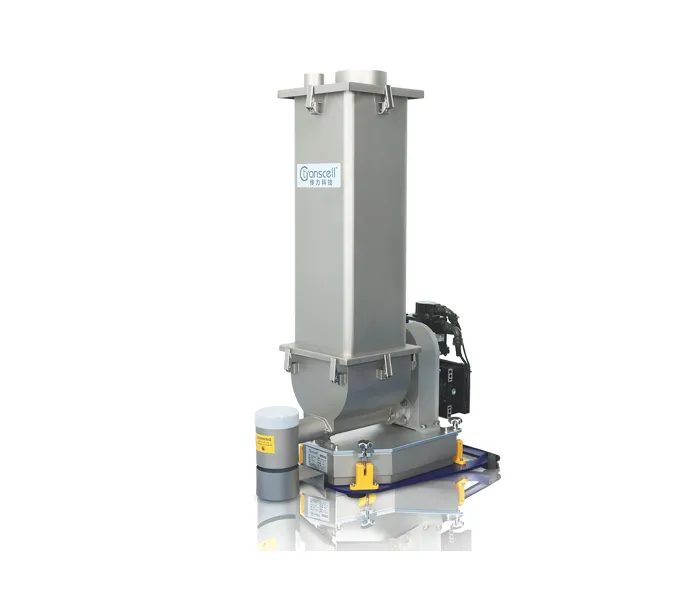
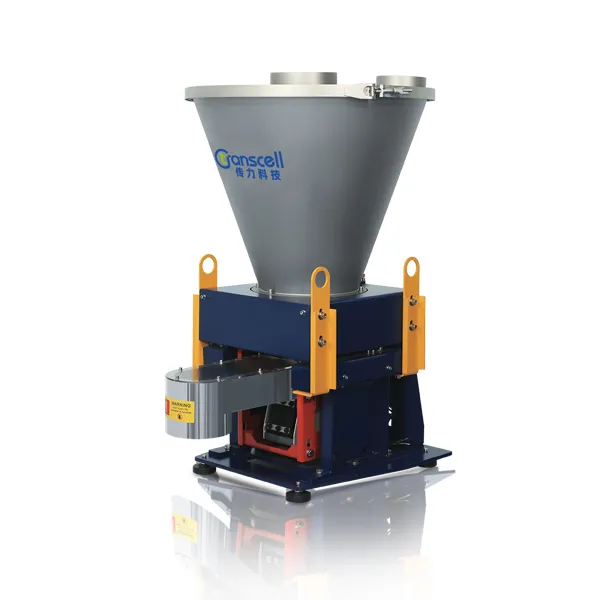
Double Screw Loss-in-weight Feeder | Source: Transcell Technology
First, the reasons for fluctuations in loss-in-weight feeders include the following aspects:
Whether the feed motor and screw operate smoothly: Check the level of vibration and noise.
Whether the weighing platform and the machine body are touching or sticking to surrounding objects.
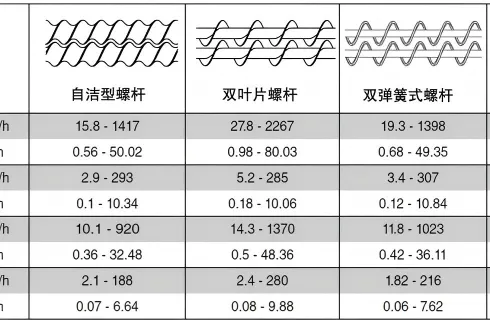
Whether the feed screw blade is damaged. Damage can affect feeding uniformity. We have found that screw blades sometimes wear quickly, and occasionally missing blades occur, affecting the stability of screw feeding.
Whether the flexible connections are normal: between the loss-in-weight weighing hopper and the refill hopper, between the loss-in-weight weighing hopper and the vent pipe, and between the discharge outlet and the collection hopper.
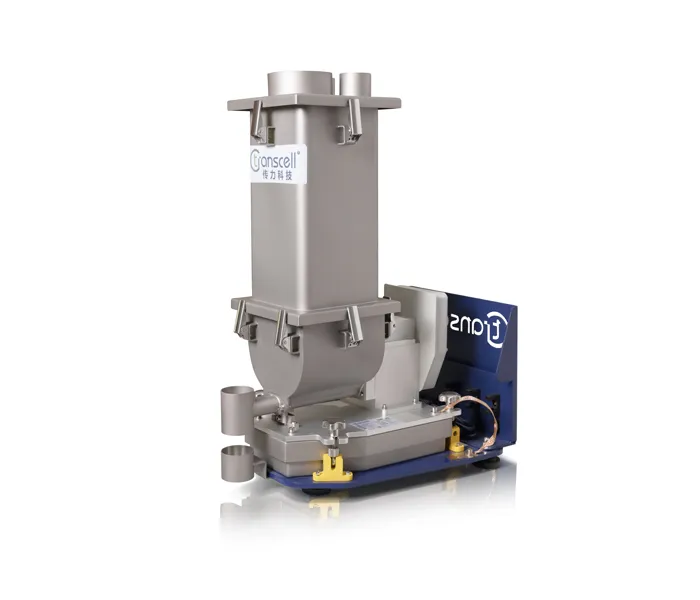
Micro Screw Loss-in-weight Feeder | Source: Transcell Technology
After understanding the causes of fluctuations, let's also learn about daily maintenance for loss-in-weight feeders:
When using the equipment for material supply, pay attention to its cleanliness. If stains or large amounts of dust adhere to the equipment surface, clean it promptly to keep the equipment clean and dry. Additionally, regular calibration is necessary during use. Some equipment may deviate in accuracy after prolonged use, and timely calibration can avoid errors and ensure the accuracy of the loss-in-weight feeder.
During normal operation, operators should also check whether the material's moisture content meets standards. Excessive moisture increases material weight, which not only affects accuracy but also places additional burden on the equipment. Therefore, these maintenance tips must be understood when using a loss-in-weight feeder.
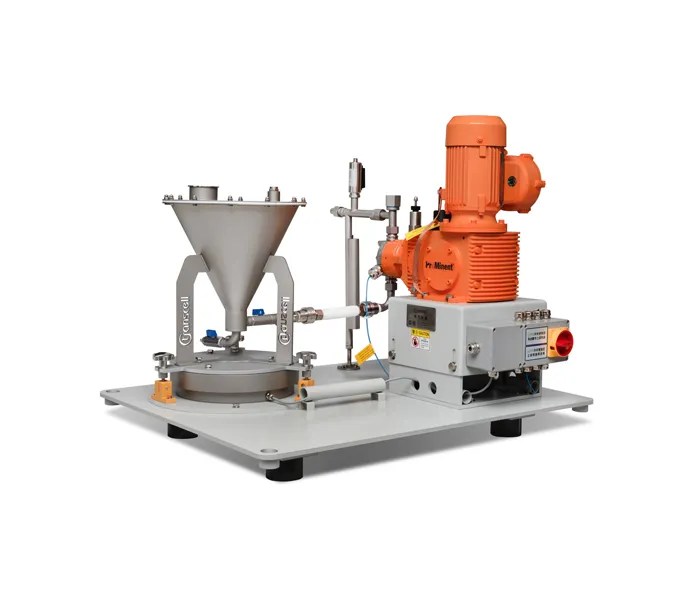
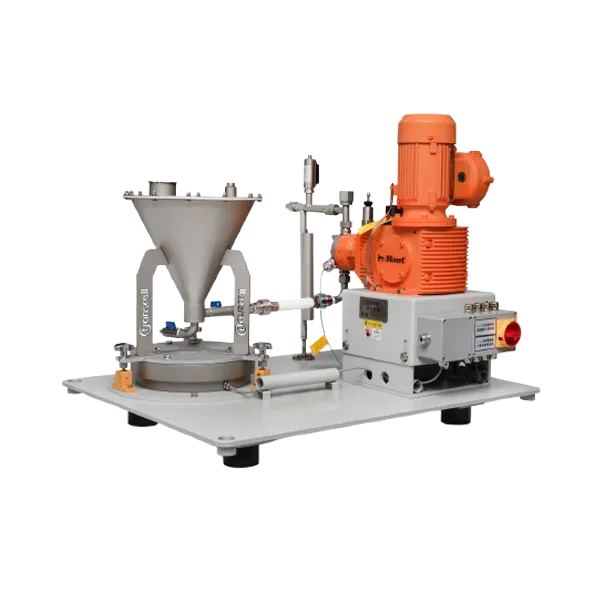
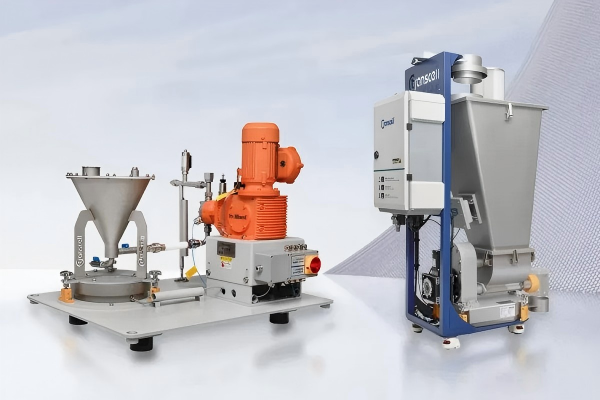
Liquid Loss-in-weight Feeder | Source: Transcell Technology
Regarding these maintenance tasks, a veteran technician offers 15 daily equipment operation and management suggestions:
Observe the oil level on the gearbox sight glass, and regularly add lubricating oil to the gearbox.
Regularly add grease to the reducer using a grease gun.
Periodically check the wear condition of the gears inside the gearbox.
Periodically check whether the oil seal at the connection between the gearbox interior and the output shaft has aged. It is recommended to replace it periodically (once a year).
Periodically check the oil seal of the horizontal agitator blade inside the spherical hopper. It is recommended to replace it periodically (once a year).
Periodically check whether the screw blades (for welded paddle-type screws) are deformed. If deformation is severe, replace them.
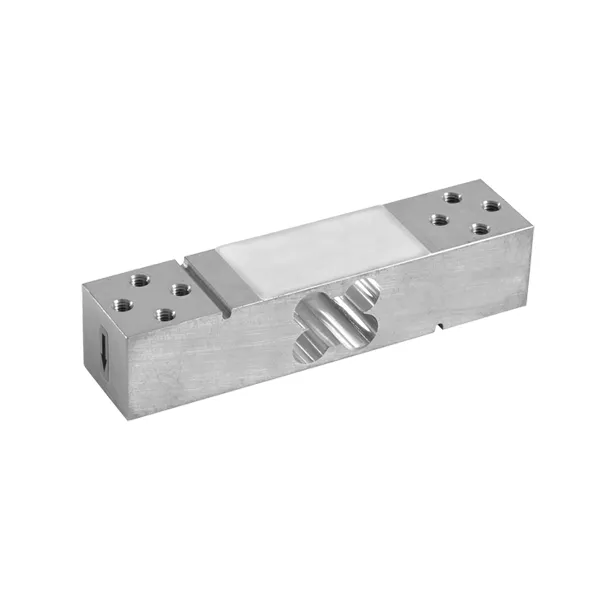
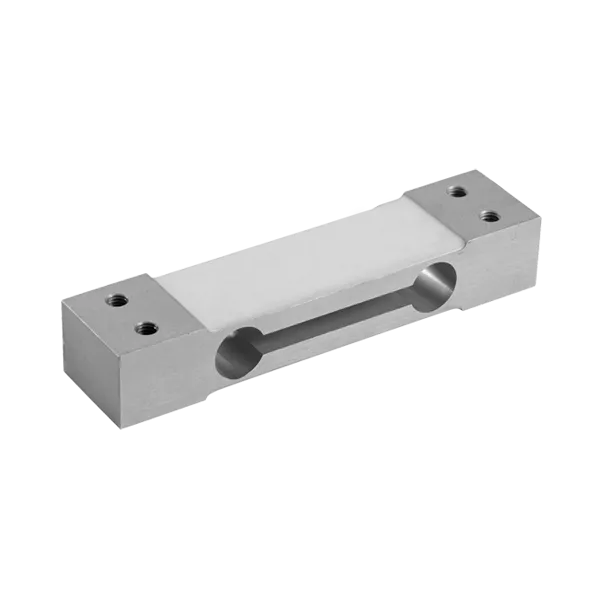
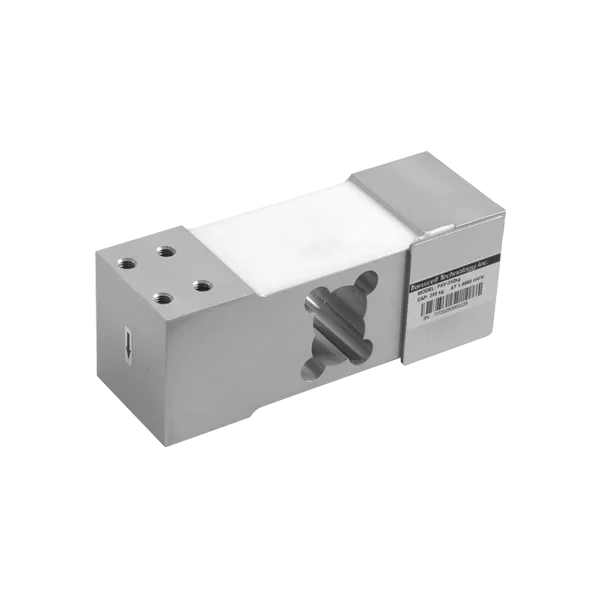
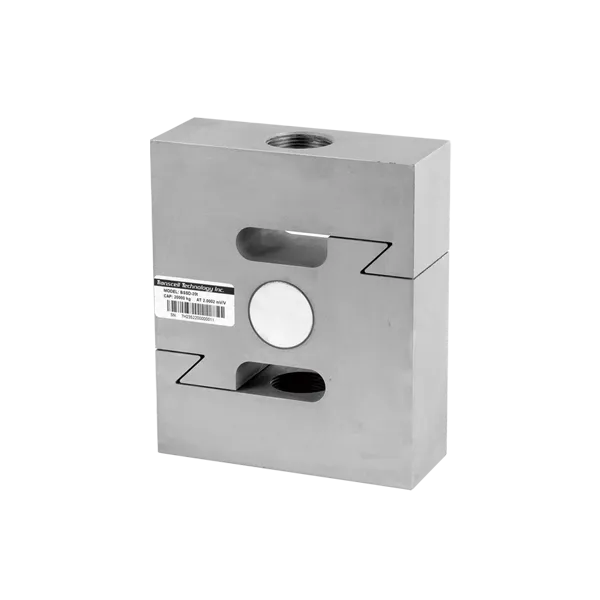
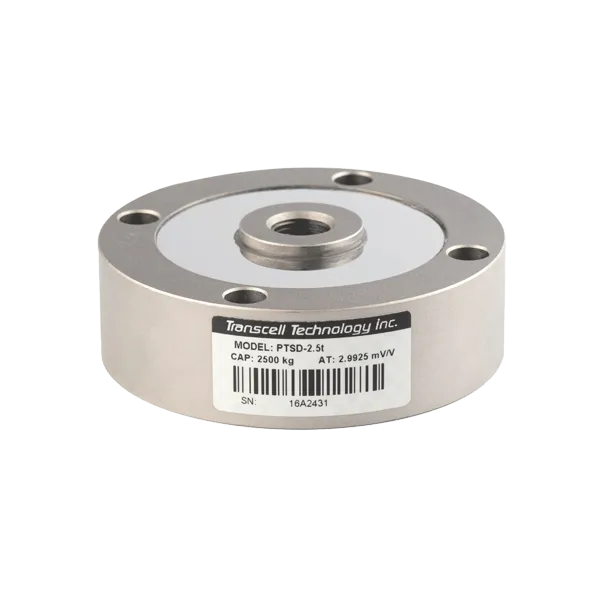
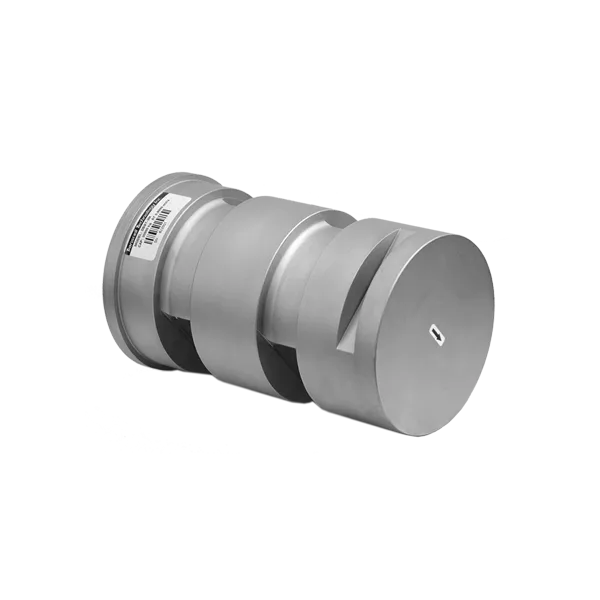
Periodically check whether the weighing is accurate (place standard calibration weights on the scale body) to determine whether recalibration is needed or whether the load cell is functioning properly.
Periodically check whether any foreign objects are present in the hopper, the spherical or U‑shaped hopper, the discharge outlet, or on the screw.
During initial use, pay attention to the screw rotation direction. When facing the screw discharge outlet, the screw should rotate clockwise. If the rotation is opposite, adjust the screw direction by setting parameters on the inverter.
If the customer changes the material (the material characteristics must be the same), clean the screw and the interior of the spherical hopper thoroughly to ensure product quality.
After daily use, clean the scale platform promptly to ensure there are no foreign objects between the platform cover and the base, no external拉扯 (pulling or tugging), and no external force applied to the loss-in-weight feeder. Ensure the cables are properly bundled and no external force is applied to the loss-in-weight feeder.
Before any handling or moving of the loss-in-weight feeder, install and secure the protective blocks between the cover under the scale body and the base to prevent external forces from damaging the load cell during transport. Only loosen the protective blocks after the loss-in-weight feeder has been installed in its final position.
The loss-in-weight feeder should be installed away from vibration sources, with a firm and stable base.
The control system must have a good low-voltage grounding, strictly separated from the high-voltage grounding. The grounding resistance must be less than 1 ohm.
If an unexplained fault occurs during operation, record the fault phenomenon, cut off the power supply, and have an electrician and a mechanic perform troubleshooting while ensuring the safety of personnel and equipment.
 CN
CN