Loss-in-weight feeders are widely used in industrial production and manufacturing as feeding and metering equipment. I believe you are no longer unfamiliar with them. Due to their significant advantages in accuracy and efficiency, they are especially widely used in plastic compounding and modification production. To help you better understand loss-in-weight feeders, we have recently published the following practical articles:
From Design to Operation: Do You Know These Key Points About Loss-in-Weight Feeders?
Master Your Loss-in-Weight Feeder: 11 Common Troubleshooting Tips You Need to Know
Why Does Your Loss-in-Weight Feeder Fluctuate? A Veteran Technician Shares Maintenance Tips...
Loss-in-weight feeders are commonly used, but they often do not perform as expected. Today, we will take apart the loss-in-weight feeder and explain it in detail. We hope this helps you. Feel free to discuss in the comments.
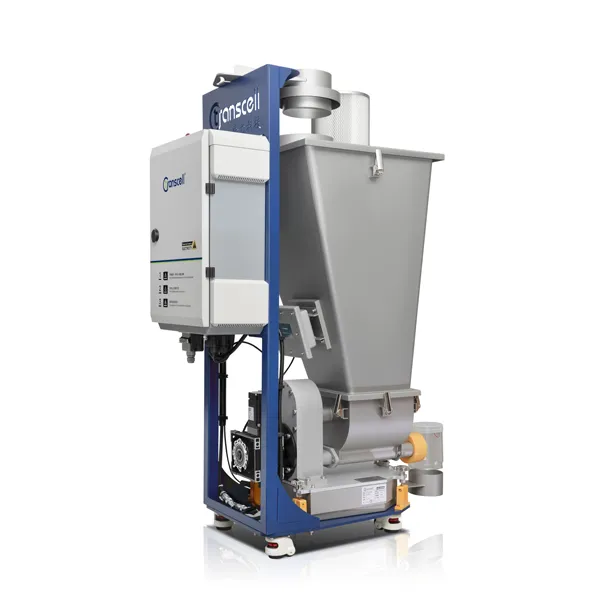
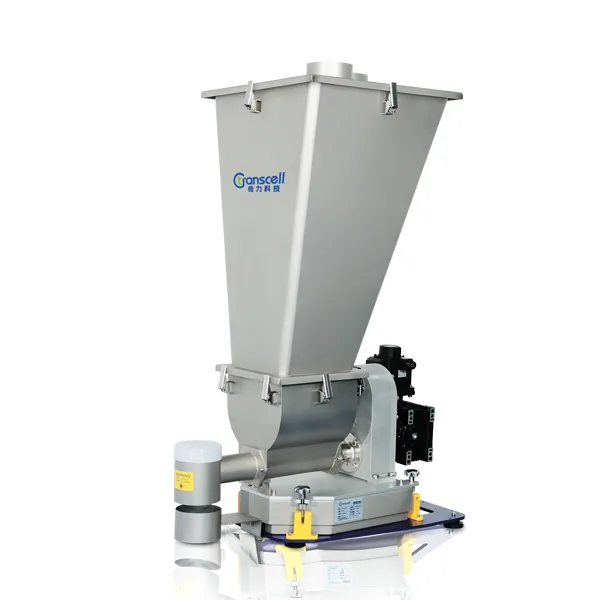
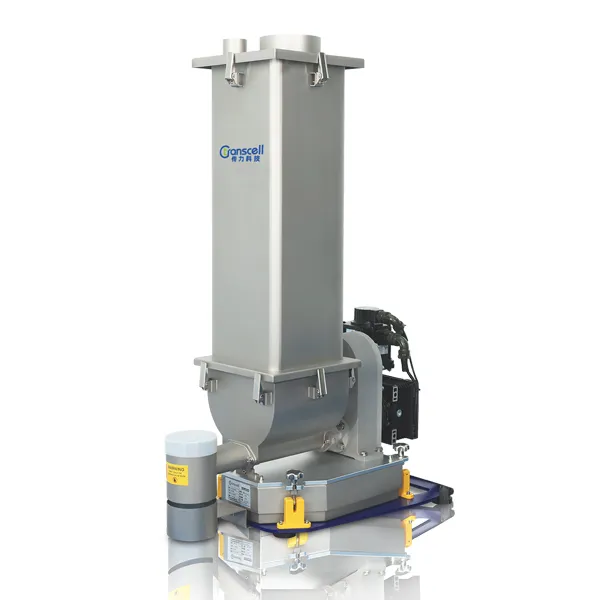
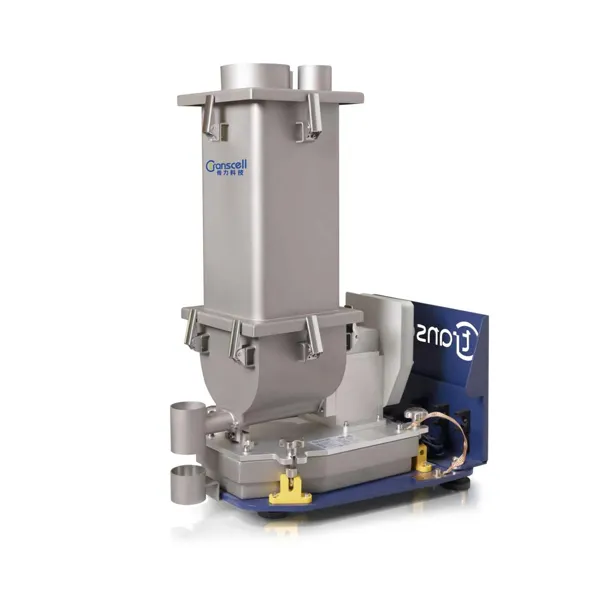
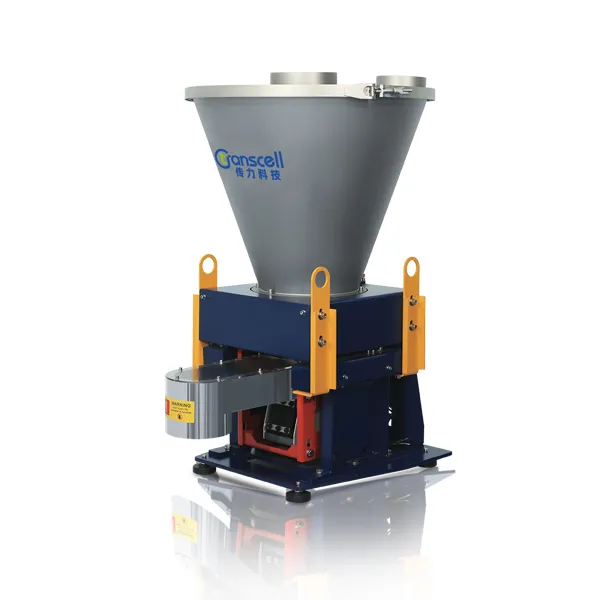
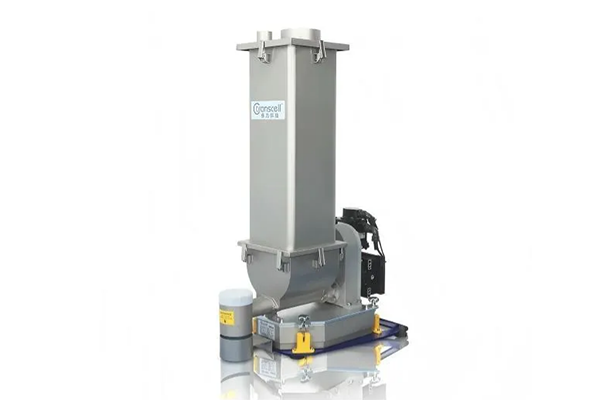
A loss-in-weight feeder generally consists of the following main components: weighing hopper, agitator, discharge device, frame, load cell, and loss-in-weight controller.
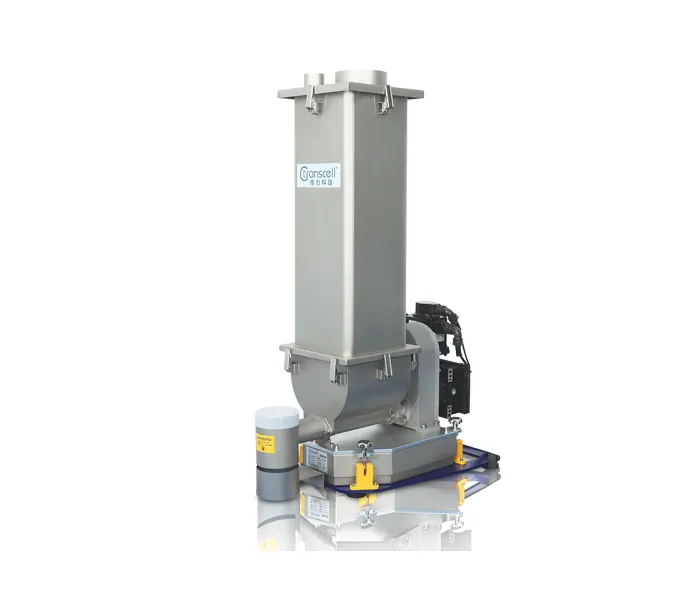
Double Screw Loss-in-weight Feeder | Source: Transcell Technology
1. Weighing Hopper
The weighing hopper is the container that holds the material to be weighed. It is mainly made of stainless steel. Its volume is selected based on 3 minutes of feeding at the maximum flow rate, and the feeding time should account for a minimum of about 10% of the entire weighing cycle. The upstream silo refills the weighing hopper through an inlet gate. The inlet gate is typically a butterfly valve, slide gate valve, ball valve, etc. Key performance indicators include tight sealing, switching flexibility, and fast, smooth refilling.
2. Agitator
The agitator is mainly used to assist material discharge for poor-flowing materials. There are two types: horizontal agitator and vertical agitator. By rotating the arch-breaking arm, materials that tend to form arches or rat holes can fall smoothly to the bottom screw conveyor.
3. Discharge Device
The discharge device is used to discharge the bulk material from the weighing hopper. Depending on the material characteristics and the operating environment, a screw feeder, vibratory feeder, belt feeder, or rotary vane feeder may be used. In most applications, the screw feeder is superior to other discharge forms because it can convey material uniformly and also prevent dusting and blowout of powdery materials.
4. Frame
The frame supports the other equipment and components. The load cell is mounted on it.
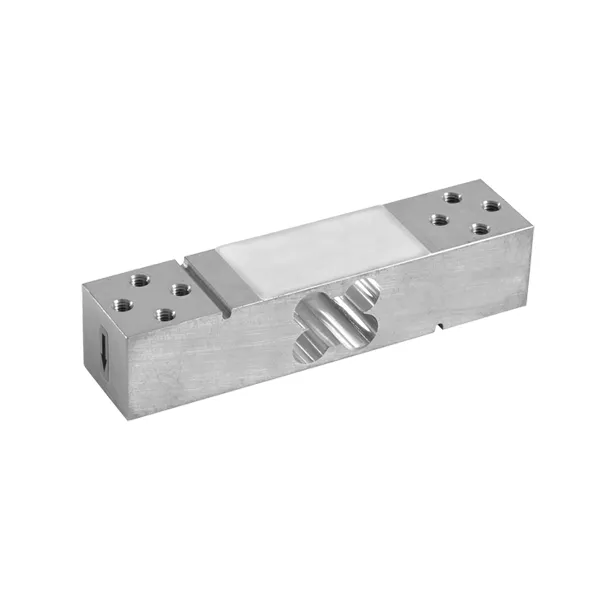
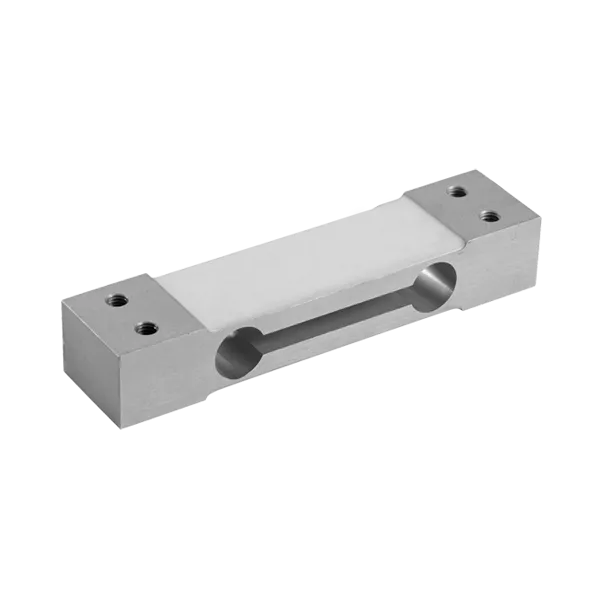
5. Load Cell
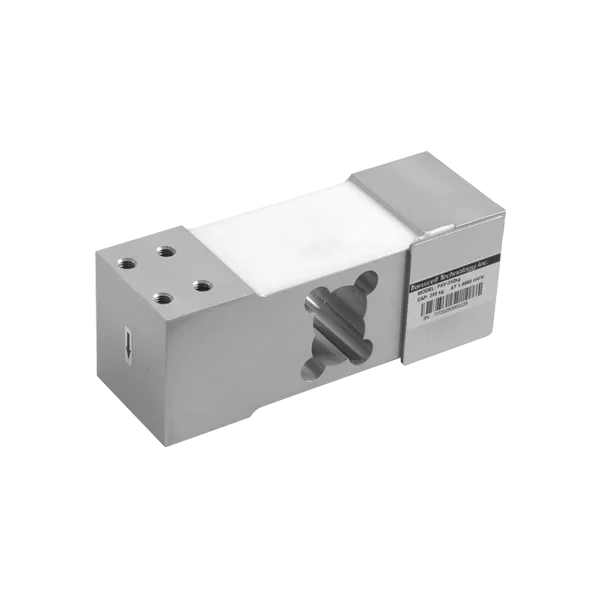
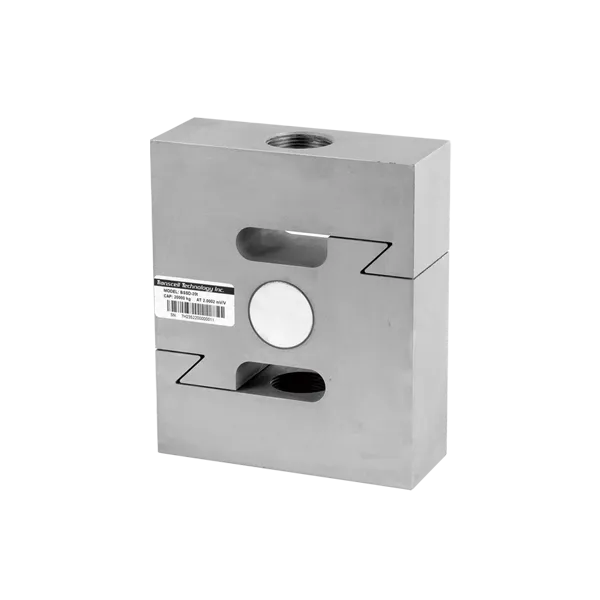
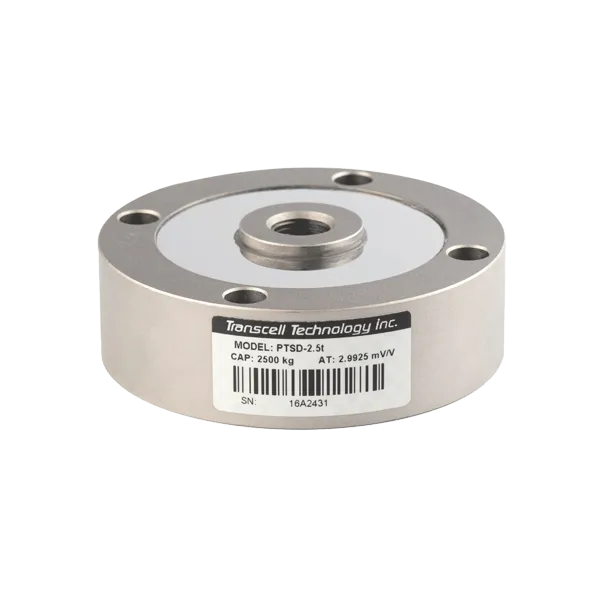
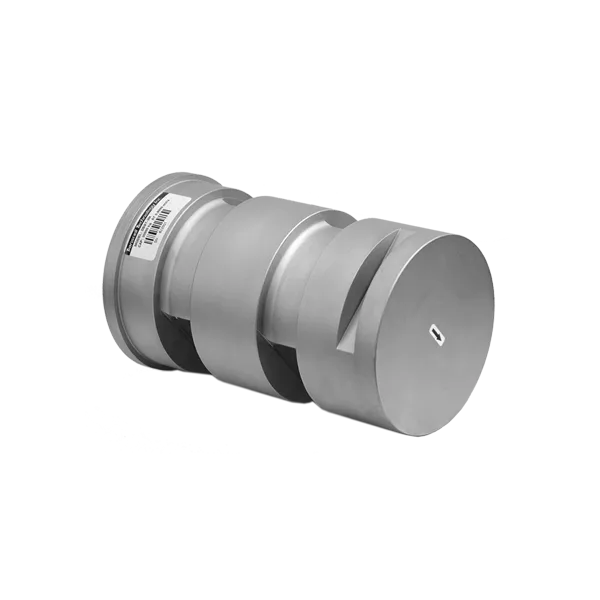
The load cell is the core weighing component of the loss-in-weight feeder. A rugged, high-resolution strain gauge sensor is often used. It converts the material weight signal into an electrical signal for output.
6. Loss-in-Weight Controller
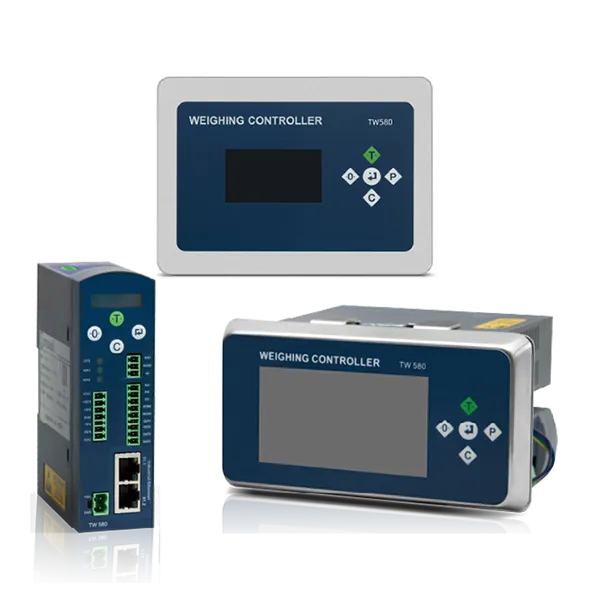
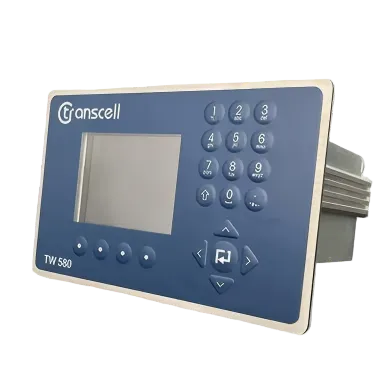
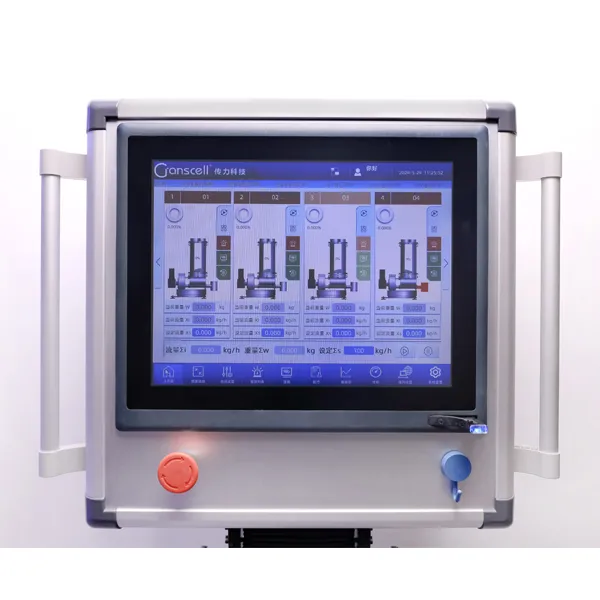
The loss-in-weight controller consists of an intelligent weighing instrument and an automatic control system. It controls and meters the feed rate, throughput, etc., and can be connected to a DCS system.
Additionally, the inlet and outlet of the loss-in-weight feeder should generally use flexible dust-proof and air-sealed soft connections to ensure that the connection of upstream and downstream equipment does not interfere with weighing. Both the weighing hopper and the discharge device mounted beneath it rest on the load cells fixed to the frame.
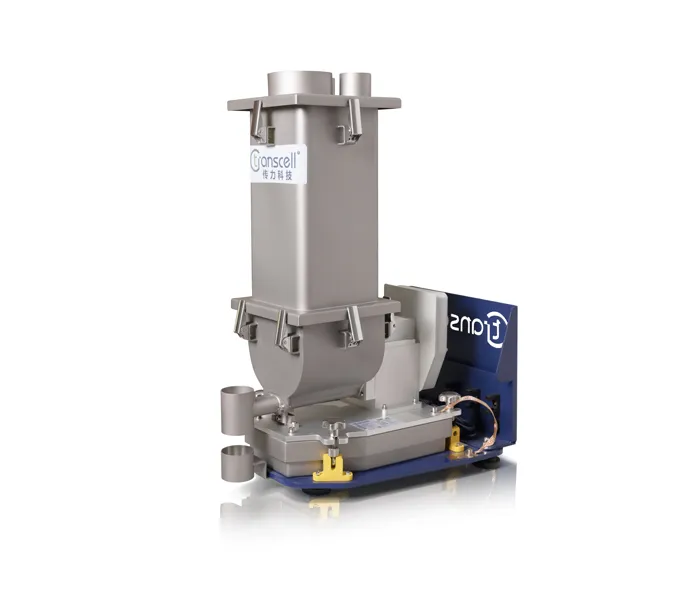
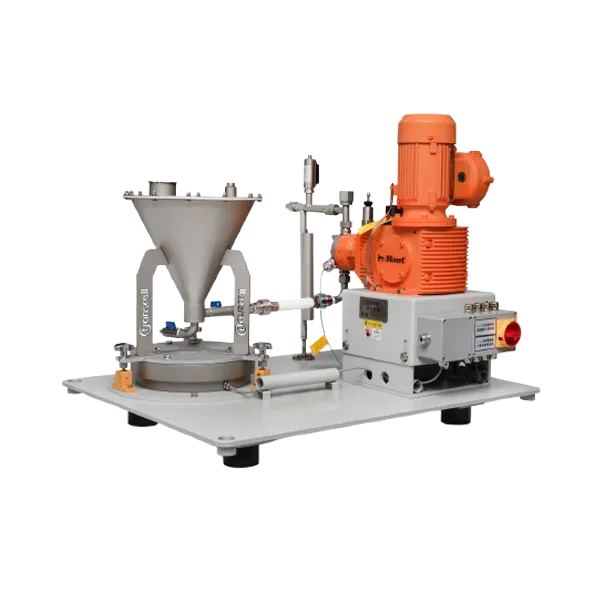
Micro loss-in-weight feeder | Source: Transcell Technology
Working Principle
The loss-in-weight feeder achieves metering by controlling the weight loss during operation.
The weight of material in the weighing hopper is converted by the load cell into an electrical signal and sent to the loss-in-weight controller. The controller compares and judges the calculated material weight against the preset weight value, and uses PID calculation to control the discharge device, ensuring that the actual feed rate accurately tracks the setpoint. The controller also controls the inlet gate to intermittently refill the weighing hopper. When the inlet gate opens to refill the weighing hopper, the control signal locks the feed rate and performs volumetric discharge.
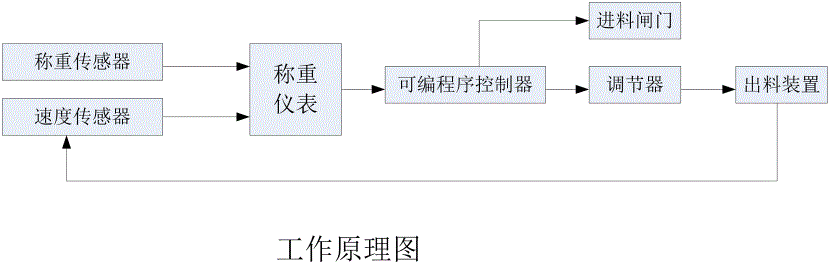
Compared to other weighing devices, the feed rate of a loss-in-weight feeder is determined based on weight difference, not absolute weight. Therefore, during weighing and feeding, the actual discharge accuracy of the loss-in-weight feeder is not reduced by material adhesion or temperature changes affecting the load cell.
Loss-in-weight feeders have an increasingly broad application prospect in bulk material conveying and metering systems.
 CN
CN