Every production manager running a continuous compounding, food processing, chemical, or battery materials line knows the uncomfortable truth about volumetric feeding: the feeder is probably over-dosing. Not by a catastrophic amount—just enough to ensure the product never falls below specification. Two percent here, three percent there. The logic is sound from a quality perspective. The financial consequence, however, is a slow, invisible drain on raw material budget that compounds across every production hour of every shift of every month.
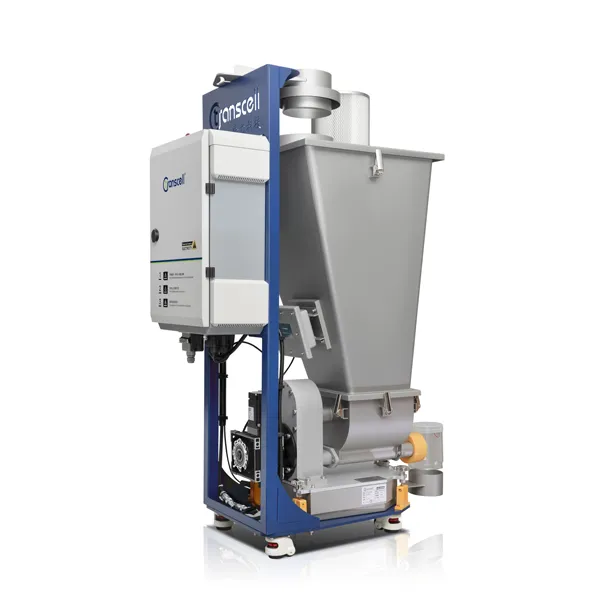
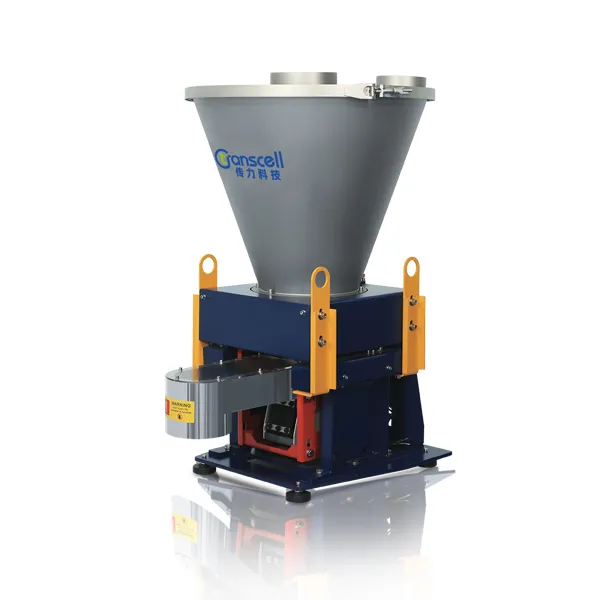
A loss in weight feeder eliminates this compromise. By continuously measuring the actual weight loss from the hopper and closing the control loop in real time, it maintains the target feed rate regardless of bulk density variation, moisture shifts, or powder flow changes—without the safety margin that volumetric systems require to compensate for their inherent uncertainty. For plants using expensive additives, specialty chemicals, battery materials, or pharmaceutical ingredients, the difference between 0.5% gravimetric accuracy and 2–5% volumetric drift is not a technical specification—it is a line item on the P&L. Transcell's loss-in-weight feeding systems are designed for continuous metering processes, using advanced sensor and control technology for precise, reliable, intelligent material handling across modified plastics, chemical, food, new energy, and pharmaceutical production lines.
Why Volumetric Feeding Drift Creates a Hidden Raw Material Cost
To understand why a loss in weight feeder pays back, it is necessary to understand precisely why volumetric feeders over-feed—and why the over-feeding is not a calibration failure but a structural characteristic of the measurement method.
A volumetric feeder doses material by controlling screw speed, vibration frequency, or volume displacement. The underlying assumption is that a fixed mechanical output corresponds to a fixed mass output. This assumption holds when bulk density is constant, particle size is uniform, moisture content is stable, and powder flow behavior does not change. In real production environments, none of these conditions are reliably constant.
The bulk density problem: many powders and granules have bulk densities that vary by 5–15% depending on how they were stored, transported, or handled before feeding. A volumetric feeder calibrated at a bulk density of 600 kg/m³ will over-feed by approximately 8% if the actual bulk density drops to 550 kg/m³—without any visible indication that the output has changed.
The flowability problem: cohesive powders, hygroscopic materials, and fine particles can bridge, rat-hole, or compact in the hopper, causing intermittent flow variations that a volumetric feeder cannot detect or correct. The operator response is typically to increase the setpoint to ensure minimum dosing is always met—which means systematic over-feeding during normal flow conditions.
The operator response problem: when a volumetric feeder's output is uncertain, quality-conscious operators add a safety margin to the setpoint. A 2% safety margin on a 5% additive in a 10,000-ton annual production line represents 10 tons of additive per year given away for free.
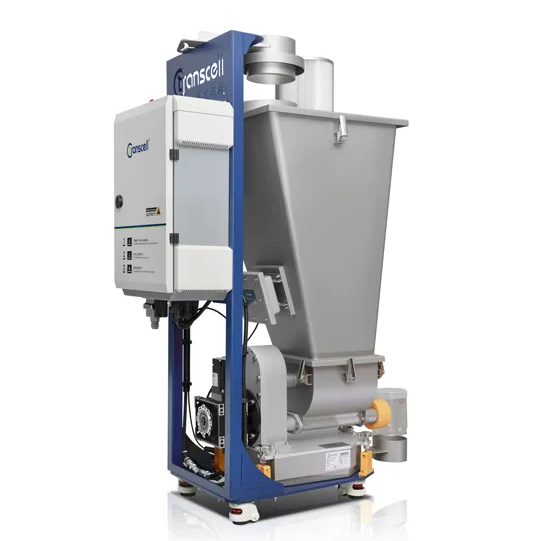
A loss-in-weight feeder removes all of these uncertainties by measuring what actually matters: the rate at which material weight decreases from the hopper. Transcell's system measures the actual weight-loss rate, compares it with the set value, and continuously adjusts speed to correct deviations—closing the loop on the physical reality of material flow rather than the mechanical assumption of volumetric output.
The Financial Model: What 0.5% Accuracy Is Worth Against 2–5% Volumetric Drift
The ROI case for a loss in weight feeder is most clearly made with a specific financial model. The following example uses conservative assumptions that apply to a wide range of industrial production scenarios.
Model assumptions:
Annual plant output: 10,000 tons
Additive ratio: 5% of total output
Annual additive target: 500 tons
Additive cost: USD 3,000 per ton
Loss-in-weight feeding deviation: ±0.5% (over-feed to ensure minimum dosing)
Volumetric feeding deviation: 2%–5% (over-feed required to compensate for uncertainty)
Raw material cost comparison:
| Feeding Method | Over-Feed Rate | Extra Additive Used / Year | Extra Cost / Year |
|---|
| Loss-in-weight feeder | 0.5% | 2.5 tons | USD 7,500 |
| Volumetric feeder — conservative | 2% | 10 tons | USD 30,000 |
| Volumetric feeder — typical | 3.5% | 17.5 tons | USD 52,500 |
| Volumetric feeder — poor case | 5% | 25 tons | USD 75,000 |
Annual savings from switching to loss-in-weight:
Versus 2% volumetric drift: USD 22,500 per year
Versus 3.5% volumetric drift: USD 45,000 per year
Versus 5% volumetric drift: USD 67,500 per year
These figures assume a single additive at USD 3,000/ton. For plants using multiple additives, or for materials with higher unit costs—flame retardants at USD 5,000–8,000/ton, battery-grade conductive additives at USD 10,000–20,000/ton, pharmaceutical excipients, or specialty enzymes—the annual savings scale proportionally. A plant feeding three additives at an average cost of USD 5,000/ton with a 3% volumetric drift correction could be saving USD 100,000–150,000 per year from a single investment in gravimetric feeding.
The payback calculation: a Transcell loss-in-weight feeder investment that generates USD 45,000 per year in raw material savings typically achieves payback within 12–24 months, depending on the feeder configuration and installation scope. The savings continue for the full service life of the equipment—typically 8–15 years—making the total return on investment a multiple of the initial capital cost.
How a Loss in Weight Feeder Works: Real-Time Weighing and Closed-Loop Control
The operating principle of a loss-in-weight system is straightforward but requires precise execution at every component level to deliver the accuracy that makes the financial model real.
The control loop:
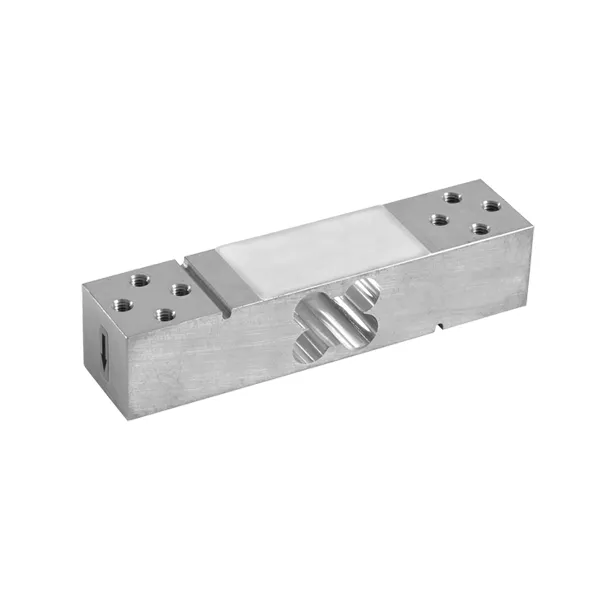
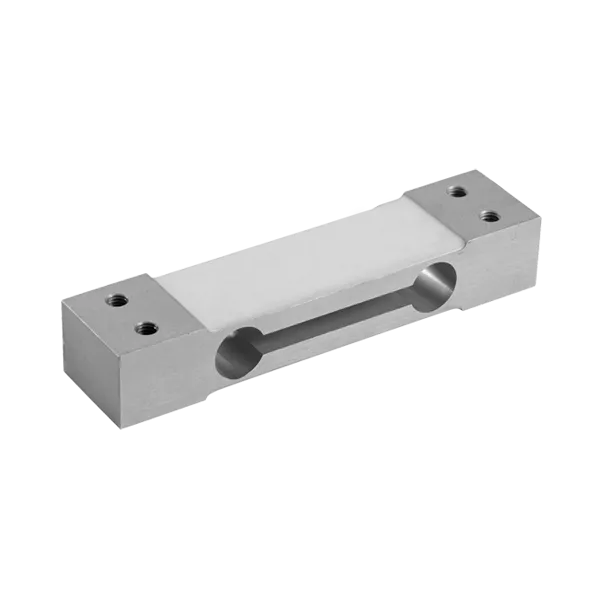
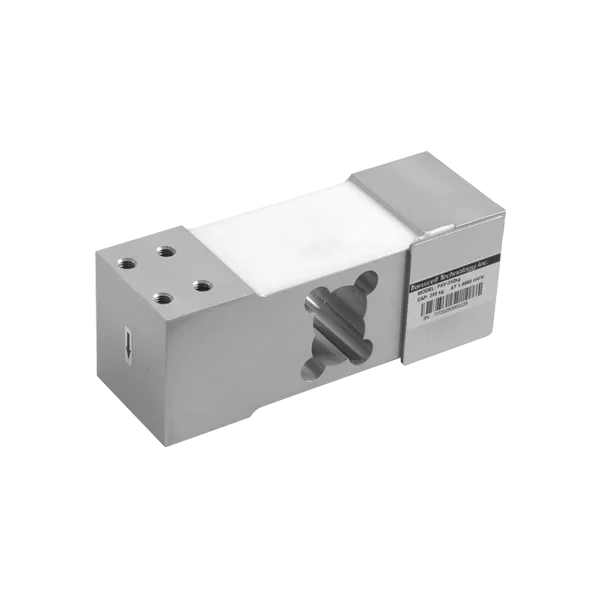
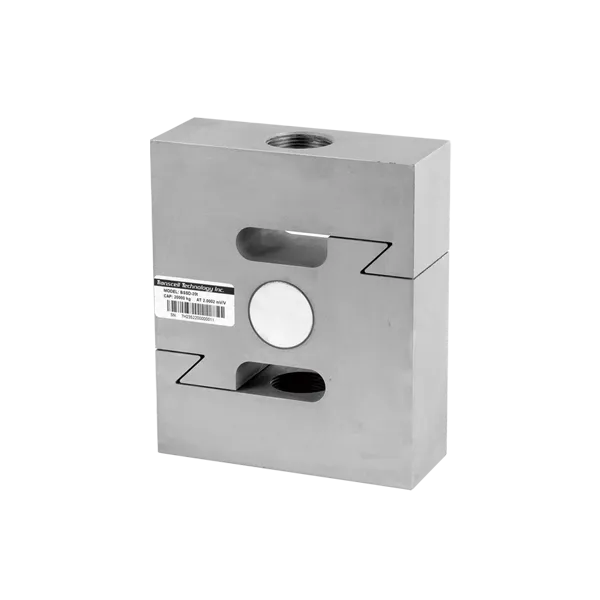
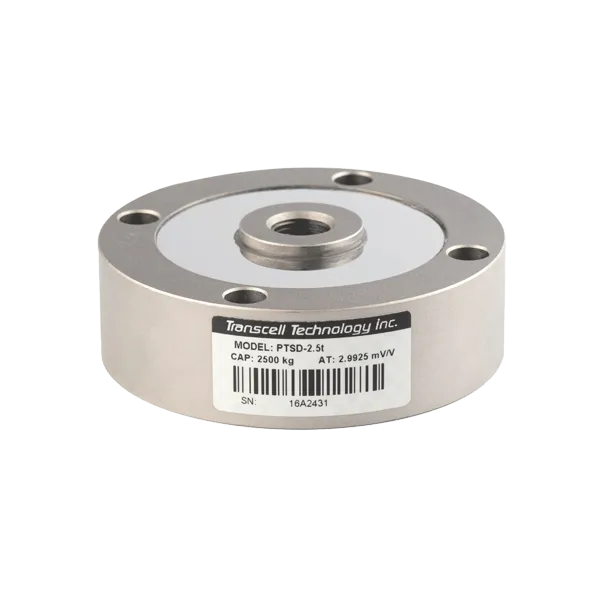
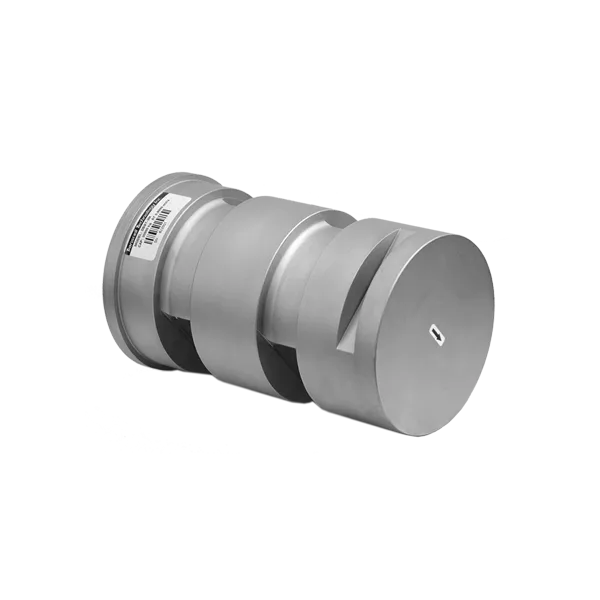
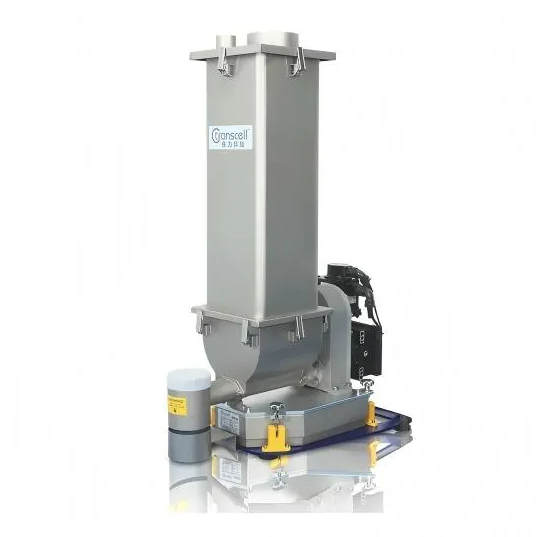
The material hopper is mounted on high-precision load cells. The controller reads the hopper weight continuously—typically at sampling rates of 10–100 times per second. The controller calculates the actual weight-loss rate (kg/h or g/h) by comparing successive weight readings over a defined time window. This actual rate is compared with the target feed rate setpoint. If the actual rate is below target, the controller increases screw speed, vibration frequency, or pump output. If the actual rate is above target, it reduces the output. This correction happens continuously, in real time, without operator intervention.
The refill management challenge:
During hopper refill, the weight signal is temporarily disrupted by the incoming material. A well-designed loss-in-weight controller manages this transition by switching to volumetric mode during refill—maintaining the last known screw speed—and returning to gravimetric control once the refill is complete and the weight signal has stabilized. The quality of this transition management directly affects the accuracy of the system during high-frequency refill cycles.
Feeder type selection:
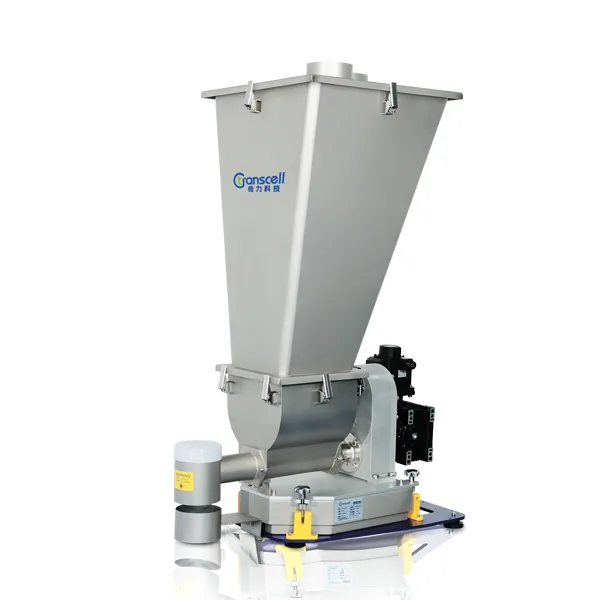
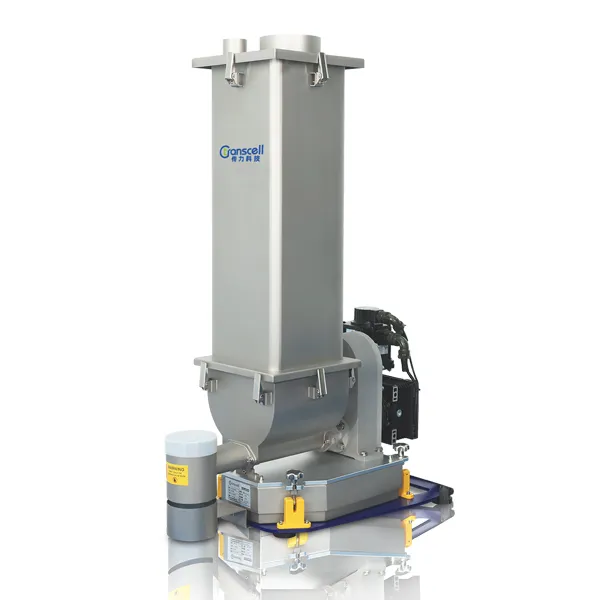
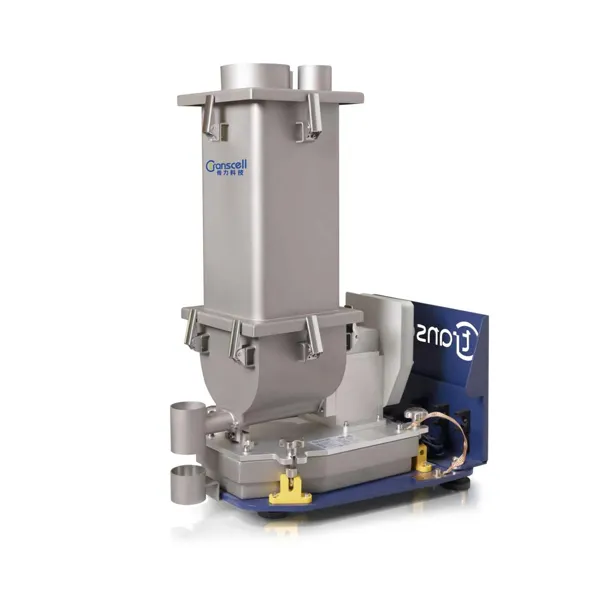
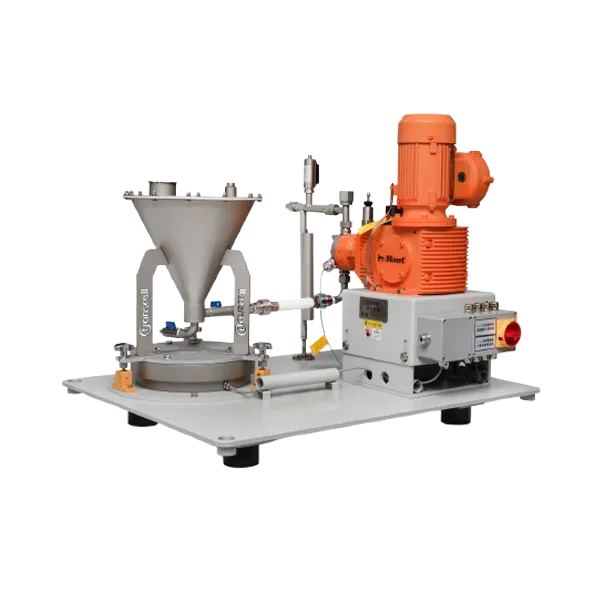
Transcell offers multiple loss-in-weight feeder configurations to match different material characteristics:
Single screw: for free-flowing powders, granules, and pellets
Double screw: for cohesive, bridging, or poorly flowing powders that require mechanical agitation
Micro feeder: for low feed rates and high-value micro-additives where dosing precision at gram-per-hour levels is required
Vibrating feeder: for fragile materials, flakes, or irregular particles that cannot tolerate screw contact
Liquid feeder: for liquid additives, binders, and solutions requiring gravimetric flow control
Matching the feeder type to the material's flow behavior is as important as the load cell accuracy—a high-precision sensor on a poorly matched screw design will not deliver the accuracy that the financial model requires.
Key Specifications for Selecting a Loss in Weight Feeder
Converting the ROI model into a real procurement decision requires matching the feeder specification to the material, production rate, and integration requirements.
Material Characterization (Critical First Step)
| Parameter | What to Measure | Why It Matters |
|---|
| Material type | Powder, granule, pellet, fiber, liquid | Determines feeder mechanism |
| Bulk density | kg/m³ and variation range | Affects hopper sizing and control stability |
| Particle size | D50, D90, size distribution | Affects screw clearance and bridging risk |
| Flowability | Angle of repose, Carr index, Hausner ratio | Determines screw design and agitation requirement |
| Moisture content | % and variation range | Affects bulk density stability and bridging |
| Abrasiveness | Hardness, particle shape | Affects screw and liner material selection |
| Stickiness | Adhesion tendency | Affects cleaning design and screw geometry |
System Specification Checklist
Target feed rate: confirm minimum, nominal, and maximum kg/h or g/h—this determines feeder size and motor/control range
Accuracy target: ±0.5% is achievable for most free-flowing materials; tighter targets require micro-feeder design and controlled installation conditions
Hopper volume: sized to match refill frequency and line continuity requirements—larger hoppers reduce refill frequency but increase the weight of the system
Refill method: manual, vacuum conveying, pneumatic transfer, or upstream hopper—affects continuous operation and refill transition management
Load cell specification: sensor resolution, temperature drift coefficient, vibration resistance, and calibration interval directly determine long-term accuracy
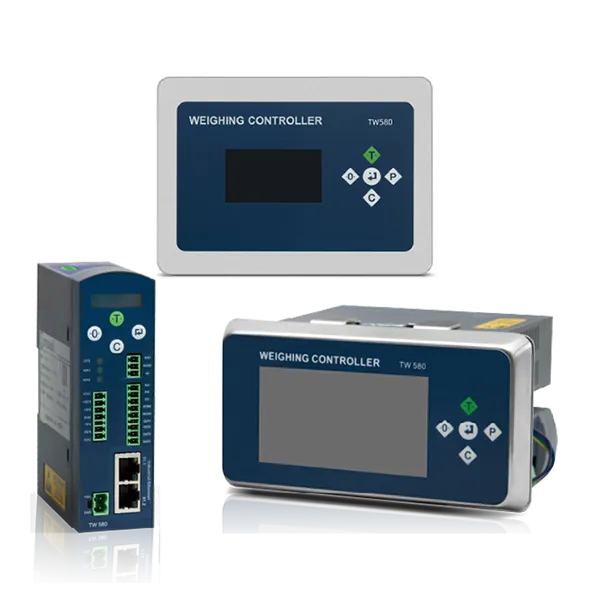
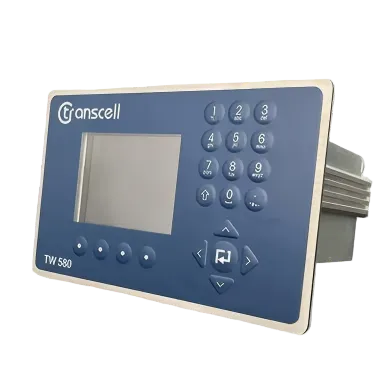
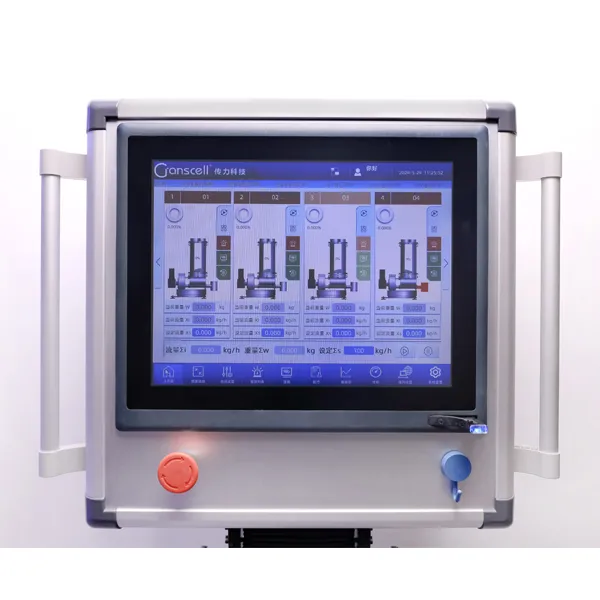
Control system: PLC integration, HMI display, communication protocol (Modbus, Profibus, EtherNet/IP), and data logging capability for production records
Cleaning design: quick-release connections, stainless steel contact surfaces, and sanitary design for food, pharmaceutical, and multi-product applications
Environmental conditions: dust level, humidity, ambient temperature, and vibration from adjacent equipment—all affect weighing stability
Transcell's quality control process includes incoming material verification, dimensional and performance inspection, in-process assembly and performance checks, and finished-product verification—a manufacturing quality standard that directly supports the long-term accuracy and reliability that the ROI model depends on.
Application Scenarios, Installation Workflow, and TCO: Where the Investment Pays Back Fastest
Best-Fit Application Scenarios
Modified Plastics and Compounding Masterbatch, pigments, flame retardants, stabilizers, and processing aids are typically the most expensive components in a compounding formulation. A 2% over-feed of a flame retardant at USD 6,000/ton on a 5,000-ton annual production line represents USD 60,000 of unnecessary material cost per year. Loss-in-weight feeding on each additive stream converts this waste into recoverable margin.
Chemical Production Catalysts, specialty powders, binders, and fine chemicals often have high unit costs and strict ratio requirements. Volumetric feeding drift in chemical production creates both material waste and quality risk—off-ratio batches may require rework or disposal. Loss-in-weight control eliminates both costs simultaneously.
Food Processing Sugar, salt, vitamins, flavoring powders, and functional ingredients in food production are subject to both cost pressure and regulatory dosing requirements. A loss-in-weight feeder ensures that expensive functional ingredients are dosed accurately—neither wasted through over-feeding nor under-dosed in a way that creates compliance risk.
Battery and New Energy Materials Conductive additives, binders, and electrode powders in lithium battery production require extremely stable feed ratios to maintain electrochemical performance consistency. The unit cost of battery-grade materials makes even small over-feeding economically significant, and the quality sensitivity makes under-feeding unacceptable. Loss-in-weight feeding is the standard approach for battery material production lines.
Pharmaceutical and Nutraceutical Production High-value active ingredients and excipients in pharmaceutical and nutraceutical production require dosing accuracy that volumetric systems cannot reliably provide. Loss-in-weight feeding supports both the accuracy and the audit trail that regulated production environments require.
Installation and Selection Workflow
Characterize the material fully before specifying the feeder—bulk density, flowability, moisture, particle size, and abrasiveness all affect the design
Define the feed rate range (minimum, nominal, maximum) and the accuracy target
Select the feeder type based on material flow behavior: single screw for free-flowing, double screw for cohesive, micro for low rates, vibrating for fragile materials, liquid for solutions
Size the hopper to match refill frequency and line continuity requirements
Configure the control system for PLC integration, communication protocol, and data logging
Test with real material before bulk production—material behavior in the actual feeder often differs from laboratory characterization
Establish calibration and maintenance schedule based on material abrasiveness, production hours, and accuracy requirements
Maintenance and TCO Advantages
Reduced calibration frequency from high-stability load cells and robust control algorithms lowers the maintenance labor cost and production interruption associated with frequent recalibration. Transcell's sensor technology is designed for long-term stability in industrial environments—reducing the calibration burden that erodes the TCO advantage of less robust systems.
Lower operator intervention from closed-loop automatic correction reduces the labor cost of manual feeder adjustment and the quality risk of operator-dependent feeding accuracy.
Faster troubleshooting from intelligent control data—the controller's feed rate history, deviation records, and alarm logs provide the diagnostic information needed to identify and resolve feeding problems quickly, reducing downtime duration.
Transcell's after-sales support includes a 400 hotline, commissioning engineers, response within 30 minutes, solution within 8 hours, and on-site service within 24 hours where applicable—a service commitment that reduces the operational risk of equipment downtime in continuous production environments.
Conclusion
The financial case for a loss in weight feeder is straightforward: the difference between 0.5% gravimetric accuracy and 2–5% volumetric drift, applied to the annual consumption of expensive additives, generates raw material savings that typically pay back the investment within 12–24 months and continue delivering returns for the full equipment service life. For plants using high-cost additives, specialty chemicals, battery materials, or pharmaceutical ingredients, the question is not whether a loss-in-weight feeder pays back—it is how quickly. Transcell's sensor-driven loss-in-weight feeding systems support continuous metering, multiple feeder configurations, quality-controlled manufacturing, and responsive technical service for industrial production lines across modified plastics, chemical, food, new energy, and pharmaceutical applications.
Visit the Transcell Loss in Weight Feeder product page to request a recommended feeder configuration and quotation.
Please submit the following details for an accurate recommendation:
Work condition: Industry, material name, powder or granule or liquid, bulk density, moisture content, flowability, dust level, ambient temperature
Quantity: Number of production lines, feeders needed, annual material consumption
Size/spec: Target feed rate (kg/h or g/h), hopper size, screw type, refill method, installation space, control interface and communication protocol
Target metrics: Feeding accuracy target, raw material savings goal, production stability requirement, calibration interval target, integration with existing PLC or EMS
Current problems: Over-feeding, unstable formula ratio, material waste, frequent calibration, bridging or poor flow, high scrap rate, production downtime from feeder issues
FAQ
1. What is a loss in weight feeder?
A gravimetric feeder that continuously measures the weight loss of material from a hopper mounted on load cells and automatically adjusts feeding speed to maintain the target feed rate. Unlike volumetric feeders, it measures actual mass output rather than inferring it from mechanical displacement—providing closed-loop accuracy that is independent of bulk density variation, moisture changes, or powder flow behavior.
2. Loss-in-weight feeder vs. volumetric feeder: which is better?
A volumetric feeder is simpler and lower cost, and it is appropriate for low-cost, stable-density materials where feeding accuracy is not a significant financial or quality driver. A loss-in-weight feeder is the better choice when the material is expensive, when bulk density or flowability varies, when formulation accuracy directly affects product quality, or when the annual raw material savings from reduced over-feeding justify the investment—which is the case for most continuous production lines using specialty additives.
3. What is the ROI of a loss in weight feeder?
ROI comes primarily from reduced over-feeding of expensive raw materials. Using the model in this article: a plant producing 10,000 tons per year with a 5% additive at USD 3,000/ton can save USD 22,500–67,500 per year by switching from 2–5% volumetric drift to 0.5% gravimetric accuracy. Additional ROI comes from lower scrap and rework, reduced operator adjustment labor, fewer calibration events, and faster troubleshooting through control system data. Payback is typically 12–24 months for high-value additive applications.
4. Does a loss-in-weight feeder require production line modification?
Some integration work is typically required: feeder mounting and structural support, refill connection (manual, vacuum, or pneumatic), control signal wiring to the PLC or EMS, material discharge alignment with the process line, and communication protocol configuration. The scope of modification depends on the existing line layout and the refill method selected. Transcell's commissioning engineers support the integration process to minimize installation complexity and downtime.
5. What parameters are needed for correct selection and quotation?
Material type and name, bulk density and variation range, moisture content, particle size, flowability characteristics (free-flowing, cohesive, bridging tendency), target feed rate (minimum, nominal, maximum), accuracy target, production hours per day, refill method, hopper size requirement, installation space constraints, control system and communication protocol, and current feeding problems such as over-feeding, bulk density variation, bridging, or poor flow consistency.
 CN
CN