Flame-retardant modification is one of the most common directions in plastic modification. Various flame retardants can be added to plastic products, textiles, building insulation materials, upholstered furniture, and children's products to help reduce the occurrence of fires and enhance product fire performance. However, during actual production, feeding flame retardants often encounters the following problems:
1. Difficulty in feeding
The feeding proportion of flame retardants ranges from about 5% to 30%. Due to the different properties of various organic and inorganic flame retardants, their powder flowability also varies, making feeding inherently difficult.
2. Easy bridging and easy agglomeration
The particle size of flame retardants has a certain influence on the flame-retardant effect: the smaller the particle size, the better the effect. Therefore, many factories use flame retardants with an average particle size of around 1 μm or even smaller, which increases the risk of bridging and agglomeration.
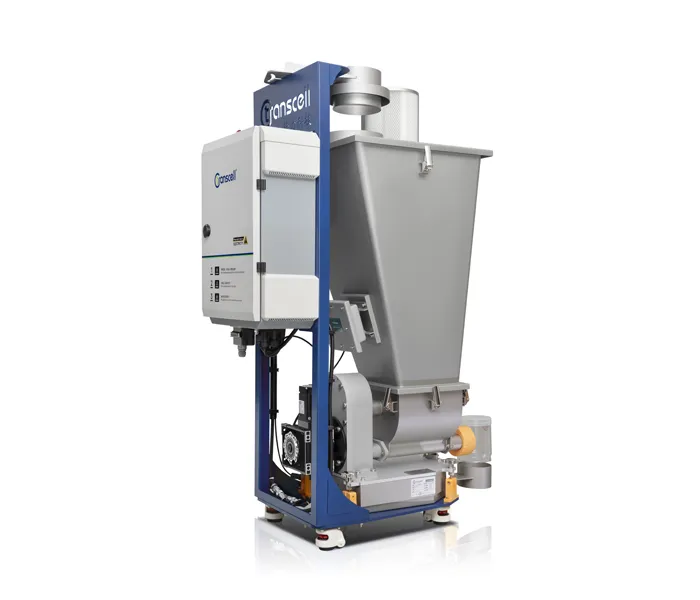
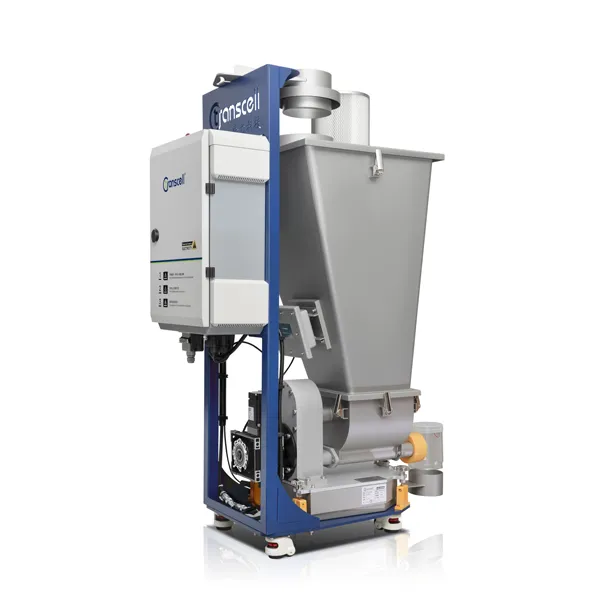
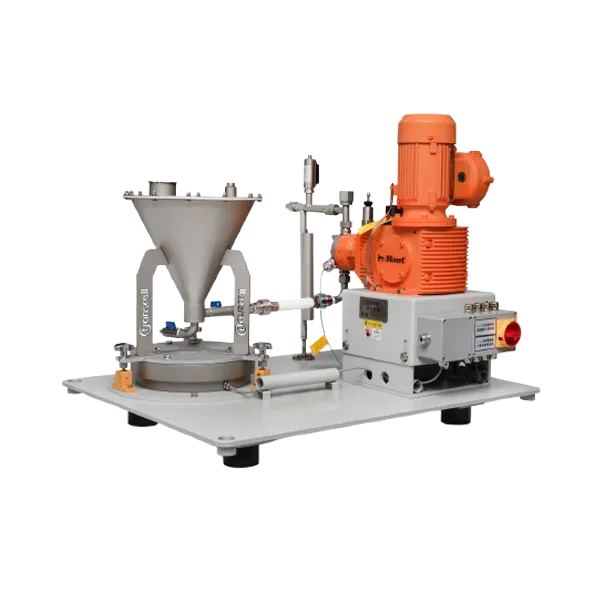
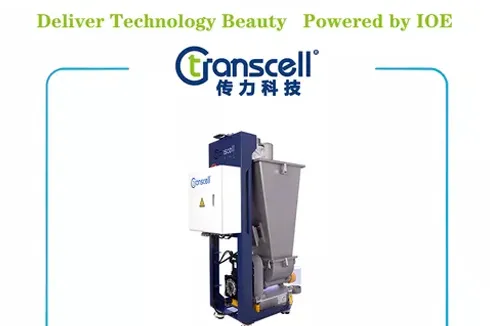
Single screw loss-in-weight feeder | Source: Transcell Technology
3. Easy degradation after feeding and conveying
Some flame retardants have a low melting point and require side-feeding technology.
4. Moisture absorption and corrosion
Certain external factors can reduce the performance of flame retardants, thereby affecting their use – such as moisture and carbon dioxide in the air, acidic foreign impurities, or those containing ammonium salts. Moreover, some flame retardants, especially halogen-containing ones, tend to corrode equipment materials, affecting service life.
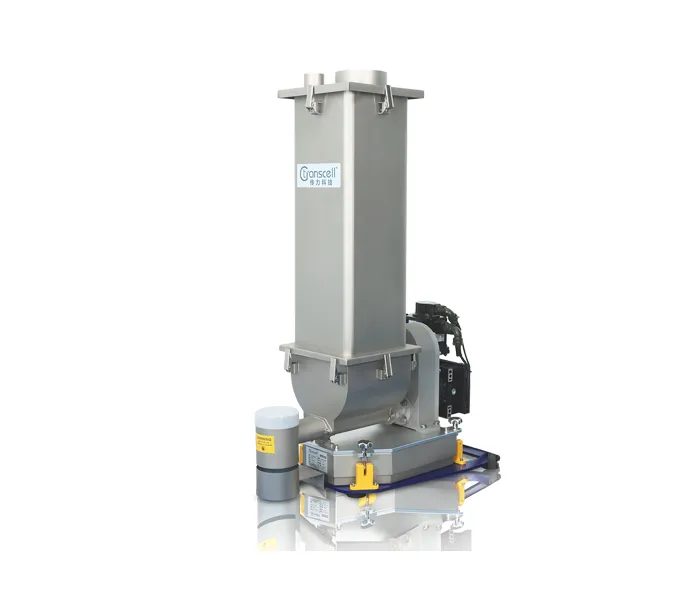
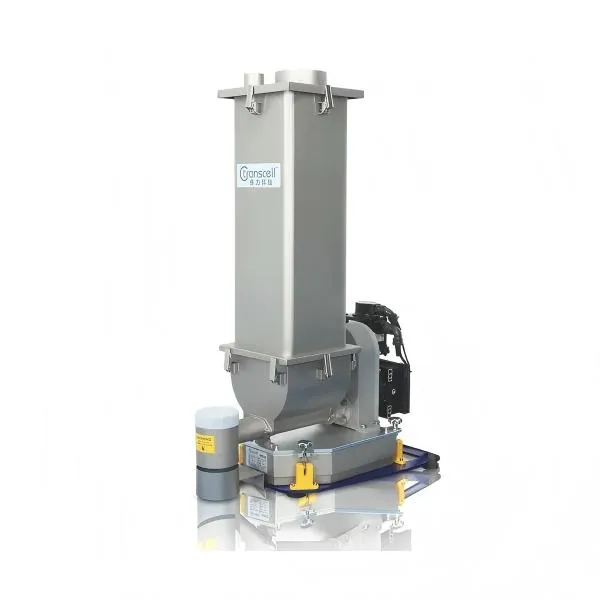
Double screw loss-in-weight feeder | Source: Transcell Technology
Solutions
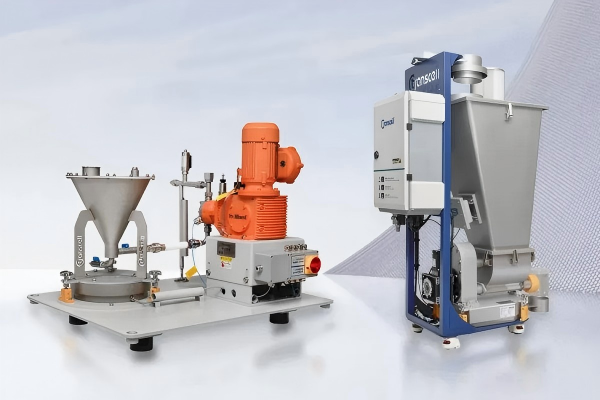
Loss-in-weight feeder manufacturers have accumulated extensive expertise and a wide range of feeding technology options to address the many challenges that may arise in plastic extrusion processes. Different bulk solids exhibit vastly different flow behaviors depending on material properties or geometry. No single loss-in-weight feeder design or size can handle all materials with different characteristics.
Various screw sizes and hopper shapes are available to suit the feed rates required by different material characteristics. If a reliable feeding device is not selected, the integrity of any formulation – and ultimately the final product – will be affected. Below are some conventional solutions.
1. Hopper coating treatment to avoid adhesion
By spraying PTFE on the inner wall of the hopper, the probability and amount of material sticking to the hopper inner wall are reduced.
2. Vertical material discharge whenever possible
A vertical hopper allows material to reduce the probability of bridging without the need for vertical agitation.
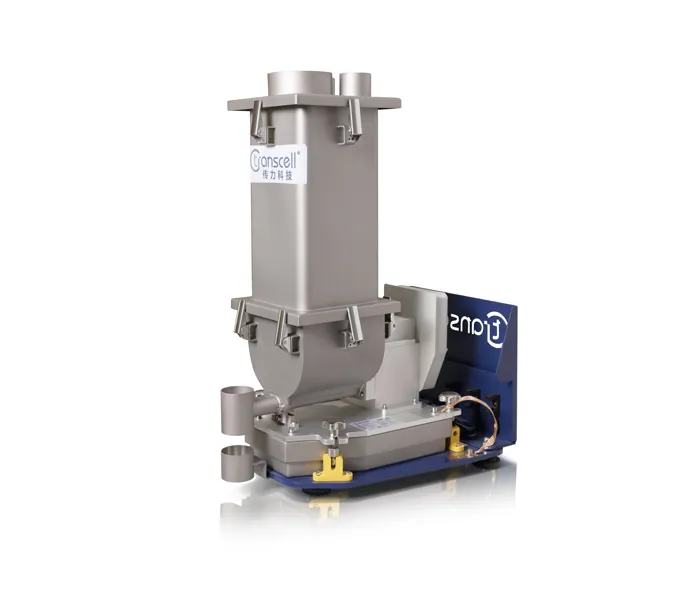
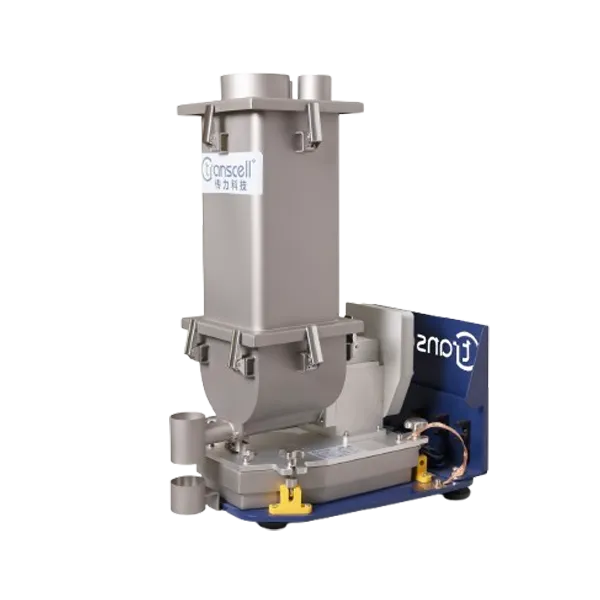
Micro loss-in-weight feeder | Source: Transcell Technology
3. Maintain sealing to prevent moisture absorption
This is typically achieved by introducing nitrogen to create a slight positive pressure inside the hopper, thereby preventing moisture absorption.
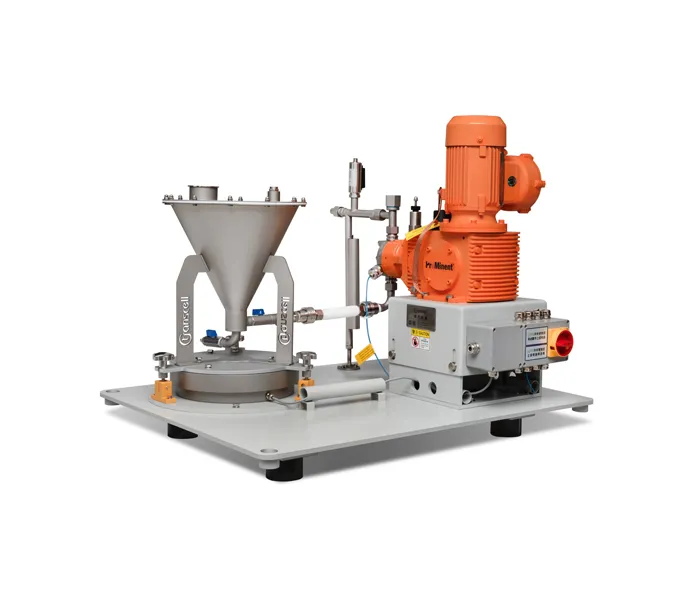
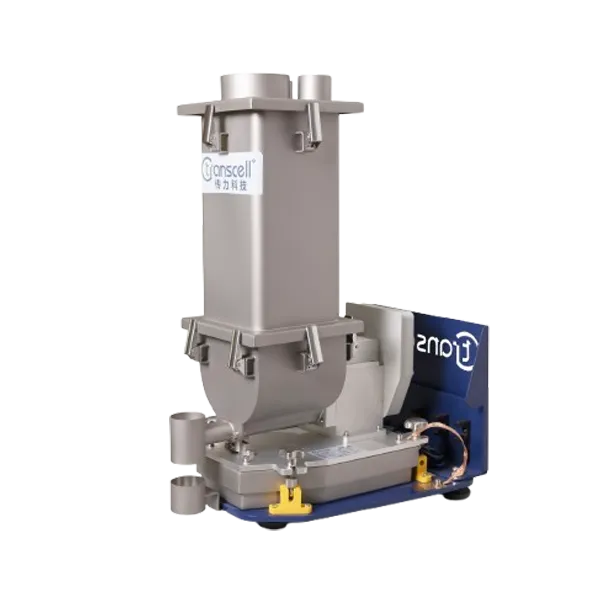
Liquid loss-in-weight feeder | Source: Transcell Technology
4. Reduce static electricity; use air knockers to assist discharge
For materials that are particularly sticky and prone to agglomeration, adding a vibrating air knocker on the hopper can help prevent bridging. However, efforts must be made to minimize the impact of vibration on accuracy.
Changzhou Transcell Technology Co., Ltd. is a technology company integrating R&D, design, production, sales, and service. We develop professional solutions based on material characteristics, covering feeding, conveying, weighing, blending, and packaging in one integrated package. Changzhou Transcell Technology has one of the most advanced material testing laboratories in China, with test data from thousands of materials. For unusual or difficult materials, you can contact Transcell Technology to arrange a material test.
To learn more about various loss-in-weight feeders, as well as metering and batching solutions for solids and liquids, please contact us.
Tel: +86 519 85266918
 CN
CN