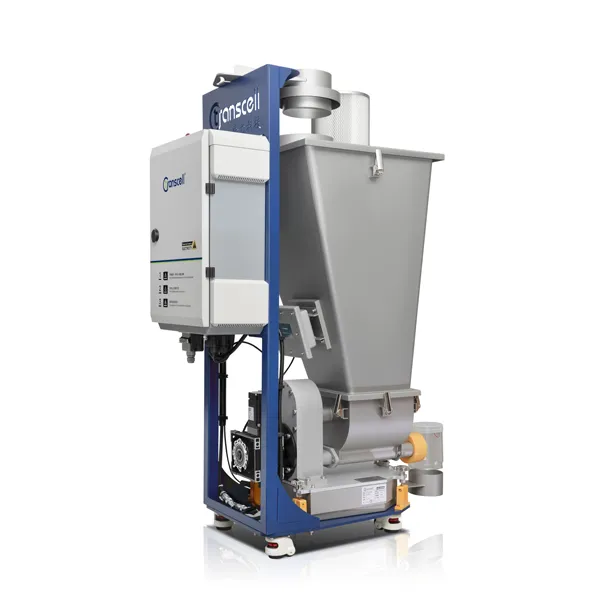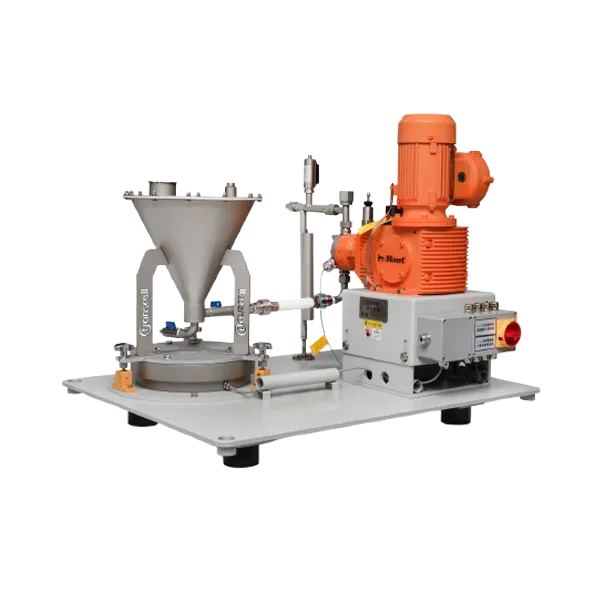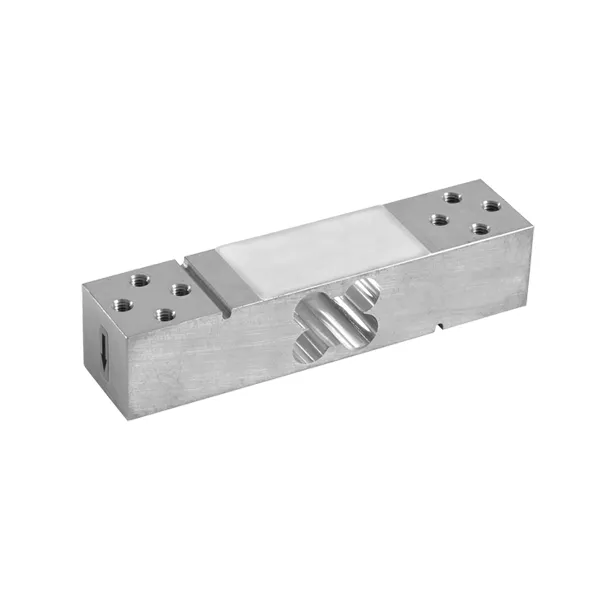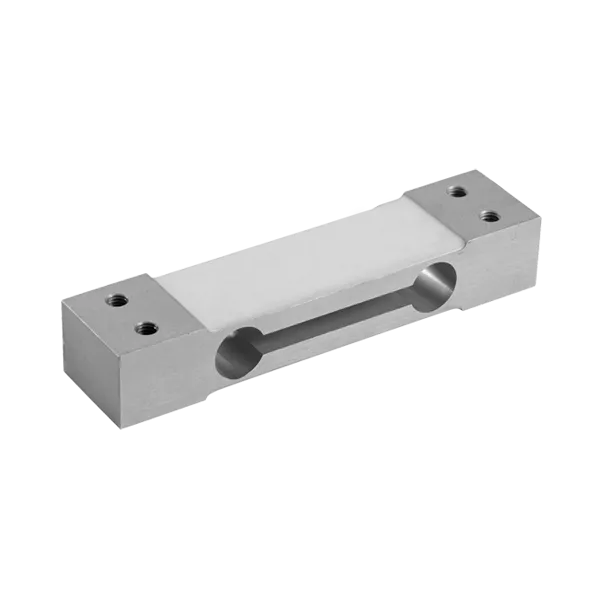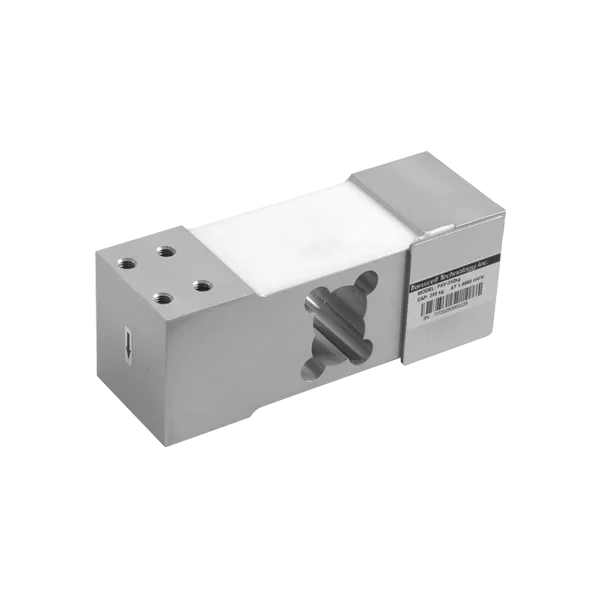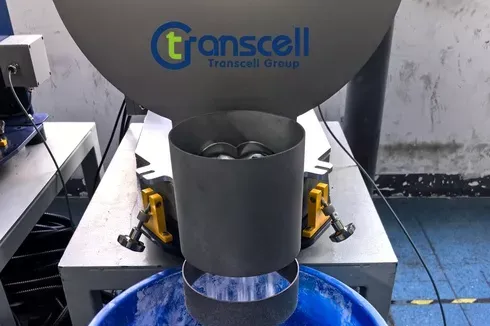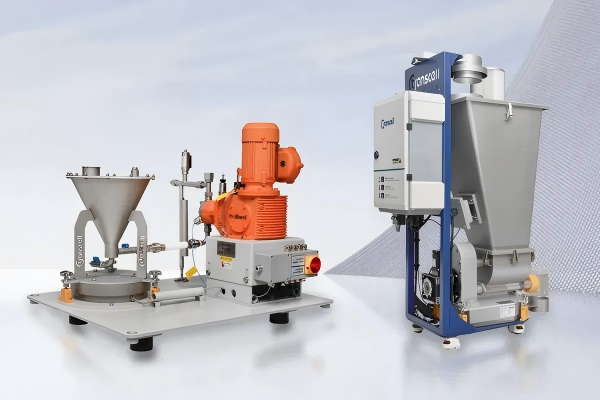
Loss-in-weight feeders are among the most important auxiliary equipment for extruders, and their importance has gained increasing attention over the past few years.
There are many types of feeding mechanisms for loss-in-weight feeders, including single screw, double screw, vibratory, liquid, belt, as well as rotary table and flow meter types. Selecting the right feeder structure based on different material characteristics is very important, because a poor choice may result in unsatisfactory accuracy or even make normal operation impossible.
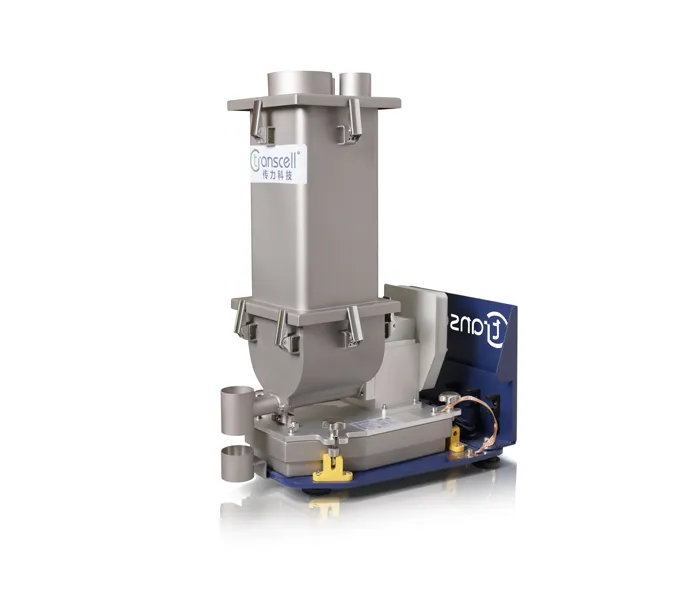
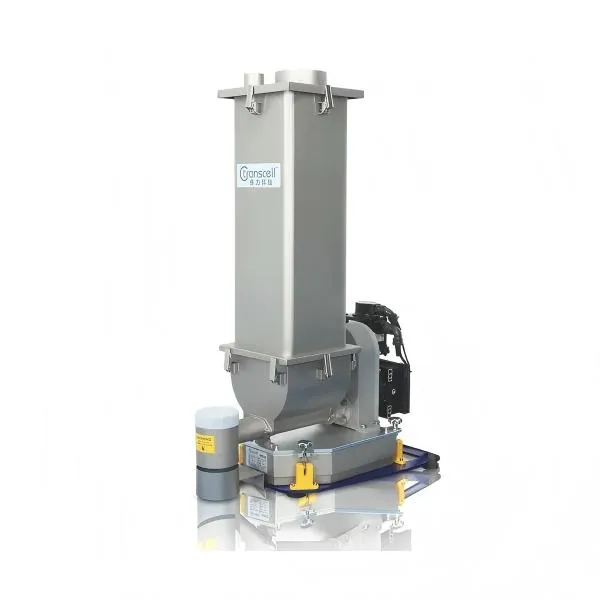
Micro screw loss-in-weight feeder | Source: Transcell Technology
Among the various feeding configurations, single screw and double screw are the most common types.
Single screw feeders can handle various pellets, free‑flowing powders, most powder‑pellet mixtures, chopped glass fiber, regrind, etc.
Double screw feeders can handle free‑flowing powders, poor‑flowing powders, most powder‑pellet mixtures, chopped glass fiber, etc.
Because of their simple structure, flexible models, easy disassembly/assembly, and accurate metering, screw feeders are the most widely used in the feeding industry.
Classification of Single Screws
Single screws mainly come in two forms: paddle‑type (bladed) screws and hollow spring screws.
In most domestic feeder manufacturers, paddle screws are made by welding prefabricated blades onto a screw shaft. This method can produce certain errors in the screw flight pitch, leading to uneven feeding. Moreover, the weld seams and slag cannot meet the requirements of the food and pharmaceutical industries.
In contrast, foreign single‑screw paddle screws are almost always manufactured using one‑piece forming technology, machined entirely on a lathe. This ensures consistent flight pitch and perfect concentricity, resulting in uniform material discharge, longer service life, and reduced material residue. Today, domestic companies such as Changzhou Transcell Technology have also begun using this one‑piece screw manufacturing technology.
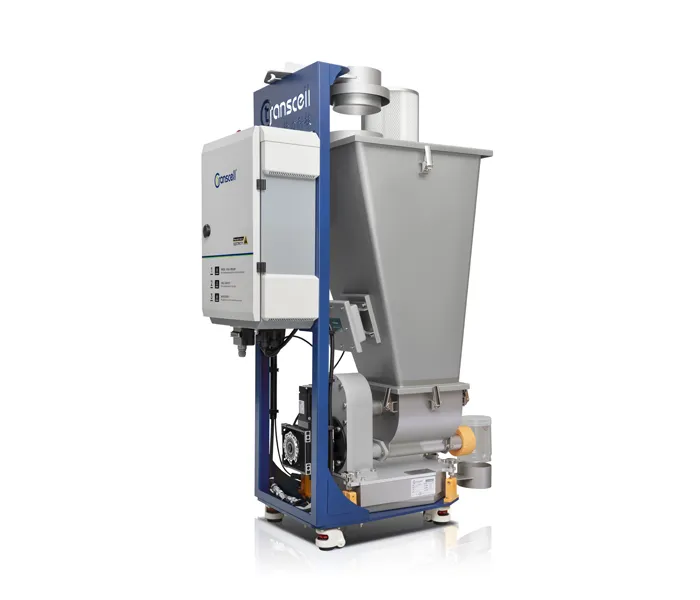
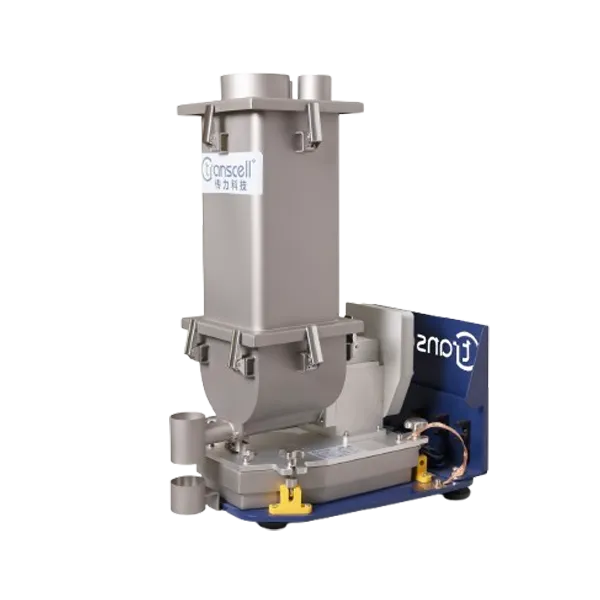
Single‑screw loss‑in‑weight feeder | Source: Transcell Technology
Feeding Rate of Single Screws
The three most important parameters for a single screw are: outer diameter, inner diameter, and pitch. These three parameters determine the feeding rate. The selection of the feed screw is determined by the required throughput of the material being fed. Theoretically, within a 1:10 feed range, performance is affected by feeder configuration and material characteristics.
The feeding rates below are based on tests with a free‑flowing material (PVC powder, bulk density 0.78 kg/dm³).
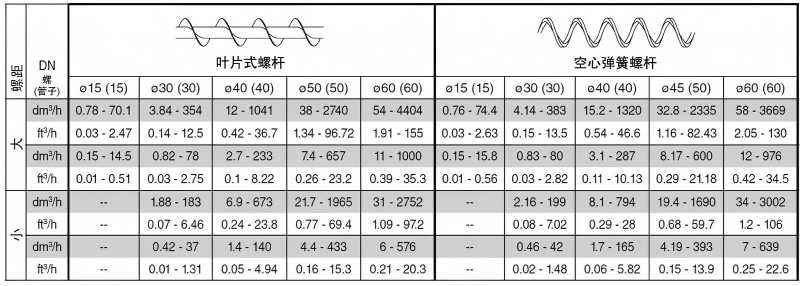
Note: Actual feed rate depends on the characteristics of each material. At high screw speeds, poor‑flowing powders may not reach the full capacity achievable with free‑flowing materials due to reduced screw fill. For feed rates above or below the theoretical range, please contact the Transcell test laboratory.
Classification of Double Screws
Double screws mainly come in three forms: self‑wiping screws, double paddle screws, and double spring screws.
Self‑wiping screws are almost always manufactured using one‑piece forming technology, machined entirely on a lathe.
Double paddle screws consist of two paddle screws. Different manufacturing processes (welded blades vs. one‑piece machined) produce significant differences in accuracy.
Double spring screws differ from hollow spring screws in that they have a fixed central shaft. This screw type is less commonly used.
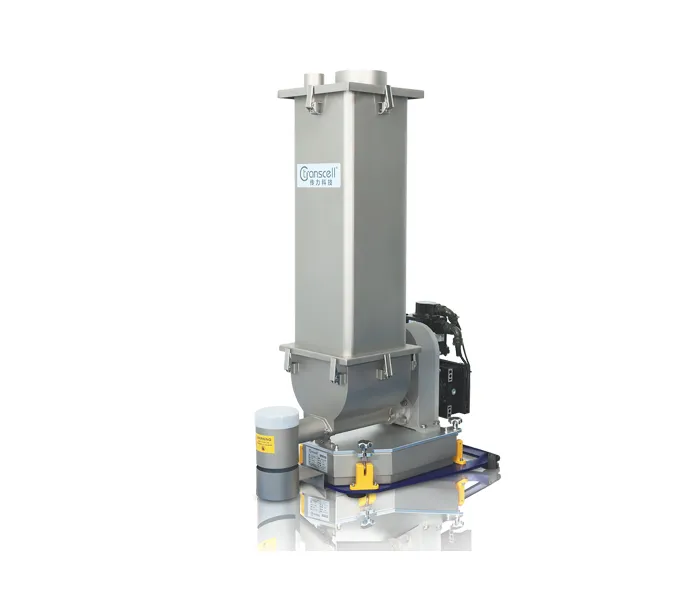
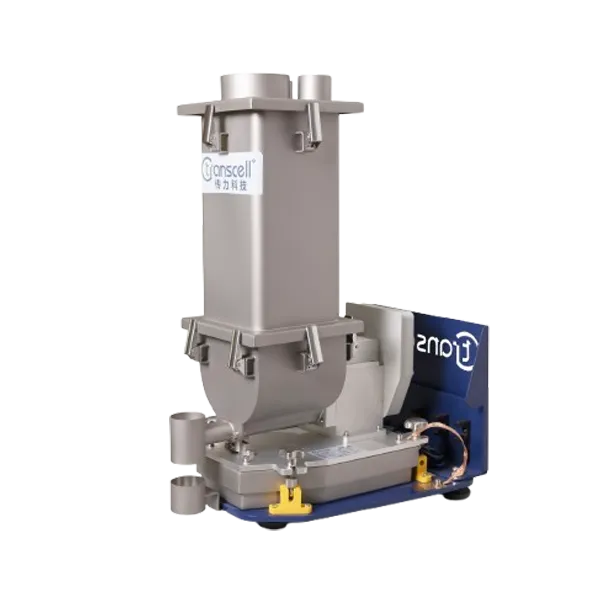
Double screw loss‑in‑weight feeder | Source: Transcell Technology
Feeding Rate of Double Screws
The three most important parameters for a double screw are: outer diameter, inner diameter, and pitch. These three parameters determine the feeding rate. The selection of the feed screw is determined by the required throughput of the material being fed. Theoretically, within a 1:10 feed range, performance is affected by feeder configuration and material characteristics.
The feeding rates below are based on tests with a free‑flowing material (PVC powder, bulk density 0.78 kg/dm³).
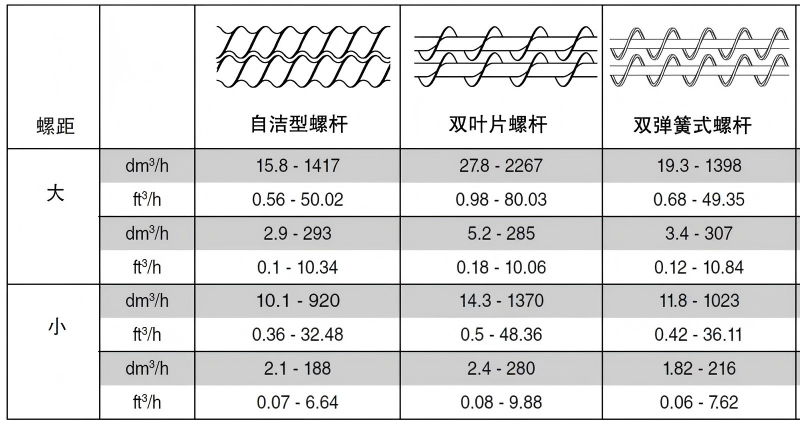
Note: Actual feed rate depends on the characteristics of each material. At high screw speeds, poor‑flowing powders may not reach the full capacity achievable with free‑flowing materials due to reduced screw fill. For feed rates above or below the theoretical range, please contact the Transcell test laboratory.
Screw Selection
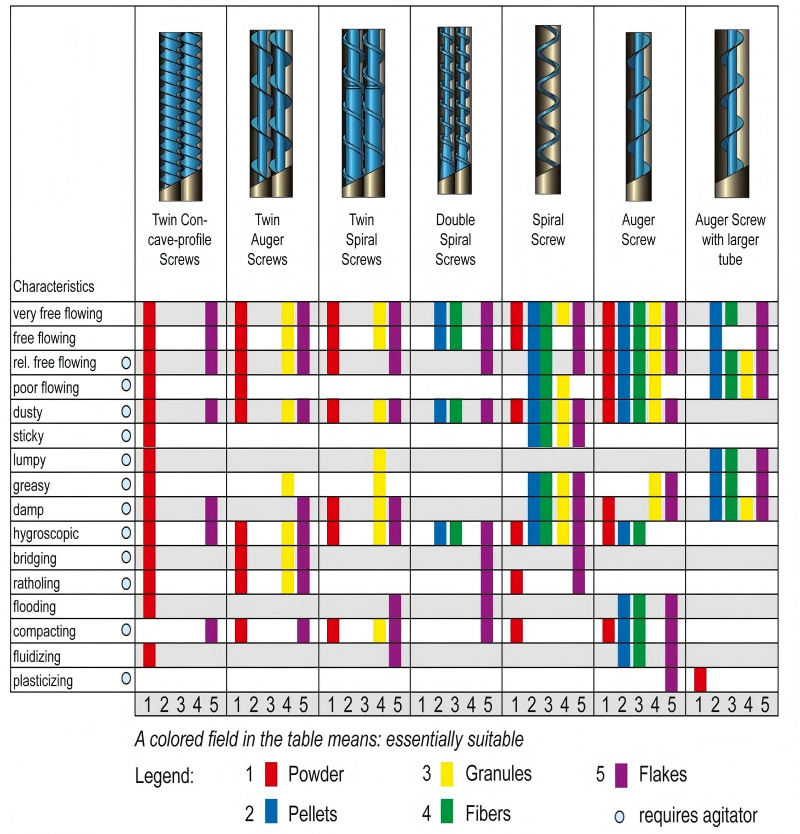
Different materials require different screw geometries. Although single screw and double screw feeders are quite versatile, choosing the most suitable screw type is essential to achieve the best feeding performance. The table below summarizes the suitability of different screw types for different materials.
Other Non‑Standard Screws
In addition to conventional screws, some specially designed screws are used for special materials or conditions – for example, variable‑diameter screws and screws with built‑in breaking/dispersing designs.
Also, some solid materials such as carbon fiber, large‑piece regrind, and expanded materials can be conveyed by screw feeders, but vibratory feeders often give even better results. Therefore, the most suitable feeder type must be chosen based on the specific material – this requires substantial material‑handling experience. Changzhou Transcell Technology has one of the most advanced material testing laboratories in China, with test data from thousands of materials. For unusual or difficult materials, you can contact Transcell Technology to arrange a material test.
Changzhou Transcell Technology Co., Ltd. is a technology company integrating R&D, design, production, sales, and service. We develop professional solutions based on material characteristics, covering feeding, conveying, weighing, blending, and packaging in one integrated package. We ensure the best system performance and maximum operational benefits for our customers.
To learn more about various loss‑in‑weight feeders, as well as metering and batching solutions for solids and liquids, please contact us.
Tel: +86 519 85266918
 CN
CN