In modern industrial production, the loss-in-weight feeder is a continuous feeding device capable of continuously adjusting the material conveying rate and measuring the throughput. To help you better understand loss-in-weight feeders and use them effectively in compounding and blending production, we have been publishing a series of technical articles.
From Design to Operation: Do You Know These Key Points About Loss-in-Weight Feeders?
Master Your Loss-in-Weight Feeder: 11 Common Troubleshooting Tips You Need to Know
Why Does Your Loss-in-Weight Feeder Fluctuate? A Veteran Technician Shares Maintenance Tips...
Why Can't You Get Good Results with Your Loss-in-Weight Feeder? The Veteran Technician Takes It Apart and Says: It's Simple!
Today, let's talk about the loss in weight feeder working principle, including how a loss-in-weight feeder completes its feeding process, and what requirements it has for materials.
How Does a Loss-in-Weight Feeder Complete Its Feeding Process?
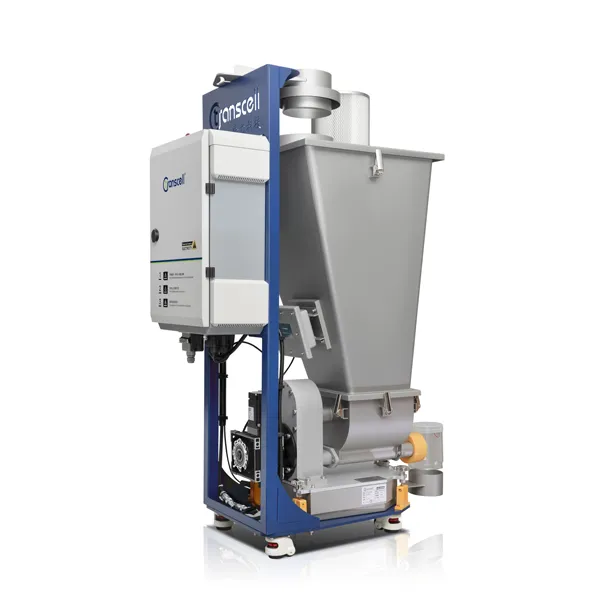
There are many types of loss-in-weight feeders, mainly including single screw feeder, double screw, and liquid loss-in-weight feeders. The feeding process can be divided into three steps:
During operation, the material in the weighing hopper gradually decreases. When the material drops to a set weight, the refill device automatically starts refilling. At this time, the feeder switches to a fixed‑speed mode. When the material increases to the set upper limit, refilling stops and the device automatically switches back to loss‑in‑weight mode.
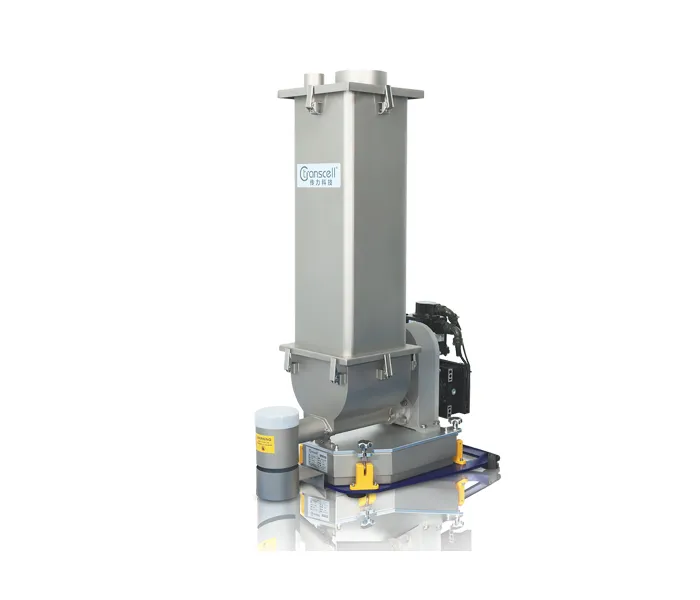
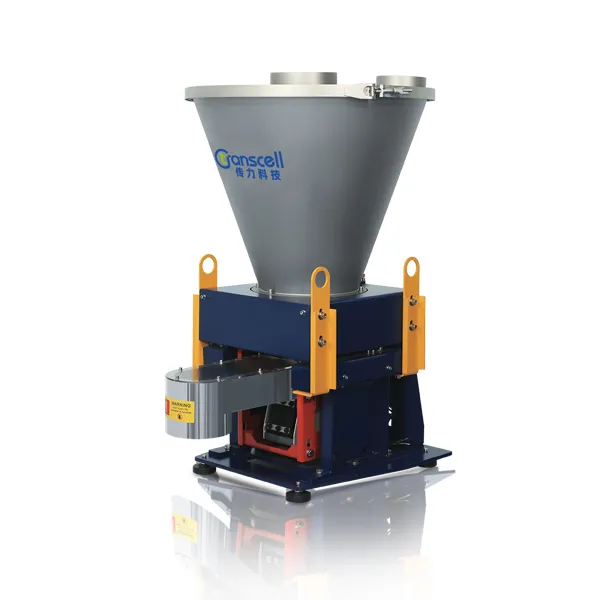
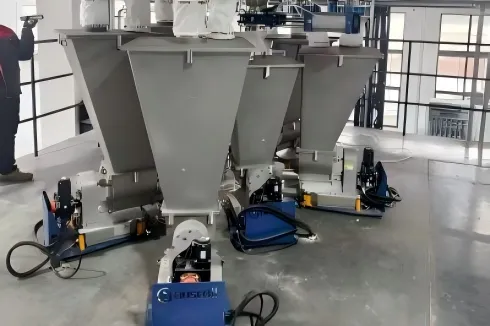
Double Screw Loss‑in‑weight Feeder | Source: Transcell Technology
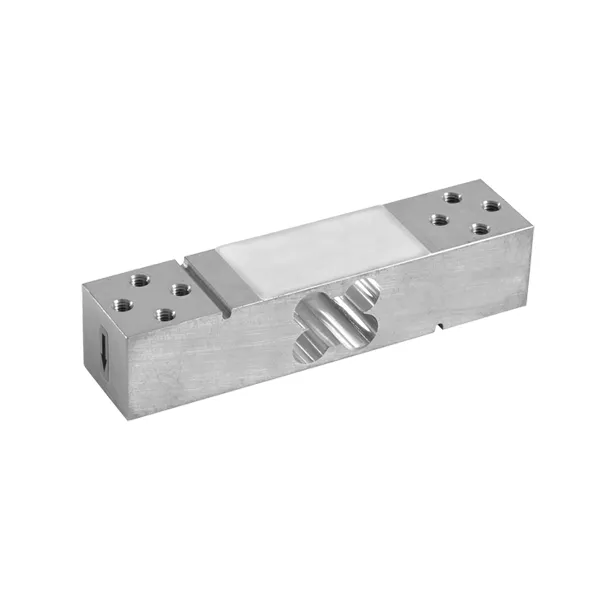
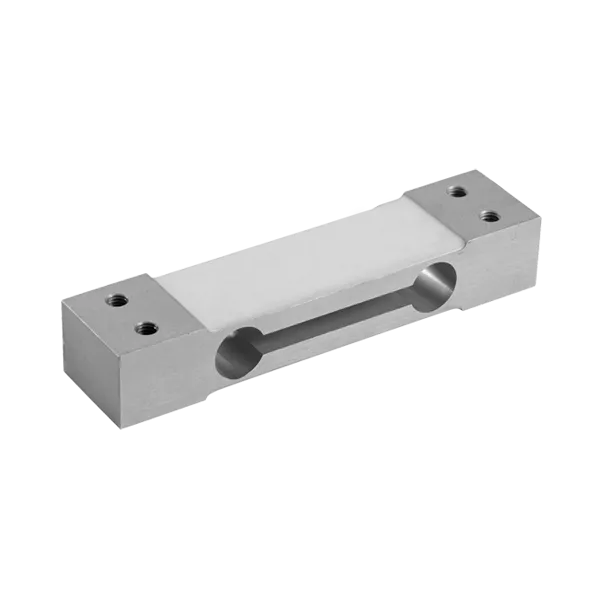
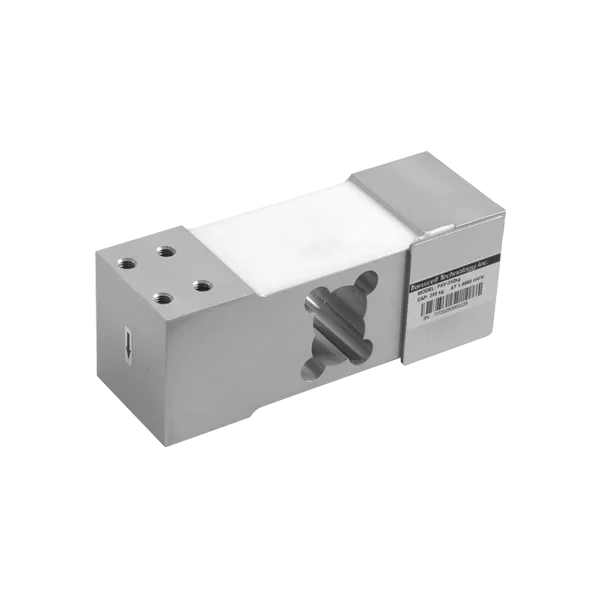
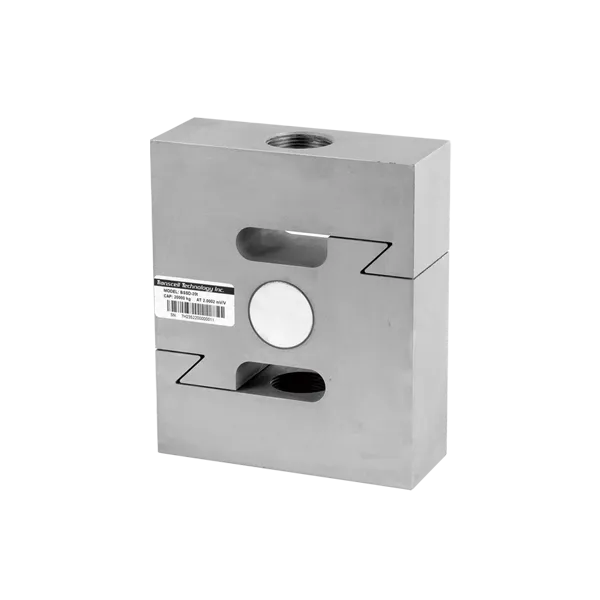
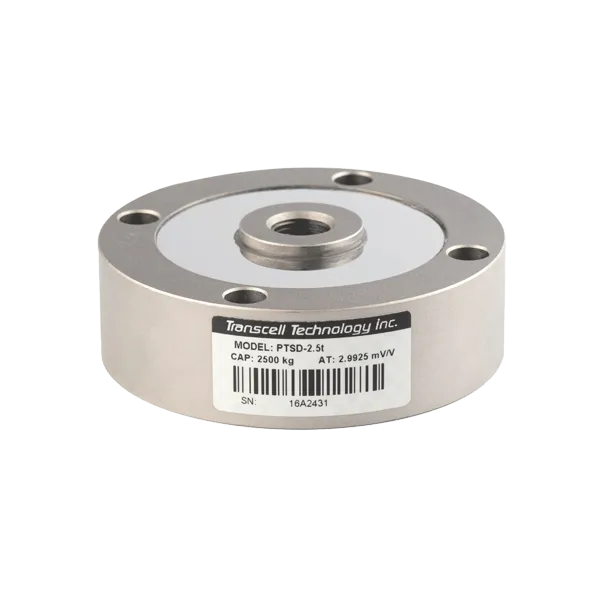
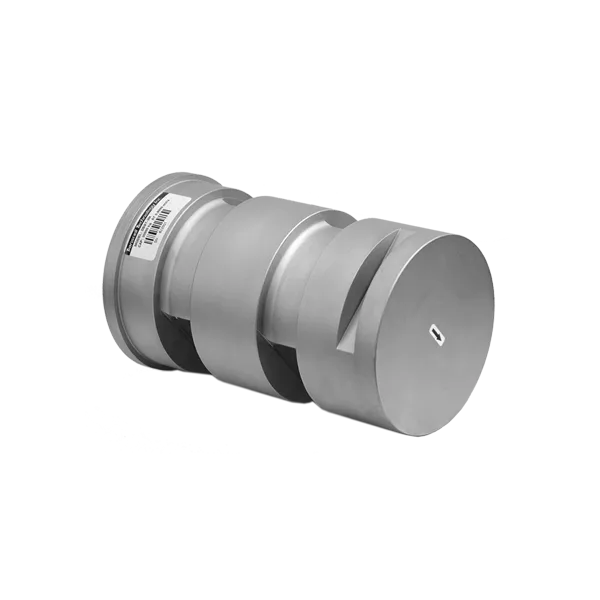
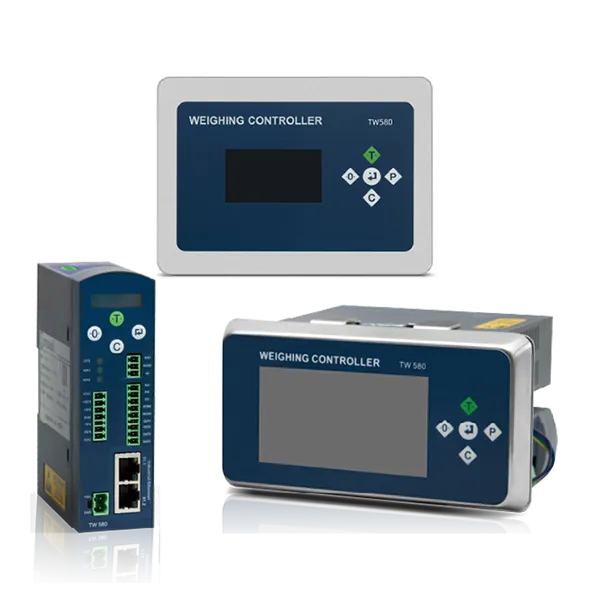
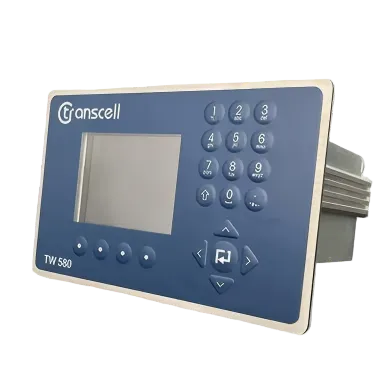
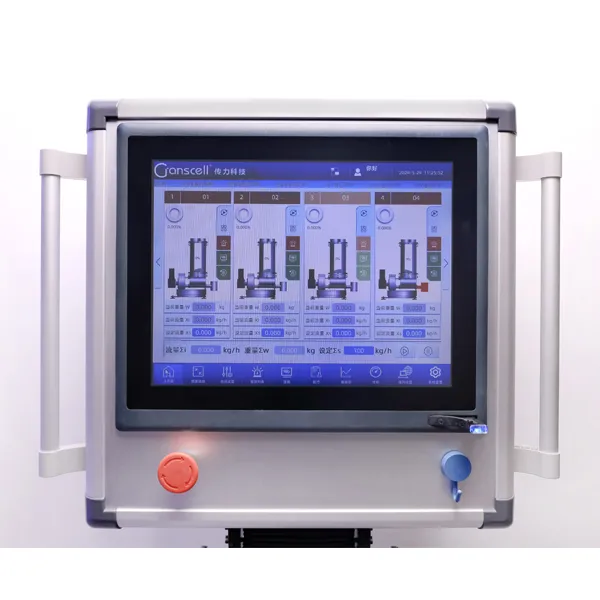
The load cell of the loss-in-weight feeder is connected to the weighing controller. It transmits every collected data point to the controller, which performs calculations. The results are shown on the display. Through the data shown on the display, you can directly monitor various parameters and also control the operating speed of the feeder in time.
During precise discharging, the dynamic weighing system collects data at high speed and calculates the mass loss over a certain period to determine the discharge rate and accuracy of the feeder.
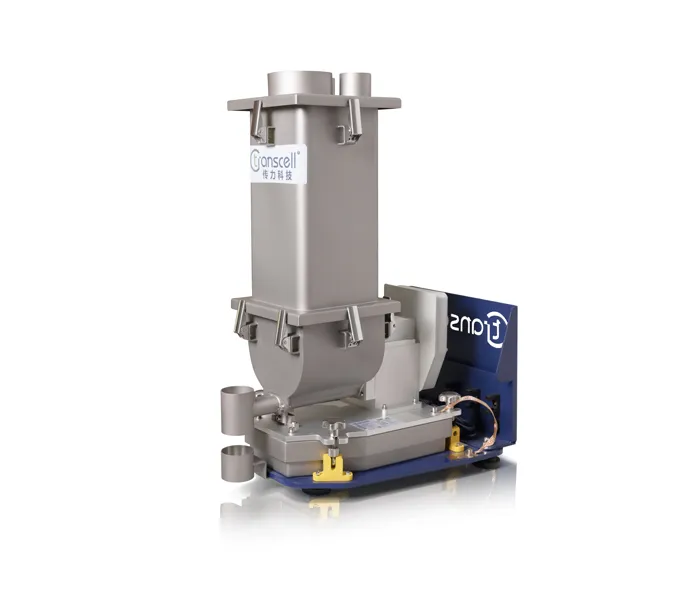
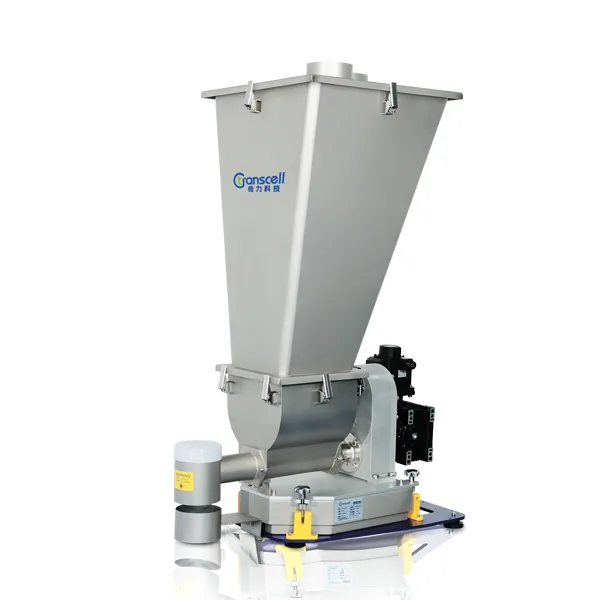
Micro Loss‑in‑weight Feeder | Source: Transcell Technology
What Requirements Does a Loss-in-Weight Feeder Have for Materials?
Loss-in-weight feeders as gravimetric feeders have very high requirements for metering accuracy, so their construction is designed specifically for high precision. For example, the system is sealed during operation – this both ensures high accuracy and prevents material from contaminating the environment. Such measures are directly related to the material. Loss-in-weight feeders are suitable for powder, granular, and liquid materials. These materials often have characteristics such as being prone to scattering, sticking, adsorption, or volatilization, so extra care is needed during processing to meet the requirements of different material characteristics.
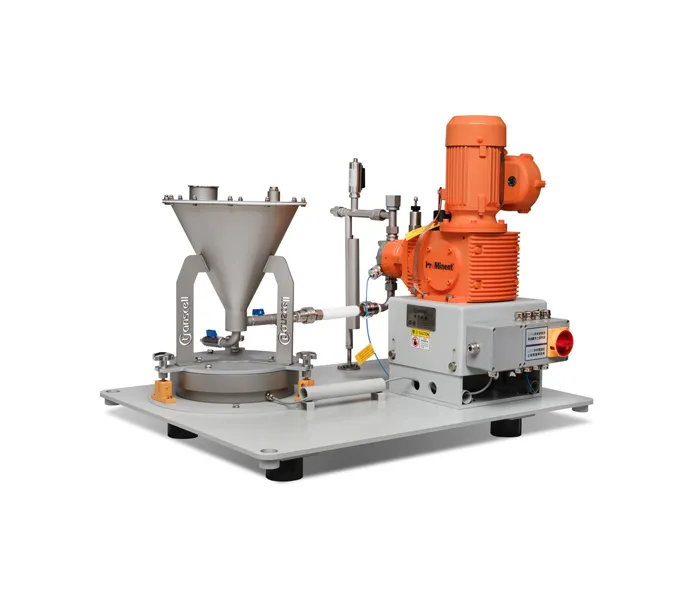
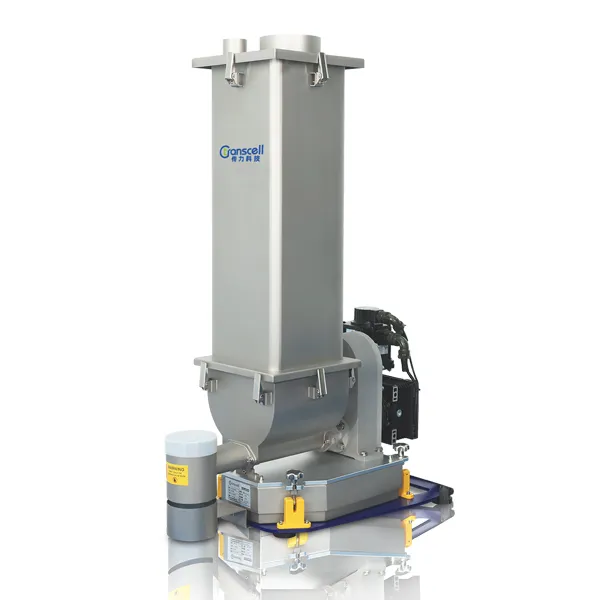
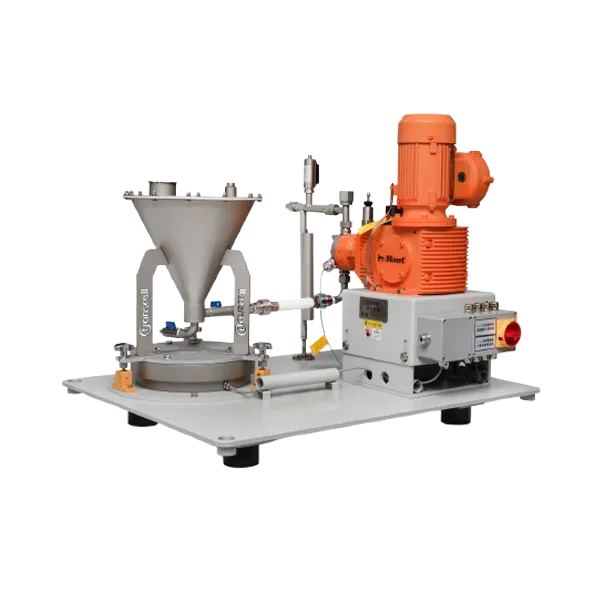
Liquid Loss‑in‑weight Feeder | Source: Transcell Technology
For chemical companies with special requirements, the loss-in-weight feeder system must also have explosion‑proof features to meet the requirements of plant construction and national safety regulations.
At Transcell Technology, the metering principle of loss-in-weight feeders combines static measurement with dynamic calculation. During use, a series of parameters and timing settings are applied. In actual production, when a possible deviation beyond tolerance occurs, the loss-in-weight feeder system from Transcell Technology is equipped with an alarm function to effectively prevent problems.
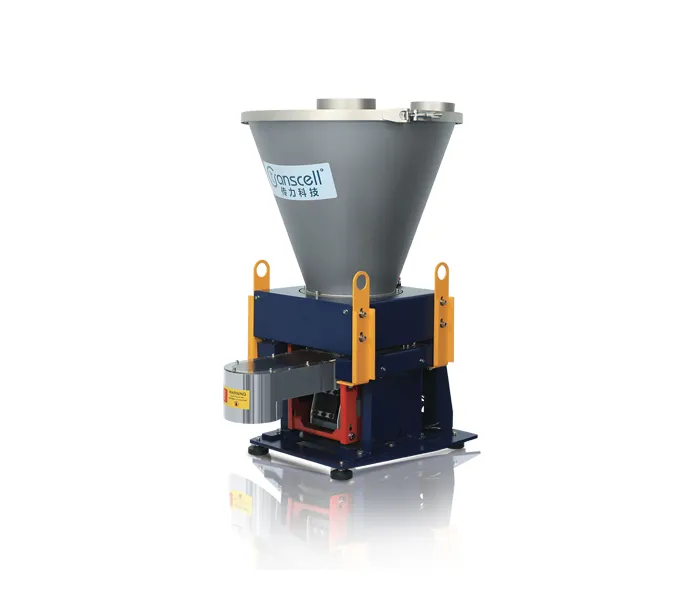
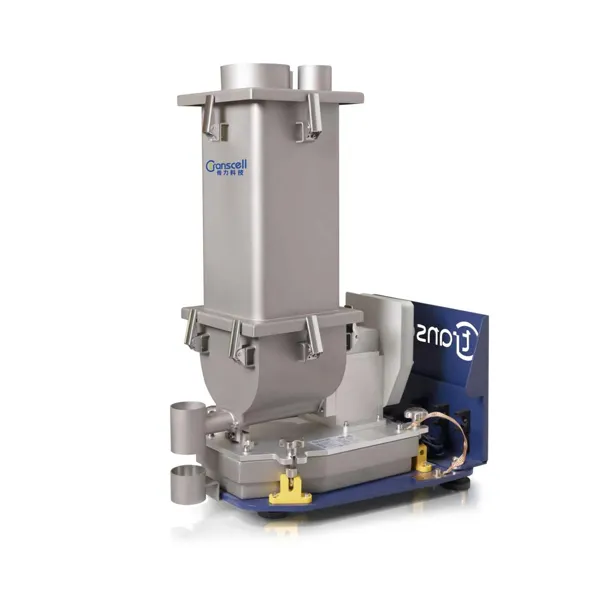
Vibrating Loss‑in‑weight Feeder | Source: Transcell Technology
Above is a brief introduction to the working process of loss-in-weight feeders and their requirements for materials. To learn more about various types of loss-in-weight feeders, as well as metering and batching solutions for solids and liquids, please contact us.
Tel: +86 519 85266918 , +86 13358173777
Changzhou Transcell Technology Co., Ltd. is a technology company integrating R&D, design, production, sales, and service. We develop professional solutions based on material characteristics, covering feeding, conveying, weighing, blending, and packaging in one integrated package. We ensure the best system performance and maximum operational benefits for our customers.
 CN
CN