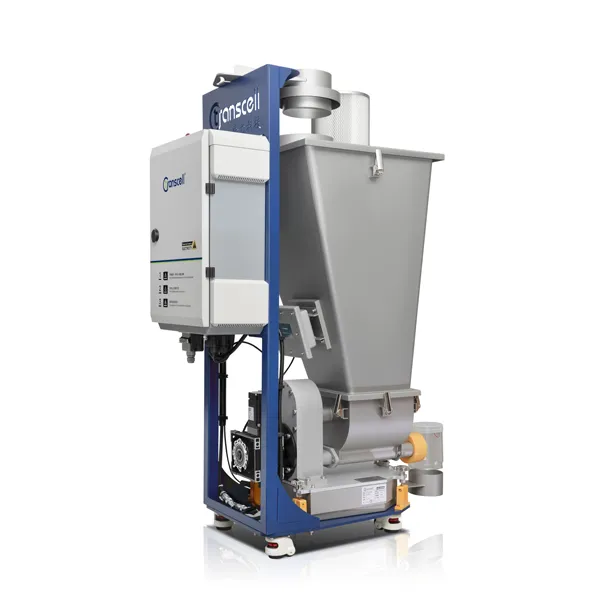
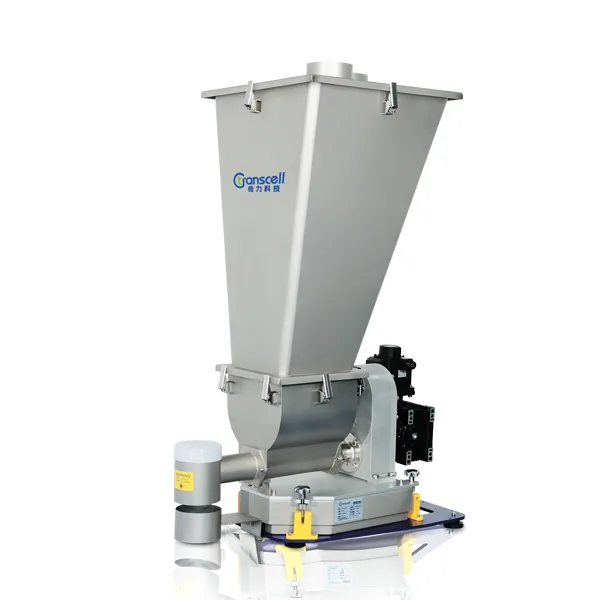
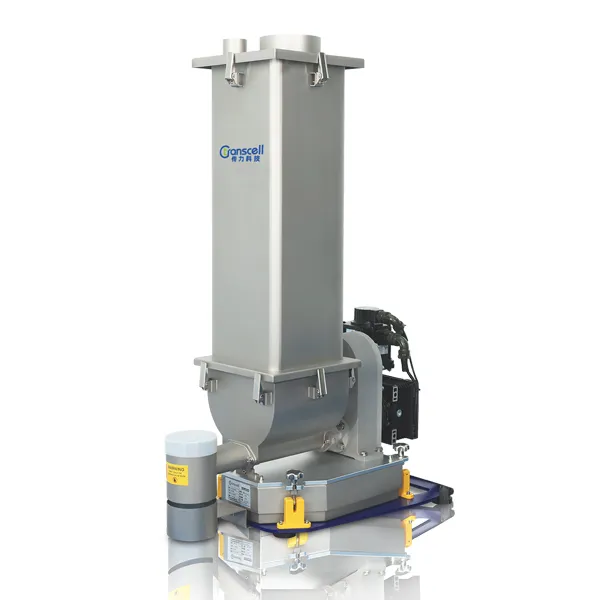
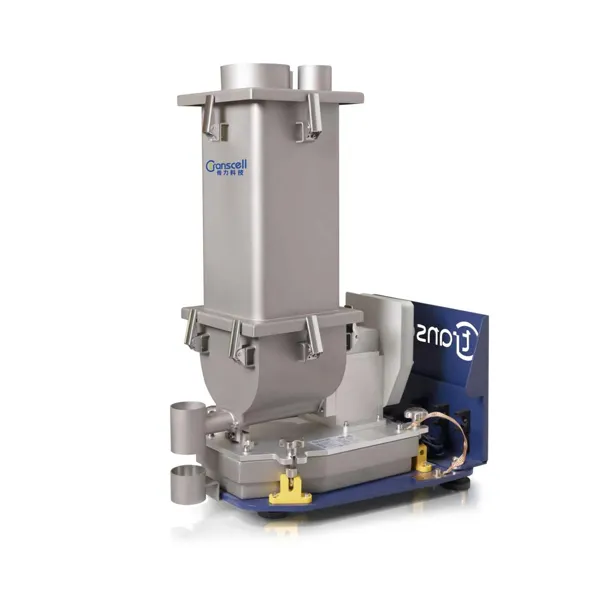
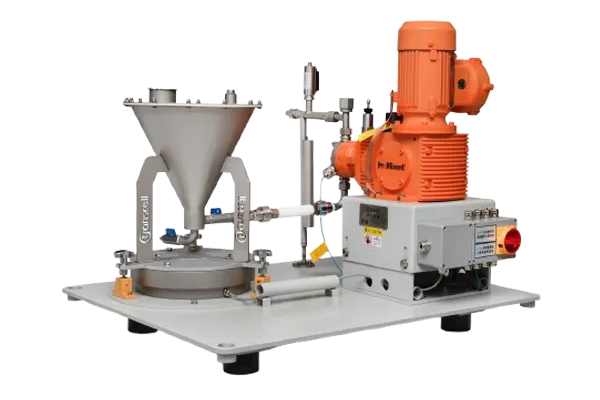
Every gram of wasted additive cuts profit. High-accuracy loss-in-weight feeding catches drift before it turns into scrap, letting producers push output higher without risking quality.
High-accuracy loss-in-weight feeding stabilizes mass flow in real time. A load cell measures weight loss continuously. The controller adjusts screw speed to hold the target rate, eliminating overdosing and underfeeding. The result is consistent quality and maximum material utilization from every kilogram.
Many lines lose material utilization to invisible dosing errors. The following sections explain why it drops, how gravimetric control fixes it, where accuracy is won or lost, and how to tune and sustain a high-utilization process.
Why Does Material Utilization Drop?
Operators often blame the extruder for material utilization loss, but the real problem is usually what goes into it. Inaccurate dosing silently steals material and creates off-spec product.
Material utilization drops when additive dosing drifts outside the target range. Overfeeding wastes expensive additives. Underfeeding causes rejects. Volumetric feeders drift with bulk density changes, and this hidden loss adds up to tons of wasted material each year.
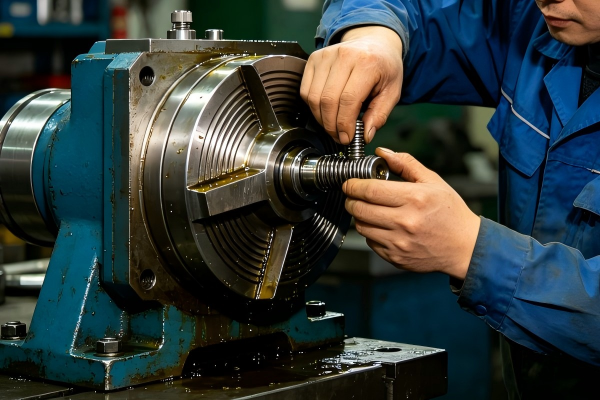
Material utilization loss builds through small, constant errors. A volumetric feeder pushes a fixed volume per screw revolution, but bulk density changes with particle size, moisture, and hopper level. The feeder cannot detect these shifts. Over a shift, a 2% overfeed of expensive masterbatch goes unnoticed. Over weeks, the numbers grow large. A line running 200 kg/h can lose nearly 100 kg of masterbatch per day to overfeed. That material goes into product that may pass inspection, but the producer pays for it and never bills for it. Underfeeding creates parts that fail quality checks—thinner walls, weak strength, or wrong color. These force the line to stop and scrap everything made since the last check. Both modes destroy yield. The root cause stays hidden because most lines lack mass flow verification at the feed point. Adding that verification is the first step to recovering lost margin.
How Does High-Accuracy Loss-in-Weight Feeding Stabilize Mass Flow in Real Time?
Many processes run blind, trusting the feeder setting without verifying output. High-accuracy loss-in-weight feeding measures every gram and corrects errors before they matter.
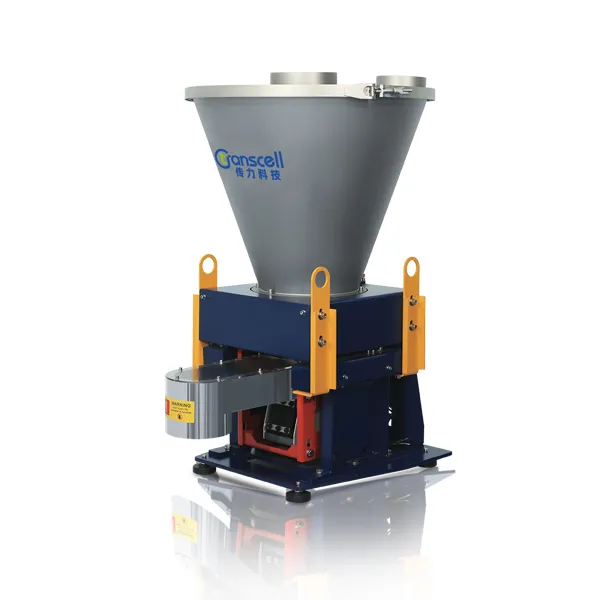
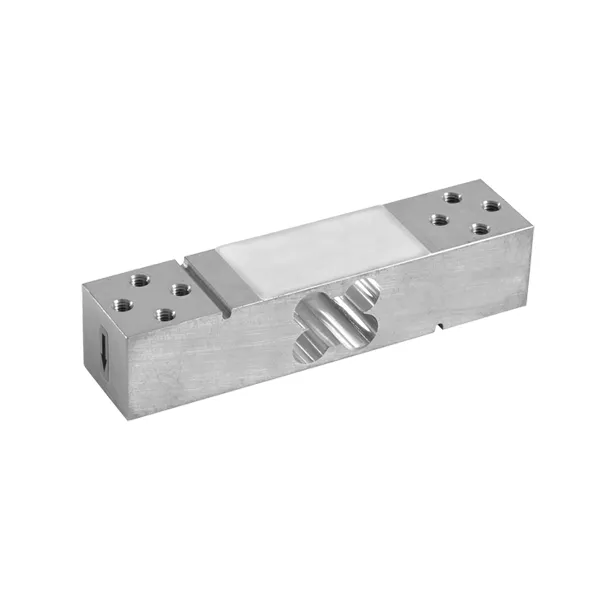
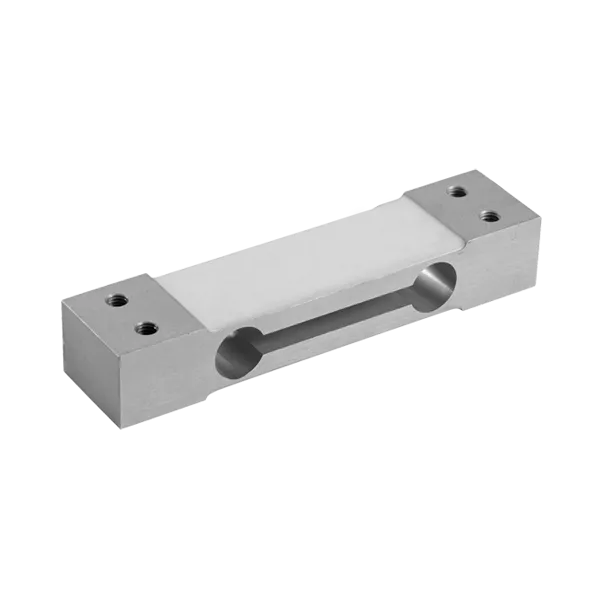
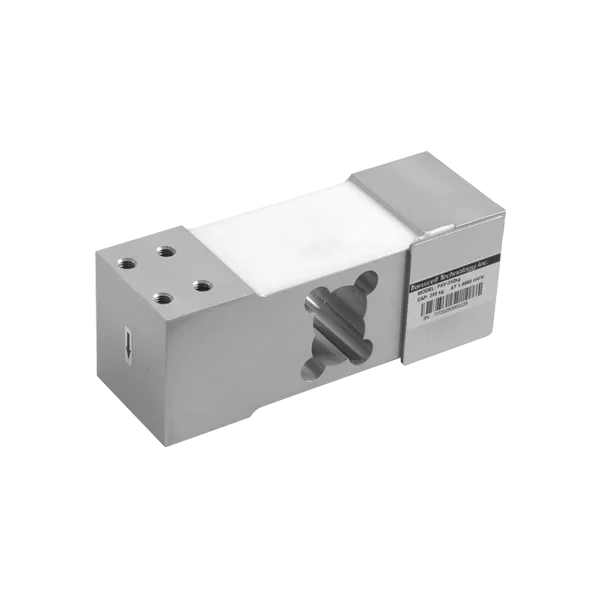
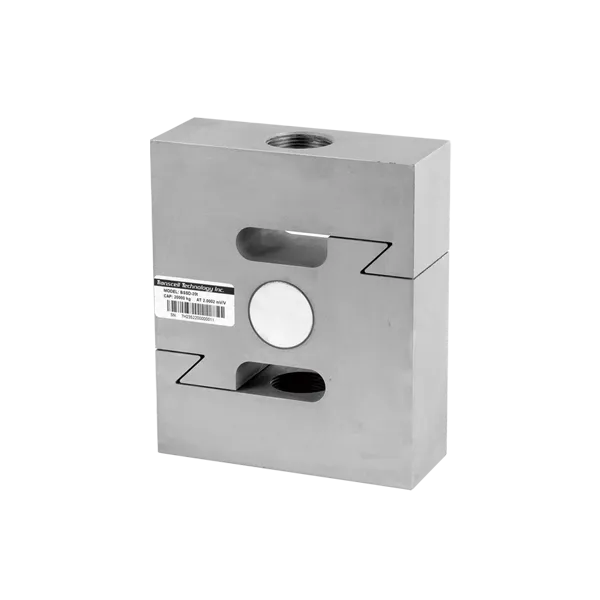
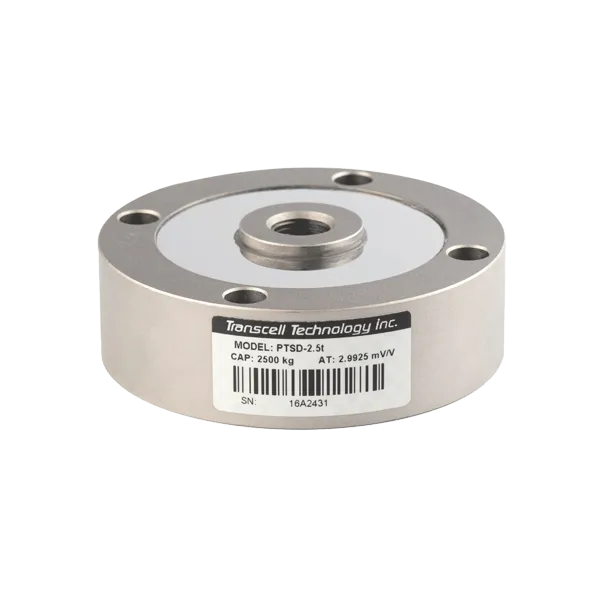
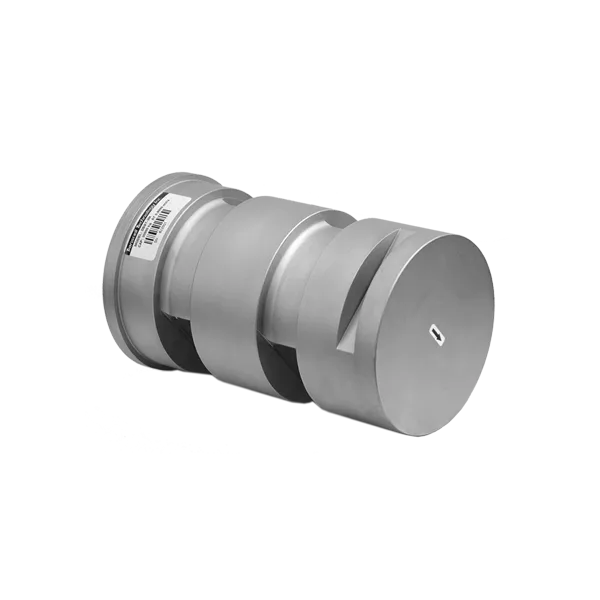
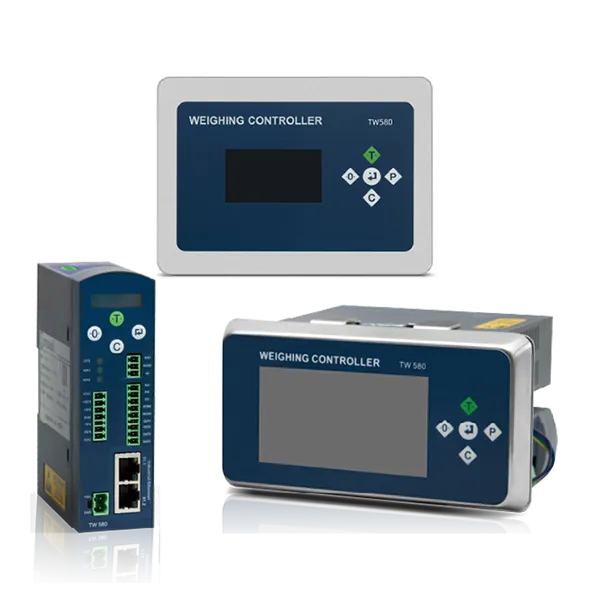
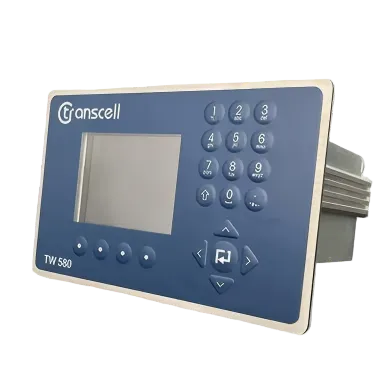
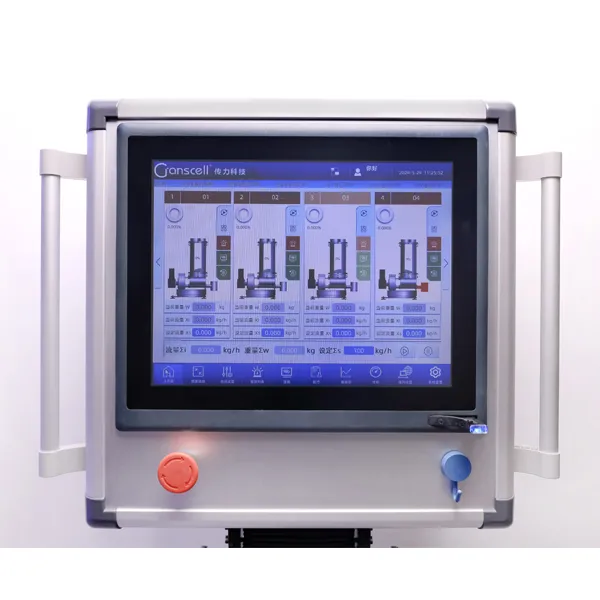
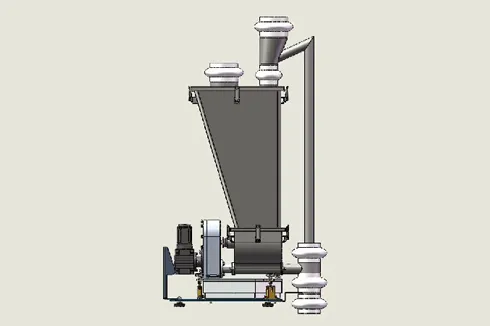
A load cell continuously weighs the hopper, material, and screw assembly. A controller calculates the mass flow rate from weight loss per second. It compares this to the setpoint and adjusts screw speed instantly, keeping material delivery constant even as bulk density or hopper level changes.
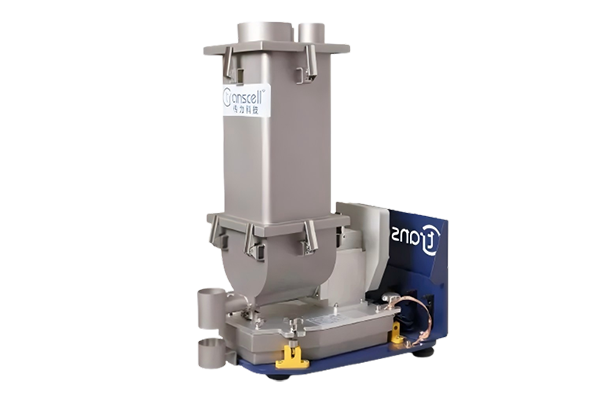
The system operates as a live mass flow meter and controller. The load cell samples total weight dozens of times each second, and advanced filters remove machine vibration to isolate the true weight signal. This clean signal shows exactly how much mass has left the feeder in the last fraction of a second. The controller uses this measured flow as its process variable. Any difference from the target triggers a motor speed change—too low raises speed, too high drops it. This correction loop runs continuously without assuming any constant condition. During hopper refill, weight jumps sharply, so the controller switches to a stored volumetric mode for a few seconds, then returns to gravimetric control without disturbing output. This stability lets operators set recipes closer to the target specification. The safety margin for drift disappears, and the line produces more in-spec product from the same input material, directly lifting material utilization.
Where Is Accuracy Won or Lost?
Feeder accuracy depends on more than the control loop. Mechanical design and installation decide whether the electronics can do their job properly.
Accuracy starts with the load cell and screw design. Poor mechanical isolation, worn screws, or wrong hopper agitation introduce errors no controller can fix. High accuracy requires clean weight signals, stiff mounting, and screws matched to the material.
| Factor | What Hurts Accuracy | What Wins Accuracy |
|---|
| Load cell placement | Vibration from nearby equipment, flexible mounting | Stiff frame, vibration isolation |
| Screw condition | Wear, buildup, wrong pitch | Material-matched screw, regular inspection |
| Hopper agitation | Over-agitation compacting material, dead zones | Gentle agitation suited to material flow |
| Refill control | Slow or inconsistent refill, air drafts | Fast refill valve, draft shield |
| Signal filtering | Excessive lag, poor noise rejection | Adaptive filtering, high sampling rate |
Accuracy is won in details many installations overlook. The load cell needs a rigid, stable platform; any flex couples extruder vibration into the weight signal, forcing the controller to slow its response. A stiff frame with dampening pads lets the loop run faster and tighter. The screw must be in good condition and matched to the material. A worn screw changes volume per revolution, and buildup creates a time-varying error. Interchangeable screws with material-specific geometry prevent these problems. Hopper agitation should move material without compacting it or leaving dead zones. The refill process is another trap: air drafts can push on the hopper and cause weight spikes. A properly sized refill valve and a draft shield keep the signal clean. Controller tuning also matters. Adaptive filtering that adjusts to signal quality offers the best balance. Each detail compounds into final system accuracy that protects material utilization.
How to Set Up and Tune for Maximum Material Utilization?
A high-accuracy feeder only delivers material utilization gains if it is set up and tuned correctly. Tuning turns potential accuracy into real kilograms saved.
Start by calibrating the load cell with a known weight. Enter the material bulk density and target throughput. Run the feeder in gravimetric mode and watch the trend. Adjust filter and PID parameters so the flow stays flat with no oscillation. Verify the refill cycle does not disturb output.
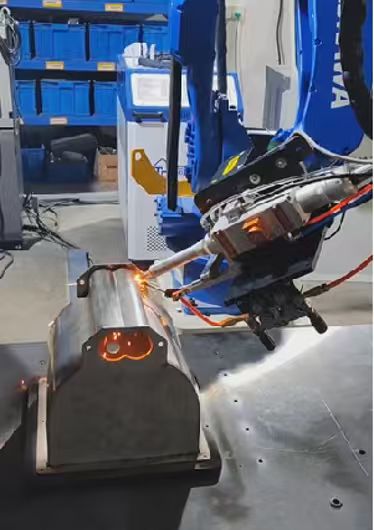
Setup begins with mechanical checks. The frame must be level and isolated. Flexible connections prevent force shunting, which happens when pipes support part of the hopper weight and steal load from the cell. Next, calibrate with a certified test weight and verify the reading. Most controllers offer auto-calibration routines. After calibration, run material into a collection container on a floor scale and compare the feeder’s totalized output. Adjust the calibration factor if needed. Tuning the control loop follows. Enter the setpoint and watch the weight trend. If flow oscillates, reduce proportional gain. If response is sluggish, increase gain. The integral term removes steady-state offset, and the derivative term damps rapid changes. Many modern controllers provide auto-tune functions that find stable parameters quickly. The refill cycle also needs attention. Set the low-weight point high enough to avoid running the screw dry, and watch the transition. A smooth handoff between gravimetric and volumetric mode confirms a good setup. A well-tuned feeder runs flat weight trend lines, meaning every gram hits the recipe target. That is maximum material utilization.
How to Sustain Results?
Good setup degrades without care. Regular checks keep the feeder at peak accuracy and protect material utilization gains over months and years.
Sustain results with a simple weekly routine. Check the load cell for debris and damage. Inspect the screw for wear and buildup. Verify calibration with a test weight. Review weight trend data for drift or noise. Clean the hopper and agitation parts. Small preventive actions stop big utilization losses.
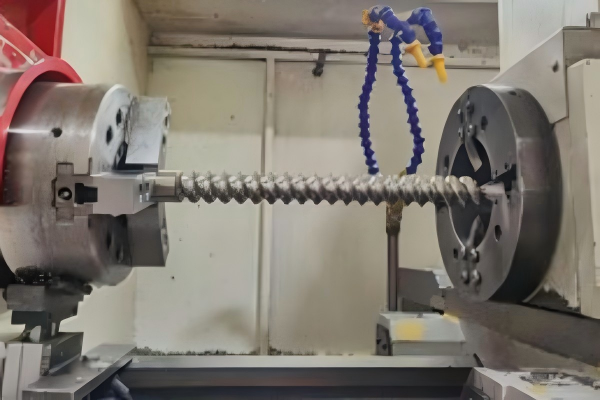
Accuracy fades slowly. Screw wear increases clearance, buildup changes volume, and load cell drift shifts calibration. A weekly check taking less than 30 minutes catches these issues early. Examine screw flights for wear or stuck material. Inspect the load cell area for spills that can harden and create force shunting. Verify calibration with a test weight. Review the controller’s logged weight trend: a gradual slope points to load cell drift, and sudden noise suggests mechanical interference. Trend data spots problems before they cause off-spec production. Adjust hopper agitation speed if a new material batch behaves differently. Keep spare screws and load cells on hand for quick swaps that restore accuracy without long downtime. Controllers that store setup parameters and trend history make it easy to compare current performance against the baseline. A plant that follows this simple routine keeps material utilization at the maximum level year after year. The cost of the checks is tiny next to the cost of lost material.
Conclusion
High-accuracy loss-in-weight feeding protects material utilization by eliminating dosing drift. Proper setup, smart tuning, and regular care turn precise control into lasting profit.
 CN
CN