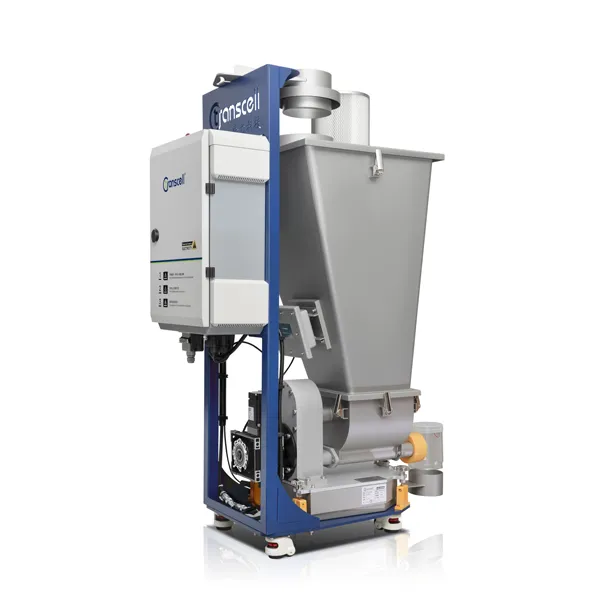
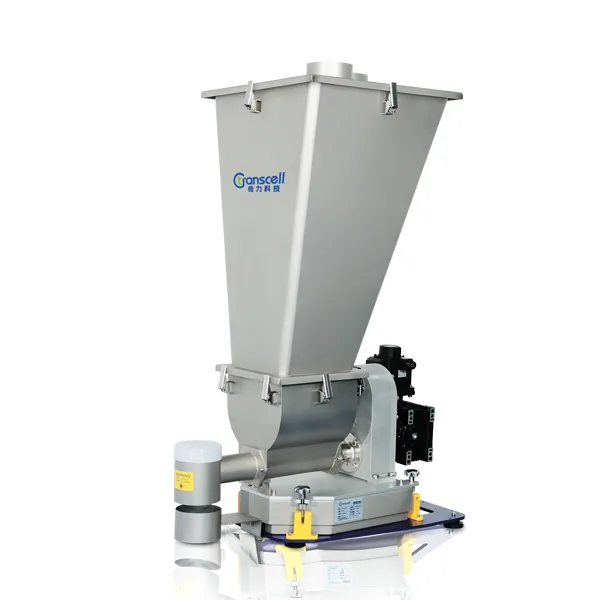
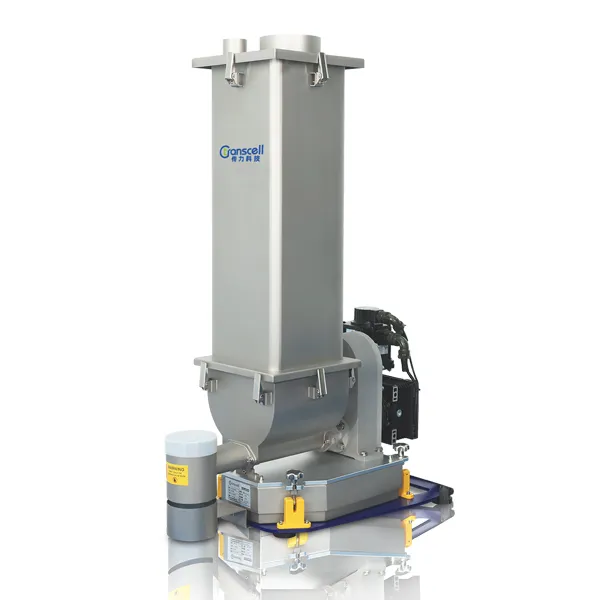
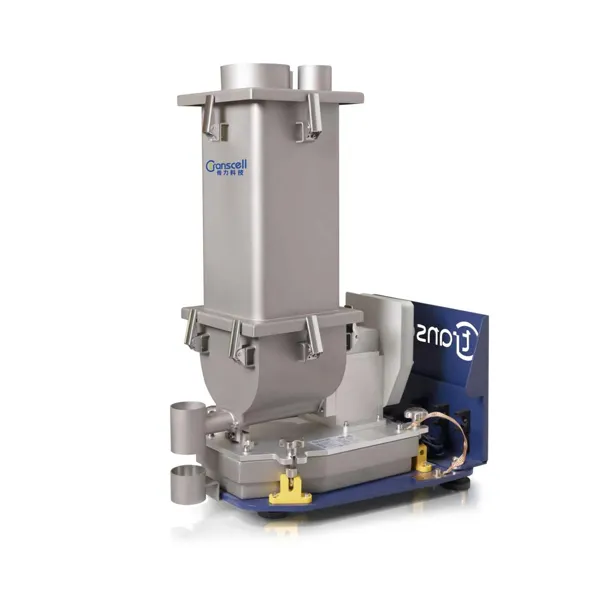
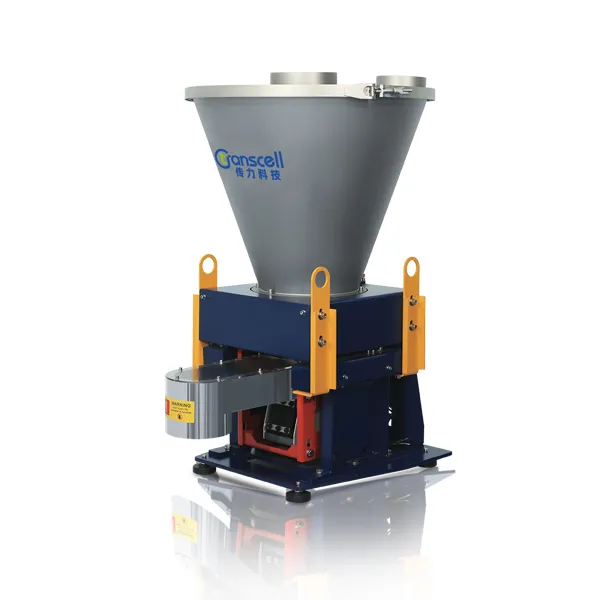
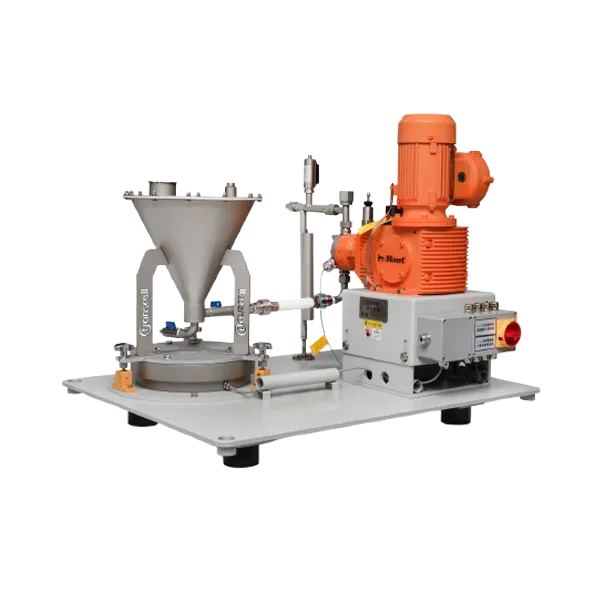
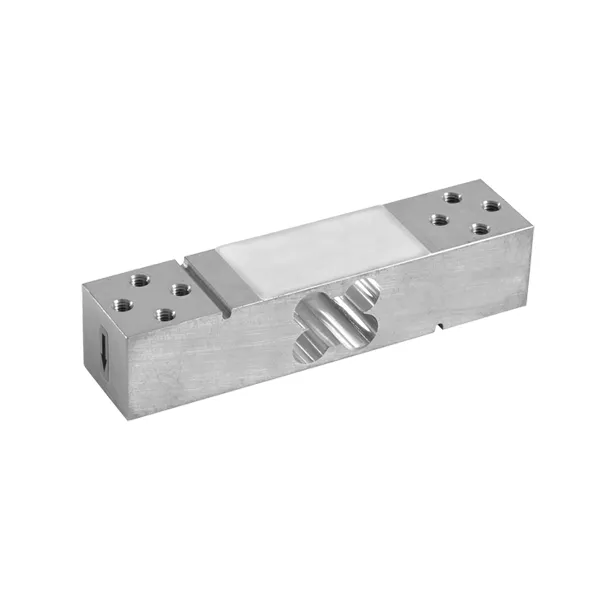
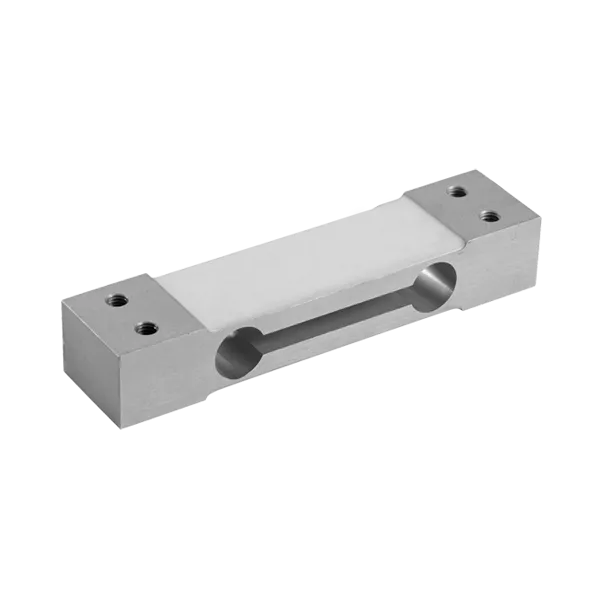
Loss-in-weight feeder accuracy is determined by the complete interaction between weighing technology, mechanical design, material behavior, and control algorithms. A high-resolution load cell alone does not guarantee accurate feeding performance. The real accuracy of a gravimetric feeding system depends on how effectively the feeder measures weight loss, responds to material variations, and maintains a stable mass flow rate during continuous operation.
In industrial production environments, feeding accuracy directly affects product quality, formulation consistency, and raw material efficiency. Small dosing errors in applications such as polymer compounding, chemical blending, food processing, pharmaceuticals, and advanced materials can create significant quality problems over long production cycles.
Transcell Group designs advanced weighing and feeding solutions focused on achieving stable gravimetric performance. By integrating precision measurement technology with intelligent control systems, Transcell helps manufacturers improve process repeatability and maintain consistent feeding results under demanding industrial conditions.
What Determines Loss-in-Weight Feeder Accuracy?
The accuracy of a loss-in-weight feeder is influenced by several interconnected factors:
| Accuracy Factor | Influence on Feeding Performance |
|---|
| Load cell resolution | Determines the smallest detectable weight change |
| Mechanical stability | Prevents vibration and external interference |
| Feeding mechanism | Controls material discharge consistency |
| Control algorithm | Adjusts feeding speed according to real-time data |
| Material characteristics | Affects flow behavior and stability |
| Calibration method | Ensures measurement reliability |
| Refill strategy | Prevents temporary feeding fluctuations |
A feeder with excellent hardware performance can still produce unstable results if the mechanical system, material handling design, or control parameters are not properly optimized.
How Does a Loss-in-Weight Feeder Measure Accuracy?
A loss-in-weight feeder operates based on continuous weight measurement.
The system typically includes:
A weighing hopper
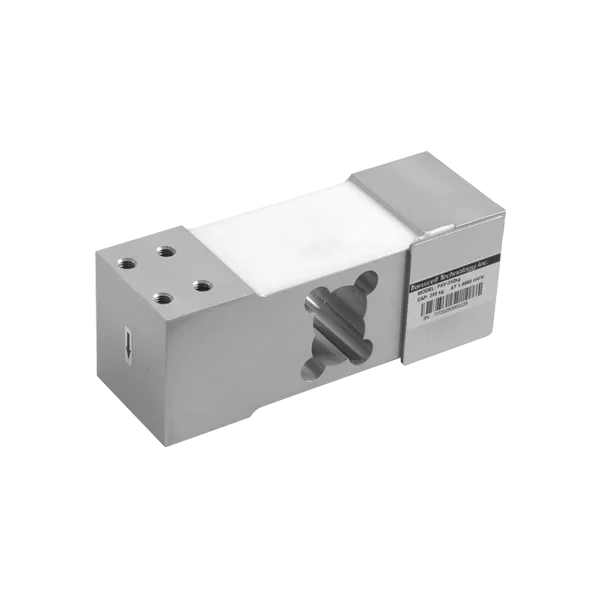
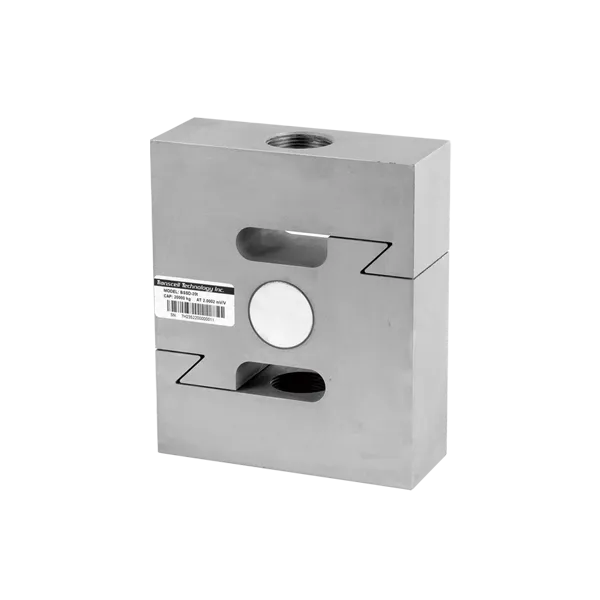
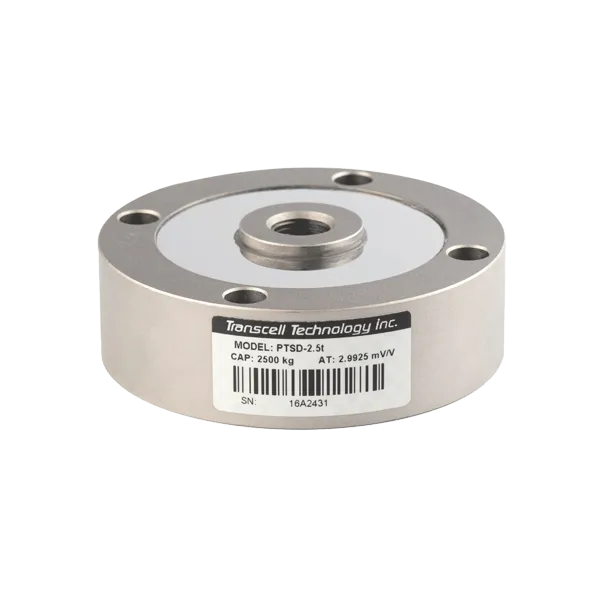
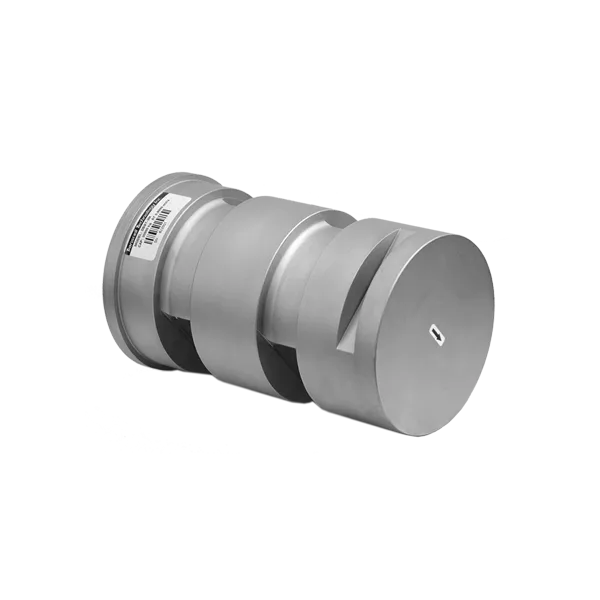
Load cells
Feeding mechanism
Drive motor
Control unit
Data processing software
During operation, the feeder continuously measures the reduction in material weight over time.
The controller calculates:
Weight loss ÷ Time = Actual feeding rate
If the measured feeding rate differs from the target value, the system automatically adjusts the feeder speed.
This closed-loop control allows the feeder to compensate for changes such as:
Unlike volumetric systems, gravimetric feeding does not assume that each mechanical movement delivers the same material quantity.
Why Is Load Cell Performance Important for Feeding Accuracy?
The load cell is one of the most important components in a gravimetric feeding system because it provides the measurement signal used for all control decisions.
Resolution and Sensitivity
A high-quality load cell must detect small weight changes while maintaining stable output.
Important characteristics include:
High signal resolution
Low measurement noise
Fast response time
Long-term stability
For low feeding rates, even a small measurement error can significantly influence final accuracy.
For example:
A feeder delivering several kilograms per hour requires different measurement sensitivity compared with a feeder delivering only a few grams per minute.
How Does Mechanical Design Affect Loss-in-Weight Feeder Accuracy?
Many feeding accuracy problems originate from mechanical factors rather than electronic measurement.
Important mechanical considerations include:
Vibration Control
External vibration can affect weight measurement by creating unstable signals.
Possible vibration sources include:
Nearby motors
Conveyors
Pumps
Production machinery
A professional installation should isolate the weighing structure from unnecessary mechanical interference.
Rigid Structure Design
The feeder frame must maintain stability during continuous operation.
Mechanical movement can create:
Material Contact Design
The internal structure must allow smooth material movement.
Poor design may cause:
Material buildup
Irregular discharge
Sudden flow changes
How Does the Feeding Mechanism Influence Gravimetric Performance?
The feeding mechanism directly controls how material leaves the hopper.
Different materials require different solutions.
| Feeding Mechanism | Suitable Materials | Accuracy Considerations |
|---|
| Single screw feeder | Pellets, free-flowing powders | Stable and economical |
| Twin screw feeder | Cohesive powders, additives | Better flow consistency |
| Vibratory feeder | Fragile or irregular materials | Gentle material handling |
| Liquid pump feeder | Liquids and viscous materials | Requires pump control optimization |
A properly selected feeding mechanism reduces variation before the control system needs to make corrections.
Why Is Control Algorithm Performance Critical?
Modern gravimetric feeding systems rely heavily on software algorithms.
The controller must continuously analyze:
Weight signal changes
Feeding speed
Target flow rate
Material behavior
Refill conditions
A sophisticated control system can distinguish between:
Normal feeding variation
Temporary disturbances
Material flow problems
This prevents unnecessary speed adjustments that may create additional instability.
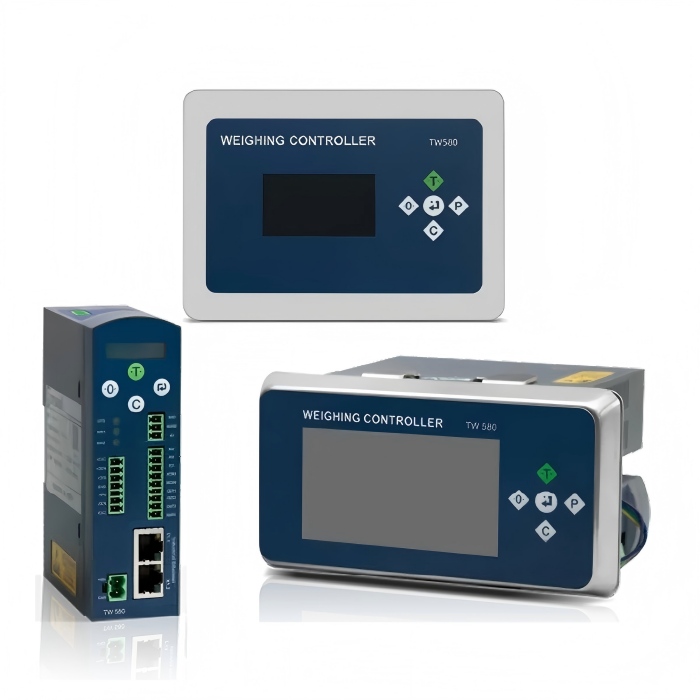
Transcell Group integrates advanced control technologies into industrial weighing applications to improve response speed and feeding consistency.
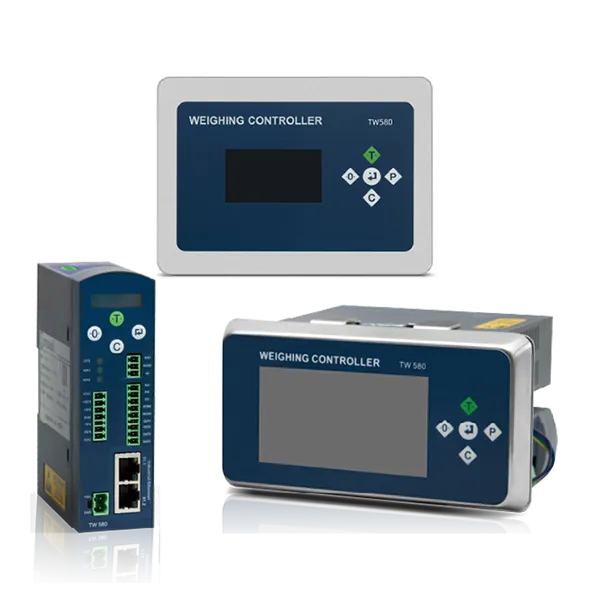
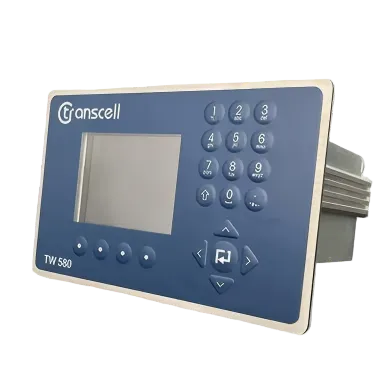
For applications requiring automated process management, an automation weighing controller provides the control foundation required for accurate measurement, data processing, and system communication.
What Is the Difference Between Accuracy and Repeatability in Loss-in-Weight Feeding?
Accuracy and repeatability are often confused, but they describe different performance characteristics.
Accuracy
Accuracy refers to how close the actual feeding rate is to the target value.
Example:
Target:
100 kg/hour
Actual:
99.8 kg/hour
The system has high accuracy.
Repeatability
Repeatability describes whether the feeder produces the same result under the same conditions repeatedly.
Example:
Production runs:
100.1 kg/hour
100.0 kg/hour
99.9 kg/hour
The system demonstrates strong repeatability.
A reliable industrial feeder requires both.
High repeatability without accuracy means the system consistently produces the wrong result.
High accuracy without repeatability means performance may be unstable.
How Does Material Behavior Affect Feeding Accuracy?
Material characteristics are one of the most overlooked factors affecting feeder performance.
Important properties include:
Bulk Density Variation
Materials with changing density can create inconsistent feeding if the system is not gravimetric.
Examples:
Different pellet sizes
Powder compaction
Moisture absorption
Flowability
Poor-flowing materials may cause:
Bridging
Channeling
Irregular discharge
Particle Size Distribution
Different particle sizes may separate during storage and transportation.
This creates inconsistent material composition and feeding behavior.
How Does Calibration Affect Loss-in-Weight Feeder Accuracy?
Calibration is one of the most important procedures for maintaining long-term feeding accuracy. Even a high-performance loss-in-weight feeder requires regular verification because operating conditions can change over time.
Factors that may influence calibration include:
Material characteristics
Mechanical wear
Temperature variation
Installation conditions
Load cell performance
Production environment
A complete calibration process typically includes:
Weight calibration
Ensuring the load cell measurement corresponds accurately to the actual material weight.
Feeding rate calibration
Comparing the actual material output with the target feeding rate.
System parameter optimization
Adjusting control parameters according to real production behavior.
Poor calibration can lead to:
Incorrect material ratios
Increased raw material consumption
Product quality variation
Unstable process conditions
For industries requiring strict formulation control, calibration should be considered part of routine process management rather than occasional maintenance.
Why Does Refill Operation Affect Feeding Accuracy?
Loss-in-weight feeders operate by continuously measuring material weight reduction. However, during automatic refill, additional material enters the weighing hopper and temporarily affects the measurement signal.
This creates one of the biggest challenges in continuous gravimetric feeding.
Common Refill Problems
Excessive Refill Volume
Adding too much material during refill can create:
Poor Refill Timing
If refill occurs too frequently, the feeder may spend too much time recovering instead of maintaining stable feeding.
Incorrect Refill Control
A well-designed system should manage:
Refill timing
Refill quantity
Stabilization period
Advanced systems use control algorithms to compensate for refill disturbances and maintain continuous output.
How Can Manufacturers Improve Loss-in-Weight Feeder Accuracy?
Improving feeding accuracy requires optimization of the entire system rather than upgrading only one component.
1. Select the Correct Feeder Design
The feeder mechanism must match the material.
Examples:
Fine powders may require specialized screw designs.
Fragile materials may require gentle vibration-based handling.
Liquids may require integrated pump control.
Incorrect feeder selection is one of the main causes of unstable performance.
2. Optimize Installation Conditions
Even the best feeder can lose accuracy if installation conditions are unsuitable.
Important installation considerations include:
Stable mounting structure
Proper electrical grounding
Protection from external vibration
Correct material supply arrangement
The weighing system should operate in an environment where external interference is minimized.
3. Use Advanced Weighing and Control Systems
Modern production environments increasingly require integration between feeding equipment and factory automation systems.
Industrial customers often need:
Transcell Group provides industrial weighing solutions designed for automated production environments.
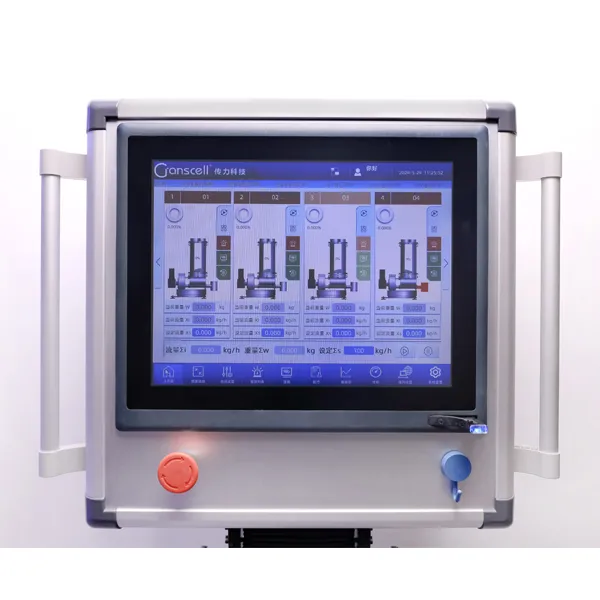
For applications requiring multiple weighing points, production monitoring, and process integration, industrial weighing systems provide the foundation for reliable measurement and automated material management.
What Are the Most Common Causes of Loss-in-Weight Feeder Accuracy Problems?
When a feeder does not achieve expected accuracy, engineers should evaluate several possible causes.
| Problem | Possible Cause | Recommended Solution |
|---|
| Feeding rate fluctuation | Material bridging | Improve hopper design or add agitation |
| Incorrect output rate | Calibration error | Perform weight and flow calibration |
| Slow response | Incorrect control parameters | Optimize controller settings |
| unstable measurement | External vibration | Improve mechanical isolation |
| Periodic variation | Refill disturbance | Adjust refill strategy |
| Poor repeatability | Material inconsistency | Review material preparation process |
A systematic troubleshooting approach is more effective than simply increasing motor speed or changing operating parameters.
How Do Automation Systems Improve Gravimetric Feeding Performance?
Industrial production is becoming increasingly connected, and feeding systems are now integrated into broader automation environments.
Modern automated feeding solutions can provide:
An automated weighing system can help manufacturers maintain consistent operation across multiple production lines while reducing manual intervention.
Integration with:
allows feeding data to become part of overall production management.
Application Examples of High-Accuracy Loss-in-Weight Feeding
Polymer Compounding
In plastic compounding, small variations in additive dosing can affect:
Mechanical properties
Color consistency
Processing performance
Accurate gravimetric feeding ensures that additives are delivered according to the required formulation.
Chemical Manufacturing
Chemical processes often require precise ratios between different ingredients.
Loss-in-weight technology helps maintain:
Food Processing
Food manufacturers require:
Repeatable ingredient dosing
Hygienic equipment design
Reliable production control
Accurate feeding improves product uniformity and reduces production losses.
Pharmaceutical Production
Pharmaceutical applications require extremely high process control.
Important requirements include:
Accurate dosing
Traceability
Consistent formulation
Gravimetric feeding provides the measurement reliability required for demanding applications.
Why Choose Transcell Group for Accurate Gravimetric Feeding Solutions?
Accurate feeding performance requires more than precision hardware. It requires engineering experience in material behavior, weighing technology, and industrial automation.
Transcell Group focuses on developing customized weighing and feeding solutions for manufacturers that require:
The company supports customers by analyzing:
Material properties
Production requirements
Accuracy targets
Automation requirements
Through optimized mechanical design and advanced control technology, Transcell Group helps industries achieve more efficient and consistent production processes.
Frequently Asked Questions
1. What is the typical accuracy of a loss-in-weight feeder?
The achievable accuracy depends on the material, feeder design, operating range, and installation conditions. High-quality systems can achieve very high repeatability when properly selected, calibrated, and maintained.
2. Why is my loss-in-weight feeder accurate during testing but unstable in production?
Laboratory testing conditions may differ from actual production environments.
Possible reasons include:
Different material conditions
Environmental vibration
Incorrect refill settings
Installation changes
Different operating speeds
Production testing should always be performed under real operating conditions.
3. Does a better load cell always improve feeder accuracy?
Not necessarily. A high-performance load cell improves measurement capability, but overall accuracy also depends on:
Feeding mechanism design
Control software
Material handling
Installation conditions
The complete system determines final performance.
4. How often should a gravimetric feeder be recalibrated?
Calibration frequency depends on application requirements and operating conditions.
Critical processes may require frequent verification, while stable production environments may require scheduled periodic checks.
5. Can a loss-in-weight feeder automatically correct feeding errors?
Yes. Modern systems continuously compare actual feeding rates with target values and adjust operating parameters automatically.
This closed-loop control is one of the main advantages of gravimetric feeding technology.
6. What information is needed before selecting a high-accuracy feeder?
Engineers should provide:
Material type
Bulk density
Feeding rate range
Required accuracy
Operating environment
Automation requirements
Cleaning requirements
This information allows the feeder design to match the real application.
Conclusion
Loss-in-weight feeder accuracy is determined by the complete interaction between weighing technology, mechanical engineering, material behavior, and control intelligence. A precise load cell alone cannot guarantee stable feeding performance. The entire system must be designed to maintain reliable mass flow under changing industrial conditions.
Key factors such as calibration, refill management, feeder mechanism selection, vibration control, and automation integration all influence gravimetric feeding performance.
For manufacturers working with demanding materials and strict production requirements, selecting an experienced technology partner is essential. Transcell Group provides customized weighing and feeding solutions designed to improve process stability, reduce material waste, and support advanced industrial automation.
External References
https://www.nist.gov/
https://www.iso.org/
https://www.instrumentationtools.com/
 CN
CN