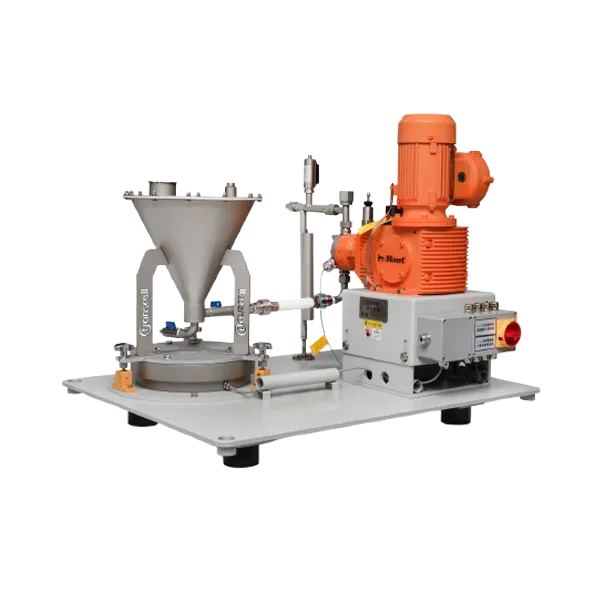
Loss-in-weight feeders are among the most important auxiliary equipment for extruders. As a relatively new metering method, they are increasingly widely used in industries such as modified plastics, chemicals, cable compounds, chemical fibers, and lithium batteries.
Many loss-in-weight feeders use screws as the feeding device because of their wide feed range. Each selected feeding device has a range of available screws with different diameters and pitches. Generally, feeder suppliers offer a series of models that can provide feed rates within normal application ranges.
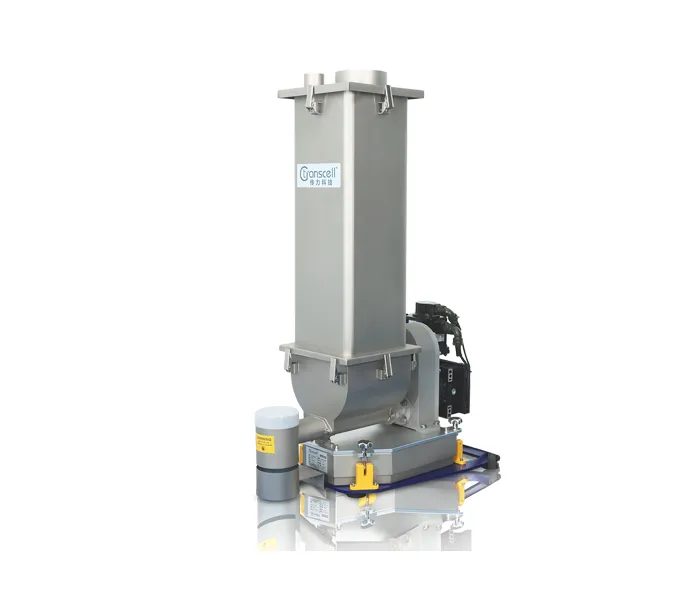
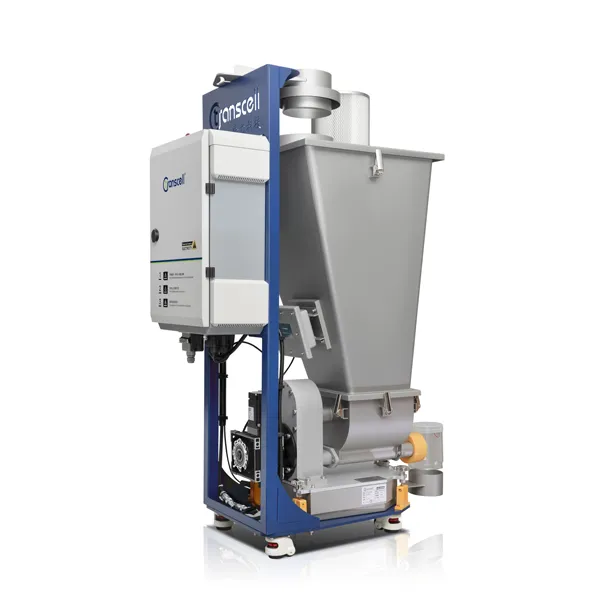
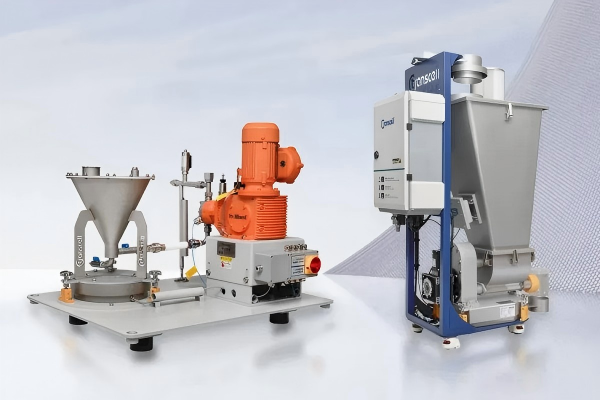
Double Screw Loss-in-weight Feeder | Source: Transcell Technology
The feeding device consists of several components. Its reliable performance begins with the selection of three key components: the screw trough, the agitation device, and the screw itself, as described below.
Screw Trough
The shape of the screw trough is critical. The main purpose of a loss-in-weight feeder is to accurately feed raw materials according to the required set weight. Weight feedback control requires that each screw flight be filled with as consistent a weight of raw material as possible. Furthermore, there must be sufficient open exposure of the screw flights at the bottom of the screw trough so that complete and repeatable filling occurs before the raw material enters the screw barrel. The best screw trough shape is wedge-shaped, rather than spherical or conical.
The screw trough is a key component of a screw loss-in-weight feeder. It converges at the upper end of the feed opening, connects to the extension hopper, and enters the screw. It transfers the raw material in the feeder from the extension hopper down to the smaller-diameter screw. Most raw materials (powders, pellets, fibers, and flakes) do not flow smoothly through a converging transition. There is friction among the raw materials and a tendency to restrict or stop flow. When flow stops, it is called "bridging."
Agitation Device
An agitation device is generally installed in the screw trough to prevent bridging. There are two common types of agitation devices:
Flexible walls: The screw trough is made of a flexible material, typically polyurethane, wedge-shaped on two sides and nearly vertical on the other two sides. Movable blades contact the two wedge-shaped sides and "knead" them, continuously pushing in and pulling out on the sides. This motion causes any formed bridge to collapse. Gravity acts on the raw material, causing it to move downward and eventually enter the screw. (Polyurethane becomes too soft when the component temperature exceeds 50°C; in such cases, a metal screw trough is required.)
Internal agitation: The screw trough is made of metal, typically stainless steel, and is bent at a constant radius to accommodate the close movement of a rotating, agitating blade. The screw is located directly below the agitator blade. The agitator blade moves downward on one side of the screw trough close to the screw, and upward on the other side. This blade motion turns the material on both sides of the screw, preventing material from bridging in the screw trough.
With a properly designed agitation device, repeatable weight filling of each screw flight is achieved. Since the extension hopper is mounted directly above the screw trough, the bottom dimensions of the extension hopper are typically the same as the inlet of the screw trough. The extension hopper usually has vertical sides, so no additional agitation is required in the extension hopper – because the vertical sides do not promote bridging.
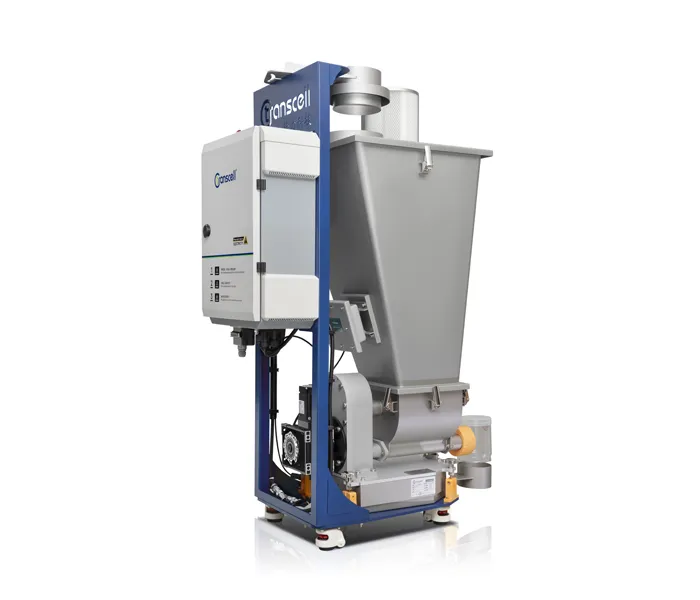
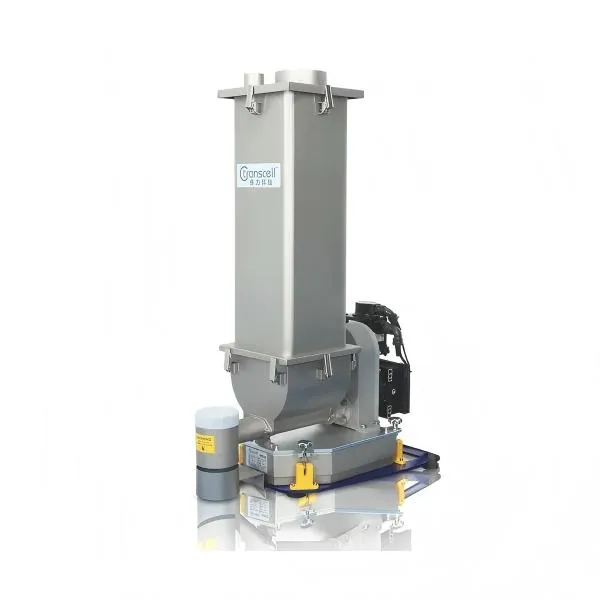
Single Screw Loss-in-weight Feeder | Source: Transcell Technology
Screw Selection
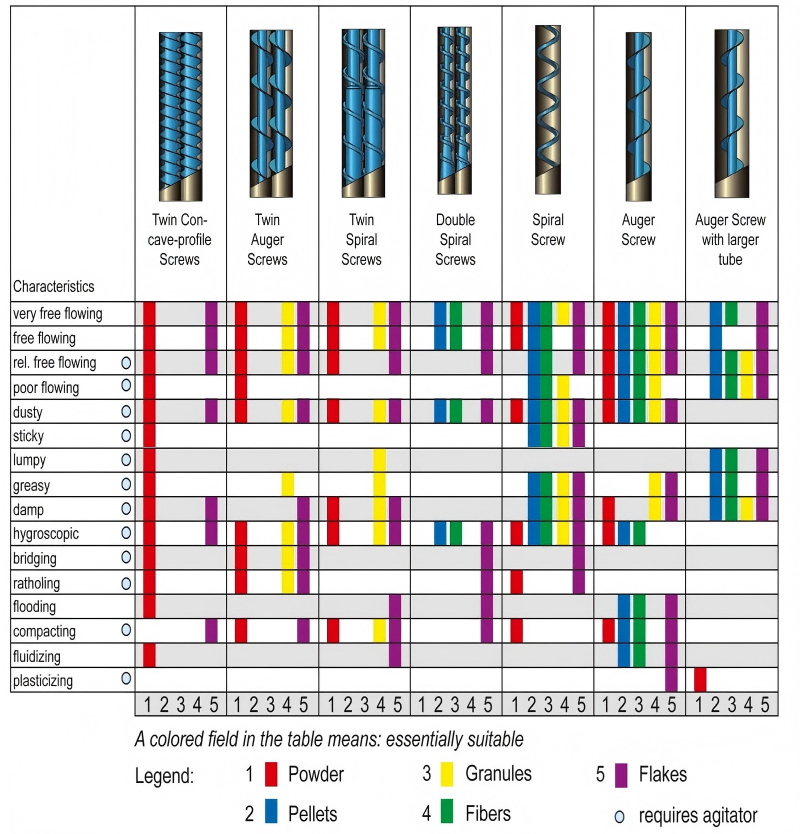
The screw is the feeder component that delivers the material. The agitation device only ensures uniform filling of the screw flights. The screw can be selected based on the maximum and minimum feed rates required. The goal is: choose a screw diameter and pitch that achieve the required feed rate at the optimal screw speed. When the screw speed is too low, "pulsing flow" may cause abnormal variations in the final product. When the screw speed is too high, incomplete screw filling may occur.
Screws are mainly divided into single screw and double screw types. Common screw types include self‑wiping screws, paddle screws, and spring screws. Different materials require the most suitable screw type to achieve the best feeding performance.
As shown in the figure below:
For the selection of screw trough, agitation device, and screw, it is necessary to understand the different types and the advantages/disadvantages of each. You are strongly encouraged to conduct product testing and material trials at our loss-in-weight feeder factory. Changzhou Transcell Technology has one of the most advanced material testing laboratories in China, with test data from thousands of materials. For unusual or difficult materials, please contact Transcell Technology to arrange a material test.
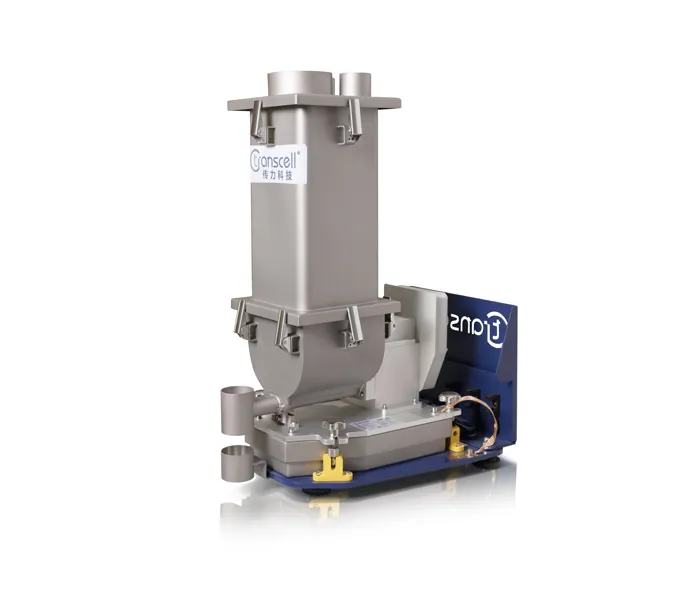
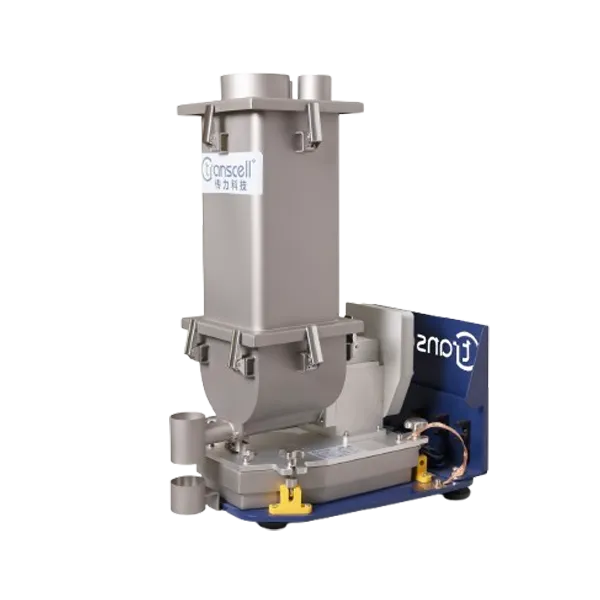
Micro Loss-in-weight Feeder | Source: Transcell Technology
Changzhou Transcell Technology Co., Ltd. is a technology company integrating R&D, design, production, sales, and service. We develop professional solutions based on material characteristics, covering feeding, conveying, weighing, blending, and packaging in one integrated package. We ensure the best system performance and maximum operational benefits for our customers.
To learn more about various loss-in-weight feeders, as well as metering and batching solutions for solids and liquids, please contact us. Tel: 051-985266918.
 CN
CN