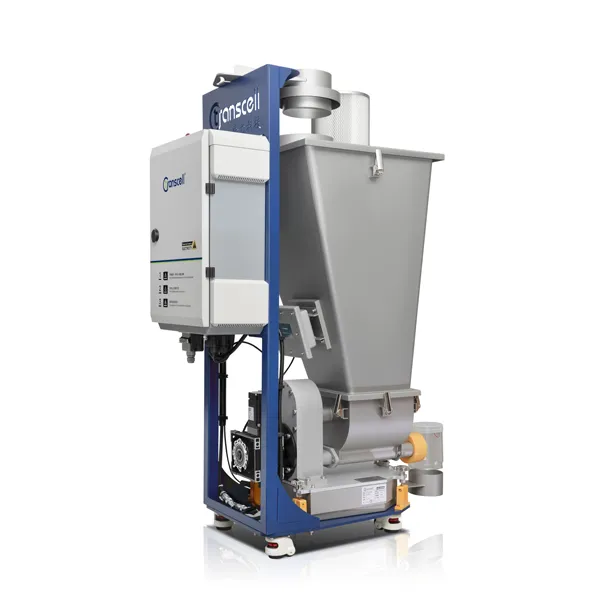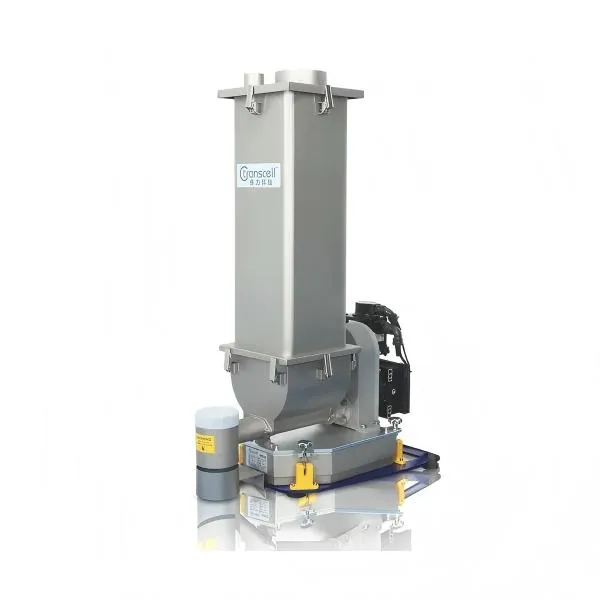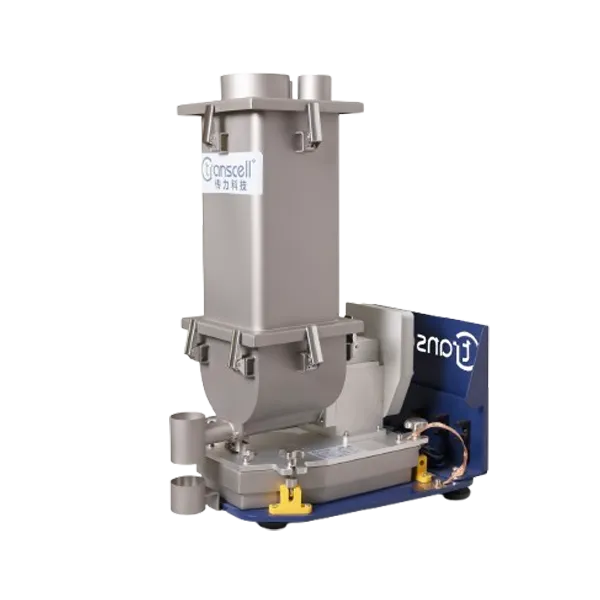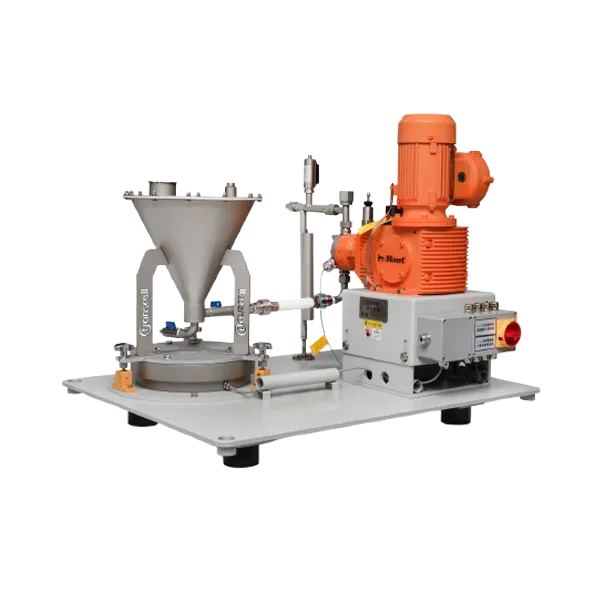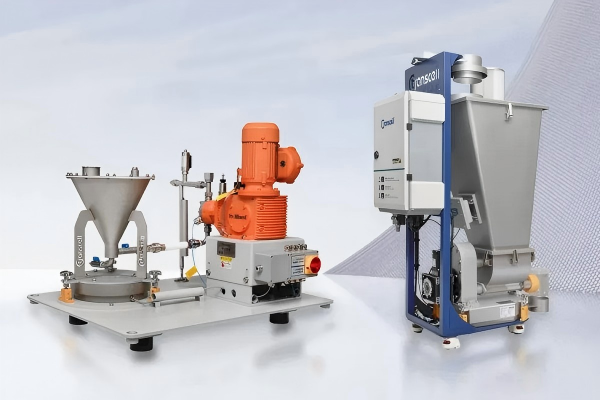
With the increasing demand for continuous and accurate metering control of materials (especially solid materials) in industrial processes, a new type of metering equipment emerged in the 1990s to meet this requirement – the loss-in-weight feeder. The loss-in-weight feeder continuously and accurately meters materials based on the weight change of the material on the scale. As a completely new metering method, it has gradually replaced traditional belt scales, screw scales, and even totalizing scales, and is now widely used in industries such as modified plastics, chemicals, cable compounds, chemical fibers, and lithium batteries.
Design Considerations for Loss-in-Weight Feeders
To improve the control accuracy of a loss-in-weight feeder, the following points should be considered during design:
Select an appropriate operating frequency. The inverter frequency is optimal between 20Hz and 40Hz. When the frequency is too low, system stability deteriorates.
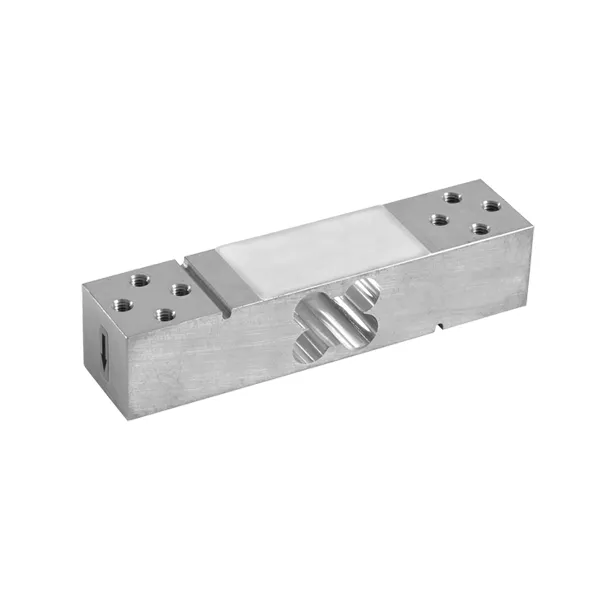
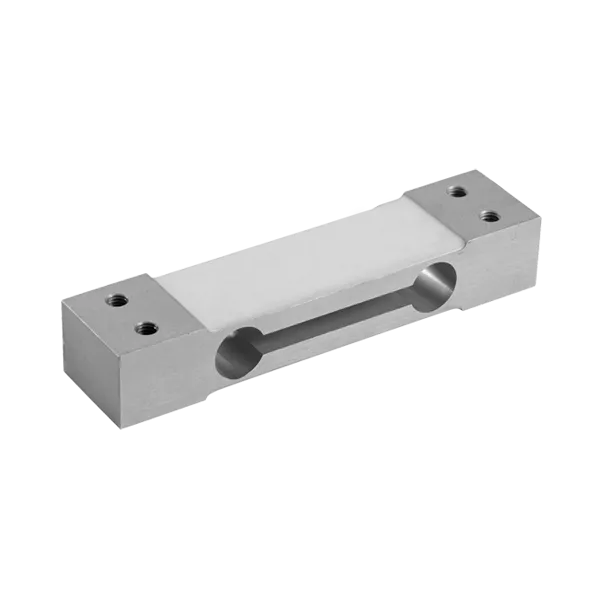
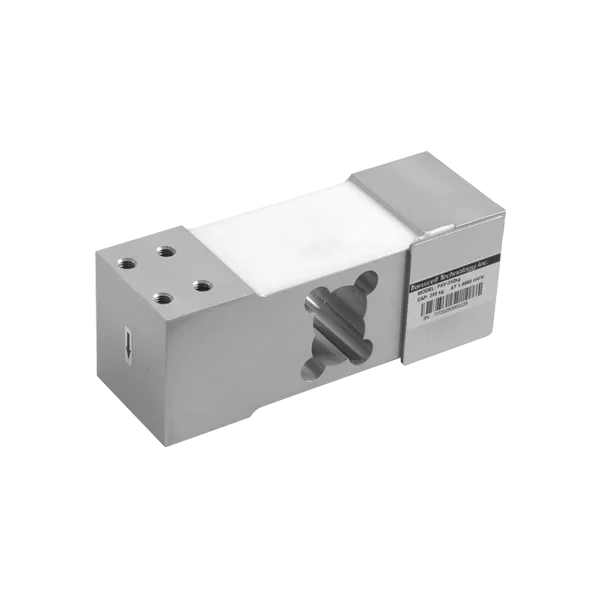
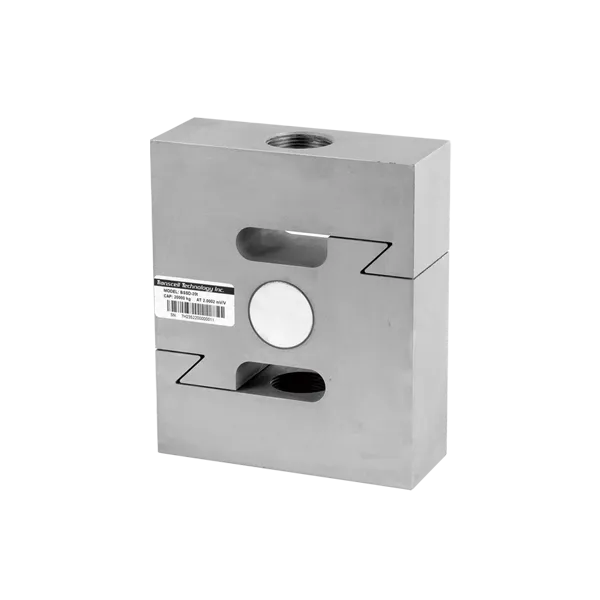
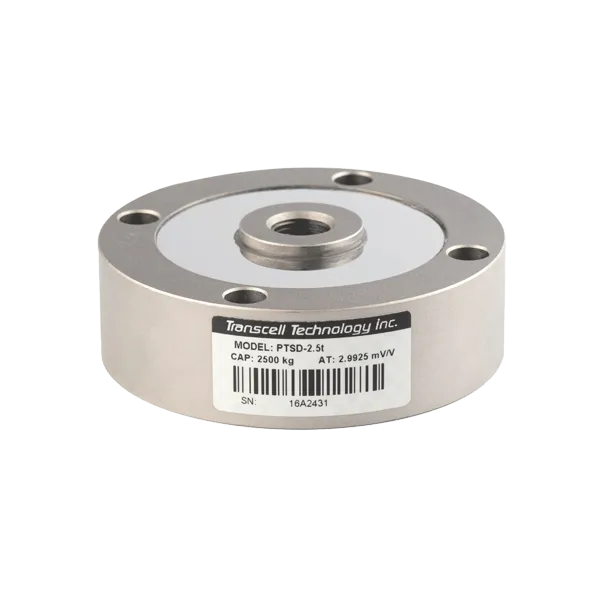
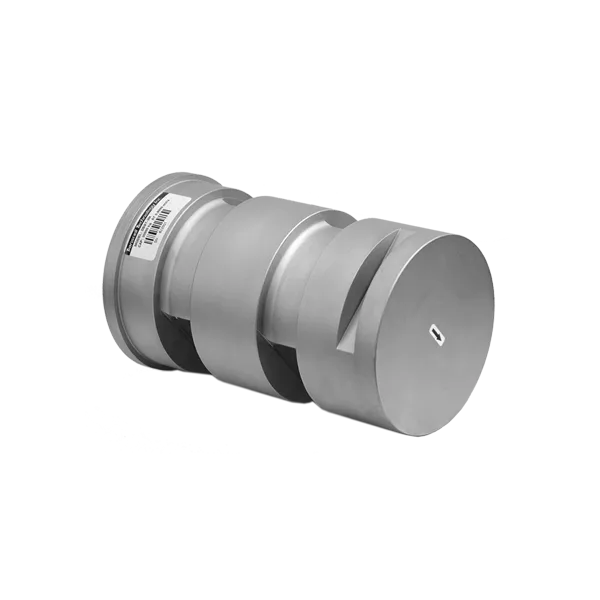
Choose a suitable load cell range. Operating at 50%–70% of the rated range provides a wide signal variation range, which helps improve control accuracy.
Design the mechanical structure to ensure good material flow, short refill time, and not overly frequent refills. Generally, refill should occur every 5 to 10 minutes.
Ensure the transmission system runs smoothly with good linearity.
Precautions During Installation and Operation
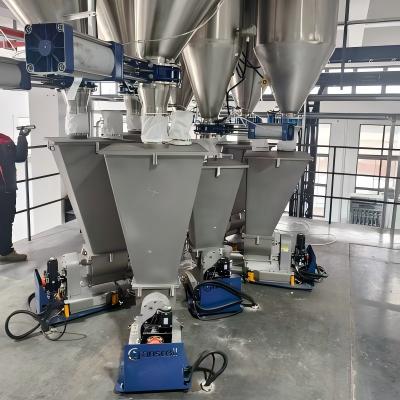
To ensure the accuracy of the loss-in-weight feeder, the following details must be observed during installation and operation:
The scale base must be firmly fixed. The load cell is an elastic deformation element, and external vibrations can interfere with it. Practical experience shows that environmental vibration is the most detrimental factor for a loss-in-weight feeder.
There should be no airflow in the environment. To achieve high weighing accuracy, the load cells are very sensitive, so any air movement or breeze can cause interference.
The upper and lower flexible connections must be light and soft to prevent interference from upstream and downstream equipment. Currently, the ideal material is smooth, soft silk-like fabric.
The connection distance between the refill hopper and the weighing hopper should be as short as possible. This is especially important for materials with high adhesion. The longer the connection distance, the more material will adhere to the pipe walls. When the accumulated material falls off, it creates a significant disturbance to the loss-in-weight feeder.
Minimize external connections to the scale. Any external weight acting on the scale body must be kept constant to reduce external forces affecting the scale.
Refill speed must be fast, so it is essential to ensure smooth material discharge during refill. For materials with poor flowability, the best solution to prevent bridging is to add a live bottom (vibrating hopper) or mechanical agitator to the refill hopper. However, vibration and agitation should not run continuously. The ideal setup is to synchronize vibration/agitation with the refill process – i.e., start and stop together with the refill valve.
The lower and upper refill limits should be set appropriately. The guiding principle is that within these two weight values, the bulk density of the material in the hopper should remain essentially consistent. This can be verified by observing changes in inverter frequency. When the bulk density is stable, the inverter frequency will show little variation. Properly setting the refill limits improves control accuracy during refill, because during the refill process the loss-in-weight feeder operates in static control. If the inverter frequency remains nearly unchanged before and after refill, the metering accuracy during refill is largely guaranteed.
Additionally, while maintaining consistent bulk density, the number of refills should be minimized – i.e., refill as much material as possible each time. These two objectives conflict and must be balanced. This is the key to ensuring accuracy during the refill process.
The refill delay time must be set appropriately. The guiding principle is to ensure that all material has actually fallen onto the scale body, and to make the delay time as short as possible. As mentioned earlier, during the refill delay period the loss-in-weight feeder operates in static control, so a shorter delay time is better. This delay time can be determined through observation: during commissioning, set a longer delay time and observe how long it takes for the total weight on the scale to stabilize (i.e., stop fluctuating and begin decreasing smoothly) after each refill. That stable point gives the appropriate refill delay time.
A loss-in-weight feeder is not just a standalone device. From design to operation, a complete solution must be tailored to the actual site conditions and production line layout.
Transcell Technology
Changzhou Transcell Technology Co., Ltd. is a technology company integrating R&D, design, production, sales, and service. We develop professional solutions based on material characteristics, covering feeding, conveying, weighing, blending, and packaging in one integrated package. We ensure the best system performance and maximum operational benefits for our customers.
To learn more about various loss-in-weight feeders, as well as metering and batching solutions for solids and liquids, please contact us.
Tel: +86 519 85266918 , +86 13358173777
 CN
CN